


Why Exploring Ancient Sites Is Often More Challenging Than It Looks
Submitted by Andy_B on Friday, 09 October 2026 Page Views: 9
Resources Ancient ruins can look deceptively easy to explore in photographs. A stone path, a hilltop temple or the remains of a centuries-old settlement may seem like a relaxed addition to a holiday itinerary. In reality, many historic sites demand much more from visitors than expected.
Uneven ground, steep approaches, sudden weather changes and long periods spent outdoors can quickly turn casual sightseeing into something surprisingly physical. Unlike modern attractions, ancient sites were rarely designed with comfortable paths, shade or convenient resting areas in mind.
Preparing properly can therefore make the difference between rushing through a visit and having enough energy to appreciate it. The right clothing, suitable footwear, realistic pacing and a little advance planning all became important when the destination itself was built centuries before modern tourism existed.
Dress for the Conditions Rather Than the Photograph
Historic sites are often exposed to the elements. Coastal ruins can be windy even on relatively mild days, while elevated locations may feel considerably cooler than nearby towns. Open archaeological areas can also offer very little shelter if conditions suddenly change.Layering is usually more practical than relying on one heavy item. A comfortable base layer combined with something warm that can be removed or added makes it easier to adapt during a long day outside. Traditional knitwear from Aran Sweater Market is one example of the kind of substantial outer layer that can suit trips where warmth and changing outdoor conditions need to be considered without making clothing unnecessarily complicated.
Visitors should also think beyond temperature. Clothing that allows easy movement is useful when climbing steps, crossing rough surfaces or navigating narrow passages. A beautiful historic location may be the reason for the trip, but comfort often determines how long someone actually wants to remain there.
Take Uneven Ground More Seriously
The paths around ancient sites can be very different from ordinary pavements. Stone surfaces may be polished by centuries of use, while loose gravel, worn steps and irregular rocks can make even short walks more demanding.Footwear is therefore one of the most important practical choices. Shoes should fit securely and provide enough support for the type of terrain expected. Even what is worn inside the shoe can affect how stable it feels during repeated climbs or long periods on foot. Products such as GainTheEdge grip socks illustrate the broader idea of reducing unwanted movement inside footwear, something that can matter when secure footing and comfort are priorities throughout an active day.
No sock or shoe can eliminate the risks created by difficult terrain, of course. Paying attention to where each step lands remains essential, particularly on worn stone, steep stairways and surfaces that become slippery after rain.
Distance Can Be Difficult to Judge
Maps can make archaeological sites appear compact. Once inside, however, visitors may discover that the main attractions are spread across a much larger area.A route that seems short on a screen can involve repeated climbs, detours and sections where the ground slows walking considerably. Large complexes may also have several points of interest separated by open land, meaning that the total distance covered during a visit can be surprisingly high.
It helps to identify the most important parts of the site before arriving. Trying to see every corner simply because it is included on a map can turn an interesting day into an endurance test.
Prioritising a few highlights also leaves more time to stop, look around and understand what is being seen rather than simply moving from one landmark to the next.
Ancient Steps Were Not Built for Modern Comfort
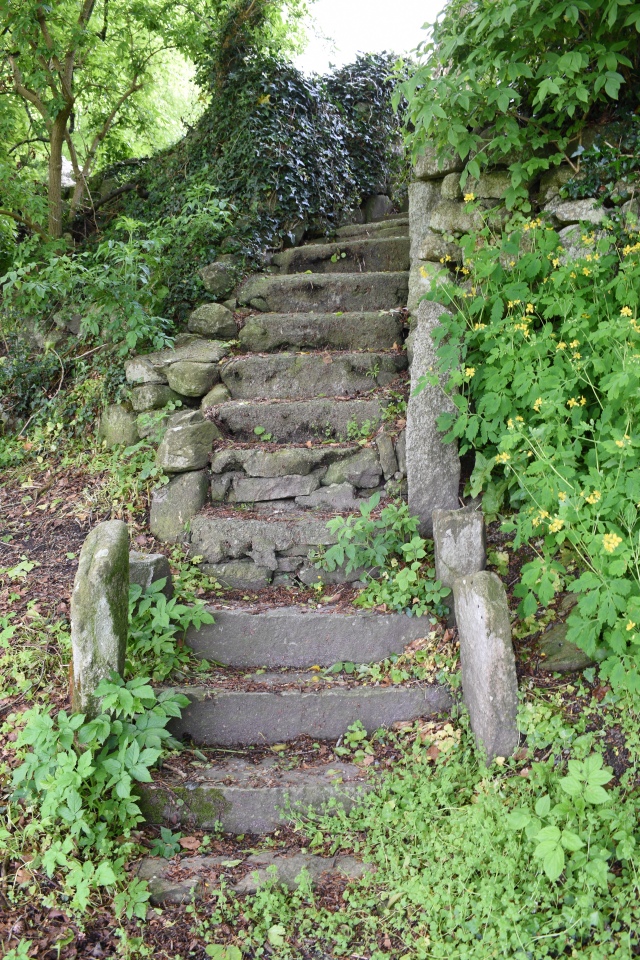
Staircases are another challenge that visitors often underestimate. Historic steps can be unusually high, narrow, uneven or worn at the edges. Some were built according to completely different expectations about movement and access.
Modern travellers who are accustomed to predictable stair dimensions may therefore find climbing them slower and more tiring than expected.
The safest approach is rarely the fastest one. Holding available handrails, allowing space between visitors and avoiding unnecessary rushing can make difficult sections more manageable. Anyone with limited mobility should also check accessibility information before travelling, since not every ancient structure can be adapted without damaging its historic character.
Heat Can Change the Entire Experience
Some ruins provide almost no natural shade. Stone structures and open ground can make warm conditions feel more intense, particularly around the middle of the day.Carrying water is an obvious precaution, but timing matters as well. Visiting earlier in the morning can make extensive walking considerably more comfortable and may also mean fewer crowds at popular locations.
A hat, sunscreen and regular breaks can prevent a sightseeing day from becoming unnecessarily exhausting. Visitors sometimes underestimate heat because they do not think of cultural tourism as physical activity, yet several hours of walking, climbing and standing outside can place considerable demands on the body.
Planning the day around conditions rather than simply around opening hours often produces a much better experience.
Crowds Create Their Own Difficulties
Popular ruins may have narrow paths, confined entrances or viewing areas that were never intended to accommodate large numbers of people.Crowds can slow movement and make challenging surfaces even harder to navigate. They can also encourage visitors to rush because others are waiting behind them.
Where possible, visiting outside peak periods can make exploration more comfortable. Arriving soon after opening or later in the day may provide more room to move carefully and spend time at significant parts of the site.
It is also worth accepting that some sections may simply be too busy to enjoy properly. Returning later, when possible, can be better than forcing the experience.
Preparation Leaves More Room for the History
The practical difficulties of exploring ancient sites should not discourage anyone from visiting them. In many cases, those challenges are part of what makes the experience memorable. Walking across original stone, climbing toward a hilltop structure or moving through the remains of an old settlement creates a much stronger sense of place than viewing the same location in photographs.The key is recognising that these visits often require more preparation than conventional sightseeing.
Comfortable clothing, secure footwear, enough water, sensible pacing and realistic expectations can remove many unnecessary distractions. Instead of spending the day thinking about sore feet, unexpected cold or exhaustion, visitors can focus on the architecture, landscape and history around them.
Ancient places were built for different people, different routines and a very different world. Exploring them today becomes far more rewarding when travellers respect both their history and the physical demands of reaching them.
