



What Archaeological Discoveries Tell Us About Hygiene in the Ancient World
Submitted by Andy_B on Thursday, 29 October 2026 Page Views: 18
Resources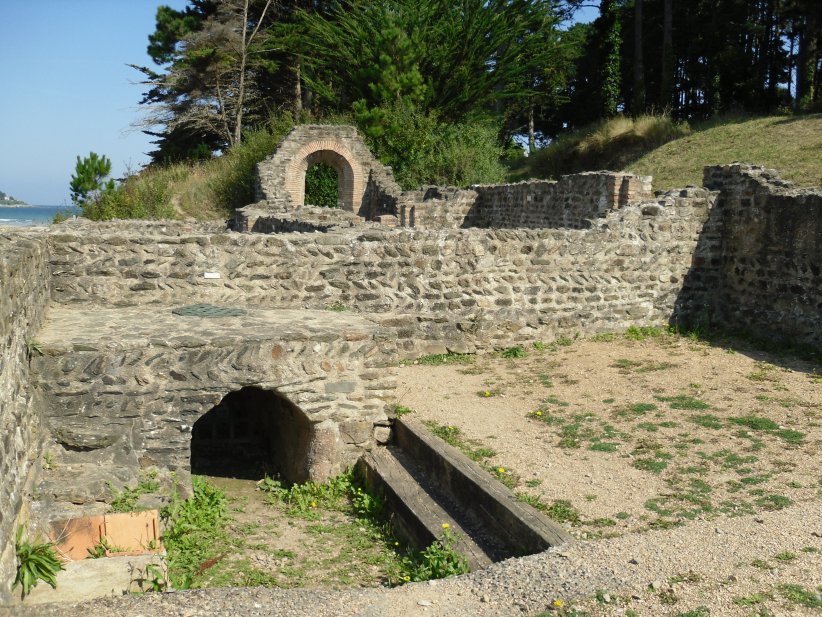
From Egyptian cosmetic containers to Roman public baths, surviving objects provide valuable evidence of how people approached everyday self-care. Excavated combs, mirrors, washing vessels, and bathing facilities reveal practices influenced by climate, social status, religious beliefs, and available resources.
These discoveries also challenge the assumption that ancient societies were universally unconcerned with hygiene. Although their understanding of health differed significantly from modern science, many communities developed elaborate routines for maintaining cleanliness and presenting themselves in public. Examining these practices offers a fascinating perspective on the relationship between personal care, culture, and daily life throughout history.
Ancient Egyptian Skincare Reveals an Early Interest in Personal Care
Archaeological excavations in Egypt have uncovered cosmetic vessels, mirrors, grooming tools, and containers associated with oils and scented preparations. These objects suggest that personal appearance and skin care were important aspects of life, particularly among wealthier households.Egypt's hot, dry climate influenced grooming practices. Oils and ointments were used to soften skin, while various cleansing preparations helped remove dirt and maintain personal comfort. Cosmetics could also carry social and religious significance.
The attention given to skin care centuries ago provides an interesting contrast with today's specialized formulations. Modern products, including those found at https://paulaschoice.com/, demonstrate how cleansing remains an essential part of personal care, now supported by increasingly detailed knowledge of skin characteristics.
Ancient Egyptian practices were different from contemporary skincare routines, but the underlying interest in cleanliness, comfort, and appearance reveals a recognizable continuity in human behavior.
Roman Bathhouses Reveal the Social Importance of Cleanliness
Few archaeological structures illustrate ancient hygiene practices as clearly as Roman bathhouses. Excavations throughout the former Roman Empire have revealed extensive bathing complexes equipped with heated rooms, pools, drainage systems, and spaces for physical activity.Public baths were more than places to wash. They functioned as social environments where visitors could meet acquaintances, discuss business, and spend time away from everyday responsibilities.
Roman bathers often used oils and curved metal instruments called strigils to scrape oil and dirt from their skin. The combination of bathing, grooming, and social interaction made bathhouses distinctive features of urban life.
Surviving facilities at places such as Bath in England and Pompeii in Italy demonstrate the engineering knowledge required to maintain these establishments.
However, archaeological evidence also reminds researchers that access to bathing facilities varied according to location, wealth, and community resources.
Ancient Greek Grooming Tools Tell Stories About Everyday Life
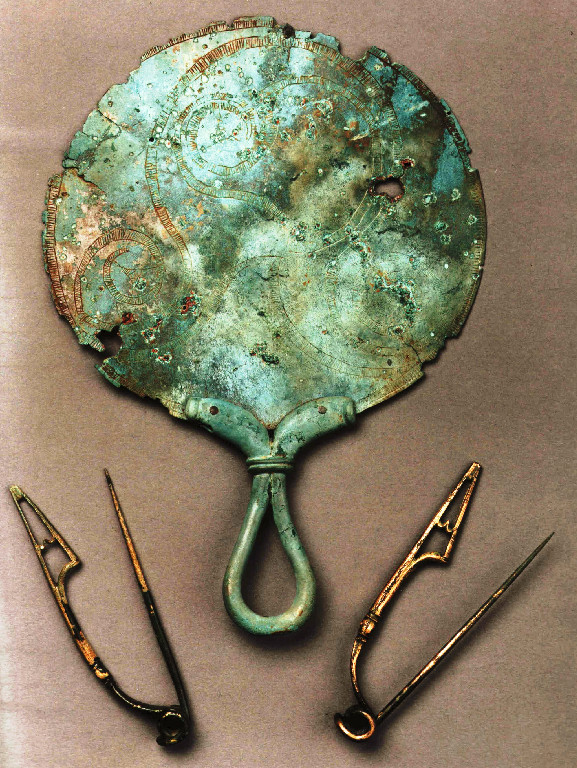
Ancient Greek archaeological sites have produced numerous objects associated with grooming and personal appearance. Bronze mirrors, combs, oil containers, and specialized vessels provide insights into everyday routines and cultural expectations.
Small ceramic containers known as aryballoi were commonly used to hold oil, particularly in athletic settings. Athletes could apply oil to their bodies before exercise and remove it afterward using strigils.
These practices reveal how cleanliness was connected with physical activity and social customs rather than treated exclusively as a private household responsibility.
Personal grooming also held importance in Greek artistic representations. Painted pottery and sculpture frequently depict carefully arranged hairstyles, clothing, and bodily presentation.
Archaeologists interpret these objects alongside written evidence to develop a fuller understanding of ancient habits. Their findings demonstrate that personal appearance reflected broader ideas about identity, status, and participation in public life.
Ancient Sanitation Systems Demonstrate Remarkable Engineering
Hygiene in the ancient world extended beyond individual grooming. Archaeological discoveries have revealed sophisticated efforts to manage water, drainage, and waste within densely populated settlements.The Indus Valley civilization provides particularly striking examples. Excavations at Mohenjo-daro and Harappa have uncovered bathing areas, drainage channels, and carefully planned urban infrastructure.
Many houses had facilities connected to drainage systems, suggesting that managing water and household waste was an important consideration in settlement design.
These discoveries challenge simplistic assumptions about technological development in antiquity. Urban sanitation was not an invention of the modern industrial world, although historical systems varied considerably in their effectiveness.
Archaeologists study these structures to understand how communities organized shared resources and addressed practical problems associated with urban living.
The surviving infrastructure provides valuable evidence of planning, engineering, and the importance placed on managing everyday domestic environments.
Combs, Mirrors, and Cosmetic Containers Reveal Personal Identity
Some of the most informative archaeological discoveries are surprisingly small. Combs, razors, mirrors, and decorative containers reveal how people maintained their appearance and expressed individual or cultural identity.Such objects have been recovered from homes, settlements, and burial contexts across different civilizations. Their materials and craftsmanship sometimes indicate the wealth or social position of their owners.
A decorated mirror might represent an expensive possession, while a simple comb could have been an everyday necessity. Both contribute to understanding the practical details of ancient life.
Burial discoveries can be particularly revealing, although objects placed in graves do not always reflect ordinary daily habits.
Researchers therefore consider archaeological context carefully when interpreting personal belongings.
These artifacts also demonstrate that grooming was not exclusively associated with one gender or social group. Practices differed across cultures, but the desire to maintain personal appearance appeared in many forms.
Archaeology Changes Our Understanding of Ancient Self-Care
Studying ancient hygiene requires more than identifying familiar objects. Archaeologists examine where artifacts were discovered, how they were manufactured, and whether surviving residues provide clues about their original contents.Scientific analysis can sometimes reveal ingredients used in cosmetic preparations or substances stored inside ancient containers. These findings help distinguish documented practices from modern assumptions.
The evidence also reveals important differences between past and present. Ancient communities lacked modern knowledge of microorganisms, and some cosmetic ingredients could be harmful despite their popularity.
Nevertheless, archaeological discoveries show that cleanliness, grooming, and bodily comfort were recurring human concerns shaped by local conditions and cultural expectations.
From Egyptian skincare vessels to Roman bathing complexes and Indus Valley drainage systems, the surviving evidence presents a remarkably varied history of personal care.
These discoveries make ancient societies feel more familiar by revealing the routines behind their monuments and achievements. They remind us that everyday activities, including washing and grooming, are valuable parts of human history, reflecting how people understood themselves and the communities around them.
