
Ancient Monuments and the Modern Challenges of Protecting Them
Submitted by Andy_B on Saturday, 31 October 2026 Page Views: 17
Resources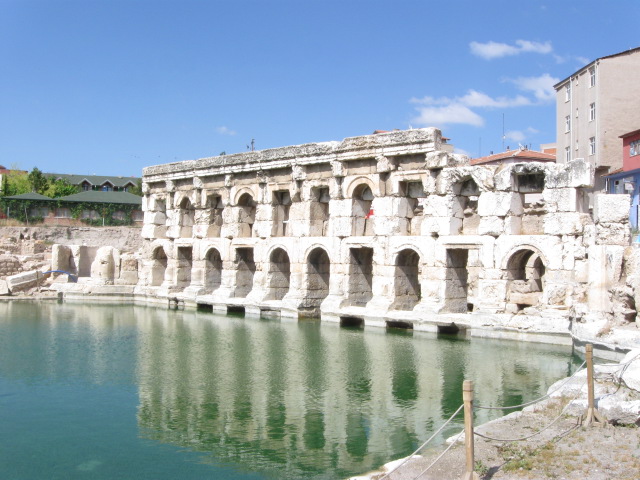
Although many monuments have survived for centuries or even thousands of years, their continued existence cannot be taken for granted. Environmental changes, urban development, tourism, and inadequate maintenance present growing challenges for archaeological preservation.
Protecting historical sites involves more than repairing damaged walls or restricting visitor access. Conservation specialists must understand the materials, construction methods, and environmental conditions that influence each monument's survival.
As modern technology creates new opportunities for preservation, archaeologists and heritage organizations face the difficult responsibility of protecting fragile structures without compromising their historical authenticity.
Water Pollution and Drainage Problems Threaten Historical Structures
Water is one of the most persistent threats to ancient monuments. Rainfall, groundwater movement, flooding, and inadequate drainage can gradually weaken foundations and damage historic building materials.Stone structures are particularly vulnerable when moisture carries dissolved salts into porous surfaces. As water evaporates, salt crystals may form within the material, contributing to cracking and surface deterioration.
Nearby urban development can introduce additional complications. Poorly managed wastewater, leaking infrastructure, and contaminated runoff may affect the surrounding soil and groundwater.
Modern environmental engineering offers useful approaches to managing these risks. Companies such as bioprocessH2O provide wastewater treatment technologies that support effective water management in contemporary facilities and communities.
While treatment equipment is not a substitute for monument conservation, improved wastewater infrastructure can contribute to healthier environments around historically significant locations.
Protecting ancient structures therefore requires cooperation between conservation specialists, engineers, environmental authorities, and local communities.
Climate Change Creates New Risks for Archaeological Heritage
Many ancient monuments were constructed under environmental conditions that differ considerably from those experienced today. Changing rainfall patterns, rising temperatures, and increasingly severe weather events can expose historical structures to unfamiliar pressures.Coastal archaeological sites face particular challenges from erosion, storm surges, and rising sea levels. Structures located near shorelines may experience foundation damage as surrounding land gradually disappears.
Inland monuments are also vulnerable. Extended droughts can affect soil stability, while intense rainfall may accelerate erosion around exposed archaeological remains.
Temperature fluctuations create additional problems when materials repeatedly expand and contract. Over time, these movements can contribute to the deterioration of stonework and mortar.
Conservation organizations increasingly monitor environmental conditions to identify emerging threats.
Although not every site faces the same risks, understanding local climate patterns is becoming an essential part of planning effective long-term preservation strategies.
Tourism Brings Economic Benefits and Preservation Challenges
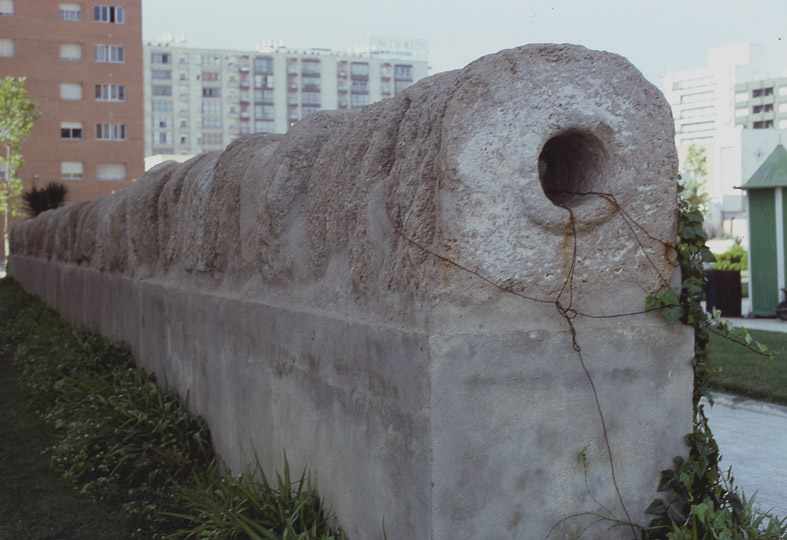 Historic monuments attract millions of visitors who want to experience places associated with ancient civilizations. Tourism can generate income for surrounding communities while supporting museums, conservation projects, and local employment.
However, large visitor numbers can also place significant pressure on fragile archaeological environments.
Repeated foot traffic may gradually wear down ancient surfaces, particularly where visitors walk across original stone steps or flooring. Touching delicate carvings and entering restricted areas can cause additional damage.
Tourism infrastructure also requires careful planning. Roads, parking areas, visitor facilities, and commercial development may affect the wider historical landscape.
Heritage managers must balance public access with conservation responsibilities.
Timed entry systems, designated walking routes, protective barriers, and educational information can help reduce unnecessary damage without preventing people from appreciating important sites.
The objective is to make historical monuments accessible while ensuring that future generations have similar opportunities to experience them.
Urban Expansion Can Destroy Archaeological Evidence
Modern cities frequently occupy locations that have supported human settlement for thousands of years. As urban areas expand, construction projects sometimes uncover archaeological remains beneath existing streets and buildings.These discoveries can include foundations, burial grounds, roads, pottery, and evidence of earlier communities.
Unfortunately, rapid development may place such remains at risk before researchers have sufficient opportunities to investigate them.
Archaeological assessments conducted before major construction projects can help identify historically significant materials. In some cases, developers and heritage authorities work together to preserve discoveries or document them before construction continues.
However, preservation decisions often involve competing priorities, including housing needs, infrastructure development, and project costs.
Protecting archaeological heritage requires recognizing that historical evidence extends beyond famous monuments. Ordinary settlements and everyday objects can reveal equally important information about the past.
Modern Technology Is Changing Monument Conservation
Technological developments have provided archaeologists with new methods for documenting and studying ancient structures. These tools can improve understanding while reducing the need for potentially damaging physical investigation.Three-dimensional laser scanning allows specialists to create detailed digital records of monuments, including their dimensions, surface features, and existing damage.
Photogrammetry uses overlapping photographs to generate accurate three-dimensional models. These records can support conservation planning and help researchers identify changes over time.
Drones also provide opportunities to examine difficult-to-reach areas, particularly large archaeological complexes and structures located in challenging terrain.
Digital documentation is especially valuable when monuments are threatened by environmental damage or natural disasters.
However, technology cannot replace experienced conservation professionals. Successful preservation still depends on interpreting historical evidence, selecting suitable materials, and understanding the consequences of physical interventions.
Protecting Historical Authenticity for Future Generations
One of the greatest challenges in monument conservation involves deciding how much restoration is appropriate. Repairing damaged structures may improve stability, but excessive reconstruction can obscure original materials and historical evidence.Conservation specialists generally aim to preserve authentic features while making necessary interventions carefully and transparently.
Traditional construction techniques can be particularly important when working with historic stonework, plaster, and mortar. Modern replacement materials are not always compatible with ancient structures and may create unexpected problems.
Local communities also play an essential role in long-term protection. Residents often possess valuable knowledge about a monument's history, cultural significance, and surrounding environment.
Educational programs and responsible heritage management can strengthen public appreciation while encouraging ongoing involvement.
Ultimately, ancient monuments are irreplaceable records of human creativity, knowledge, and cultural identity. Their survival depends on decisions made by governments, researchers, visitors, and communities today.
By combining archaeological expertise, environmental management, and responsible development, society can protect these extraordinary places while allowing their stories to remain accessible for generations to come.