

The Forgotten History of Skin Care and Healing in Ancient Civilizations
Submitted by Andy_B on Saturday, 31 October 2026 Page Views: 20
Resources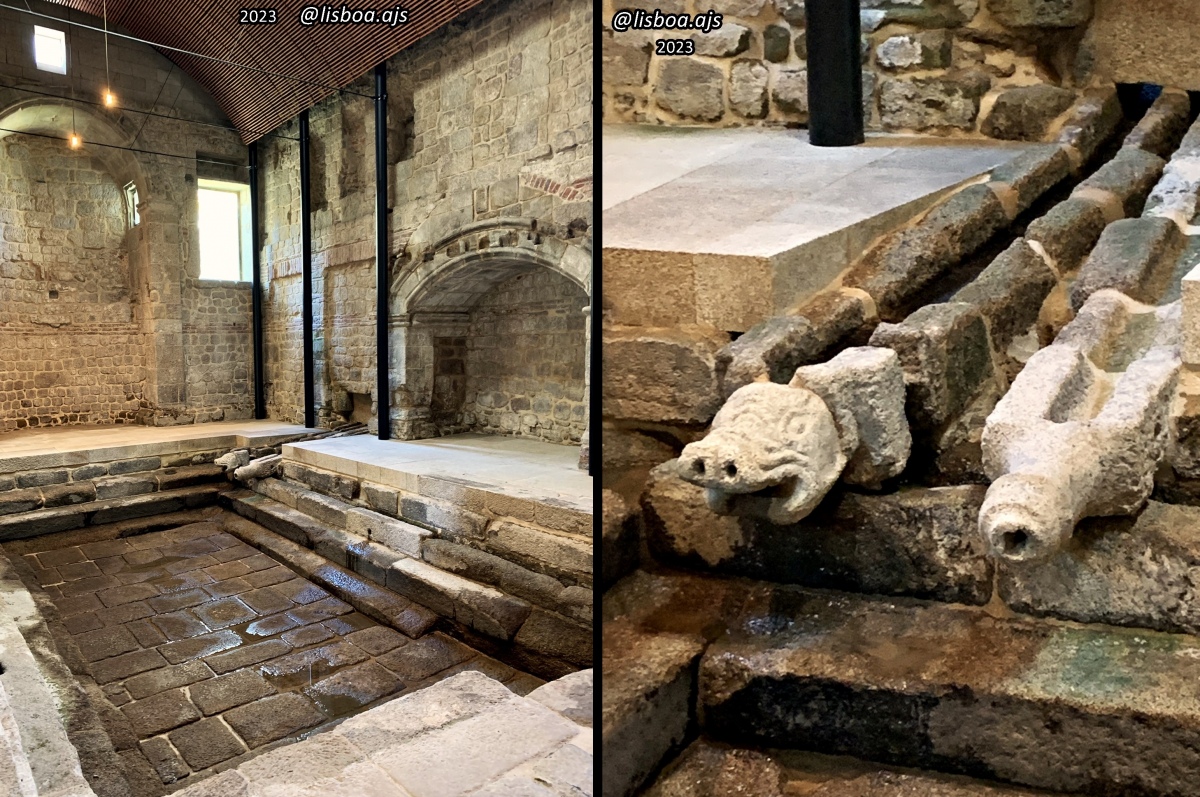
Archaeological discoveries reveal that skincare was not simply a matter of appearance. In many societies, caring for the body was associated with health, religious practices, social identity, and personal comfort. From Egyptian cosmetic preparations to Roman bathing rituals, different civilizations developed techniques that reflected their environments and understanding of the human body.
Although ancient treatments cannot be judged by modern scientific standards, their history offers a fascinating perspective on humanity's long-standing interest in skin health. Exploring these forgotten practices reveals how personal care evolved through experimentation, observation, and the exchange of knowledge between cultures.
Ancient Egypt and the Early Foundations of Skin Care
Ancient Egyptian civilization developed an extensive tradition of cosmetics and personal grooming. Archaeological excavations have uncovered containers that once held oils, ointments, perfumes, and other preparations used by different members of society.Plant oils and animal fats were commonly incorporated into skincare mixtures, particularly in a climate where heat and dry conditions could affect personal comfort. Egyptians also used mineral-based cosmetics, including eye makeup made with substances such as galena and malachite.
Their interest in minerals provides an interesting historical connection to modern research on substances involved in skin biology. Contemporary investigations into ghk-cu peptide benefits examine a naturally occurring copper-binding peptide and its potential roles in skin-related processes, although clinical evidence remains limited.
Ancient Egyptians did not possess this modern biochemical knowledge, but their use of mineral ingredients demonstrates how early civilizations explored the relationship between natural substances, appearance, and bodily care.
Mesopotamian Healing Combined Practical Knowledge With Tradition
Mesopotamia was home to some of the earliest recorded medical practices. Clay tablets from the region contain references to ingredients, preparations, and procedures used by healers thousands of years ago.Medical treatments sometimes included plant materials, oils, and mineral substances applied to different parts of the body. These practices developed alongside religious beliefs, meaning physical treatments and spiritual explanations were frequently connected.
Healers also recorded observations about symptoms and recommended preparations, contributing to an early tradition of preserving medical knowledge in written form.
Although many ancient remedies lack reliable evidence of effectiveness, these records reveal considerable attention to physical discomfort and bodily conditions.
The survival of such tablets allows historians to study how knowledge was organized and transmitted between generations. They also demonstrate that caring for the skin and treating injuries were important concerns long before modern medical institutions appeared.
Greek Physicians Connected Hygiene With Daily Health
 Pic right: Click the link to read about the role of cosmetics in Teotihuacan funerary rites
Ancient Greek approaches to personal care reflected an interest in the relationship between the body, environment, and everyday habits. Bathing, physical activity, and the use of oils were familiar elements of Greek life.
Athletes often applied olive oil before exercising and removed it afterward with curved scraping instruments known as strigils. These tools have been recovered from archaeological contexts, providing tangible evidence of ancient grooming routines.
Greek medical writers also discussed cleanliness, diet, environmental conditions, and bodily balance. Hippocratic writings emphasized observation and the influence of surroundings on human health, although their explanations differed greatly from contemporary medicine.
Olive oil occupied an especially important position because it was widely available and served numerous household purposes.
The Greek approach illustrates how hygiene could become integrated into broader ideas about physical well-being rather than being treated solely as a cosmetic concern.
Roman Bathhouses Transformed Personal Care Into a Social Experience
The Romans developed elaborate bathing facilities that became recognizable features of towns and cities throughout their empire. Public bathhouses often included heated rooms, warm bathing areas, cold pools, and spaces for exercise and conversation.These establishments relied on sophisticated engineering, including water supplies, drainage systems, and underfloor heating in some buildings.
Bathing was not exclusively about cleanliness. Visiting the baths provided opportunities to socialize, conduct informal business, and participate in community life.
Romans also used oils, strigils, and scented preparations as part of personal grooming. Wealthier individuals could access more elaborate cosmetic products and private bathing facilities.
However, access to sanitation and clean water varied considerably across communities, and Roman bathing practices did not eliminate the risk of disease.
Surviving bathhouses demonstrate how deeply personal care became connected with architecture, social customs, and public infrastructure.
Ancient India and China Developed Distinctive Healing Traditions
Ancient Indian and Chinese medical traditions incorporated a wide variety of botanical ingredients and approaches to bodily care. These systems developed over centuries and reflected different philosophical understandings of health.In India, Ayurvedic traditions described oils, herbal preparations, bathing practices, and other methods associated with maintaining bodily balance. Various plant ingredients became part of established cultural approaches to grooming and personal care.
Chinese medical traditions also documented herbal substances and treatments for conditions affecting the body, including the skin.
These historical practices provide valuable information about cultural knowledge and the importance of locally available materials.
However, traditional use does not automatically establish safety or effectiveness. Some ingredients historically recommended for healing may be ineffective or harmful according to modern research.
Studying these traditions is therefore most useful when distinguishing their historical significance from claims about contemporary medical benefits.
What Ancient Skincare Practices Reveal About Modern Society
The history of skincare demonstrates that concerns about appearance, cleanliness, and physical comfort are far from recent developments. Across civilizations, people developed routines based on available resources, cultural expectations, and practical experience.Many familiar ingredients, including plant oils and mineral substances, have remained associated with personal care for centuries. Modern skincare, however, increasingly relies on controlled testing, ingredient analysis, and a more detailed understanding of skin physiology.
Archaeology also reveals important differences in access. Elaborate cosmetic containers and specialized grooming tools were sometimes associated with wealth, while ordinary households depended on simpler resources.
These discoveries remind us that skincare has always reflected social and economic circumstances as well as personal preferences.
Ultimately, ancient healing and grooming traditions form an important chapter in the history of everyday life. Their surviving objects, written records, and architectural remains reveal how different societies understood the human body.
By examining these practices carefully, we gain a richer appreciation of the cultural journey from early personal care traditions to modern dermatology and skincare research.