

Things you could do with £5 in the early 2000s vs. today
Submitted by Andy_B on Thursday, 29 October 2026 Page Views: 14
Resources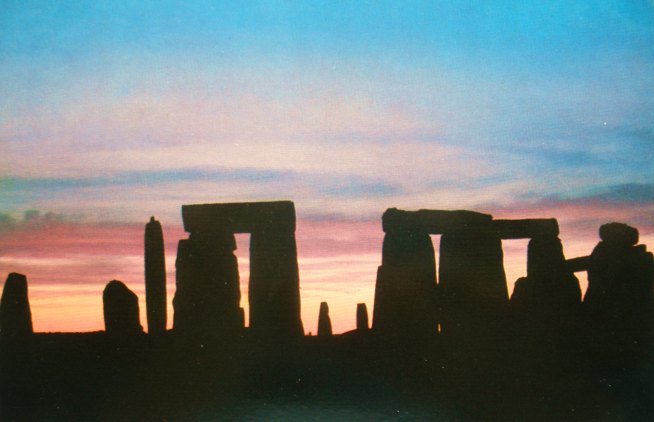
Twenty-three years on, that note won't cover even a child's ticket to the stones. At smaller prehistoric sites it still pays for something whole, and on the Pembrokeshire hills linked to Stonehenge's bluestones there's nothing to pay at all. Which of those applies depends on who looks after a site and how visitors reach it.
Every price below comes from the sites' own pages, archived copies for the early 2000s and current versions read on 27 October 2026. Four places carry the comparison: Stonehenge itself, the great circle at Avebury, the Rollright Stones near Chipping Norton, and Bedd Arthur in the Preseli hills.
An adult Stonehenge ticket has gone from £5.00 to between £24.65 and £38.00
The 2003 list ran to four lines. A child paid £2.50, a concession £3.80, and a family ticket for two adults and up to three children cost £12.50, with 10% off for groups of eleven or more paying as one group. The page gave each ticket type a single price, with no separate rate for booking ahead.English Heritage's current Stonehenge prices page replaces those single figures with ranges. An adult ticket runs from £24.65, booked online ahead of the day without the Gift Aid donation, to £38.00 bought on the day with it. The Gift Aid price includes a voluntary 10% donation. Booking by midnight the night before saves up to 15%, and the page adds that tickets for later in the day are cheaper.
The cheapest child ticket, for ages 5 to 17, is £12.32, which is 18p short of the whole 2003 family ticket. A concession, £3.80 in 2003, now costs between £22.35 and £32.00. Apart from members, who go free, nobody on the current list pays as little as a fiver.
Membership has risen far less than the ticket. English Heritage's membership prices for 2003-04 charged an adult £34.00 a year for free entry to more than 400 historic properties, the cost of almost seven Stonehenge adult tickets at the 2003 price. An individual adult membership now costs £84 a year, or £7 a month by Direct Debit, and the Stonehenge page lists members' tickets as free.
Set against a current adult ticket, £84 covers a little over three visits at the cheapest advance rate and just over two at £38.00. National Trust members in England don't pay either, provided they enter a code when they book. Where a fiver once paid for the visit, it now falls £2 short of a single month's membership.
Avebury's circle is free, and after 3pm a fiver parks the car
At Avebury, the National Trust's current page gives the stone circle's hours as dawn to dusk and attaches prices to the other parts of the site: Avebury Manor and its garden, the Alexander Keiller Museum, guided tours and the car park. None of its ticket tables is for the circle itself.For an adult, the car park is the one charge a fiver settles outright. Cars pay £8.00 for the day or £5.00 after 3pm, Blue Badge holders and motorcycles park free, and National Trust and English Heritage members park free by scanning their cards. Every adult price on the page is higher: a Stone Circles tour is £6, adult entry to the Alexander Keiller Museum is listed at £7.00 without Gift Aid, and the manor and garden together cost an adult £14.00 on the same basis.
As at Stonehenge, the later visitor pays less. Someone who arrives at Avebury after 3pm on an autumn afternoon can park for £5.00 and walk among the stones until dusk, while a car arriving at noon pays £8.00 for the same walk. The later car misses the guides, though: the page lists Stone Circles tours at 12pm, 1pm, 2pm and 3pm, subject to availability, so the £5.00 rate starts just as the day's last tour leaves.
The Rollright Stones now charge £2 a day, paid online
The Rollright Stones sit just north of Chipping Norton in Oxfordshire. The Rollright Trust's website, as archived at the end of 2003, described free parking in the lay-bys beside the site, with the King's Men circle a few strides from the main lay-by and all three monuments within five minutes' walk. It also priced a full colour leaflet by George Lambrick of the Oxford Archaeological Unit, on sale at the site for 50p.The Trust's website now has a page for paying admission online. An adult ticket costs £2.00 and a child's £1.00, valid for the whole day of the visit, with visitors free to come and go.
Typed into a different payment page, five pounds is also the minimum deposit at some UK gambling sites, and the FAQ on gambling.com's £5 deposit casino page cites Paddy Power and Ladbrokes as two UK-licensed examples. Those licences are for play in Great Britain, by adults aged 18 or over. Anyone worried about gambling, their own or someone else's, can phone 0808 8020 133 at any hour to reach the National Gambling Helpline.
The two payments don't end the same way. A deposit goes on games built to return less to players than they stake over time, so the five pounds paid in may not come back. Two adults who pay £4 on the Rollright page keep a pound of the fiver and have the whole day at the stones.
Bedd Arthur, above the bluestone outcrop, has no ticket at all
The Megalithic Portal's page on Bedd Arthur places the site overlooking "the bluestone outcrop of Carn Meini" in Pembrokeshire. Its stones form an oval or horseshoe rather than a true circle, and the page reports speculation that the shape may have influenced the horseshoe of bluestones at Stonehenge.The name translates as "The Grave of Arthur". The Portal counts thirteen small standing stones, with two or three more now fallen, and notes that some believe the site may be a henge, an idea it reckons would make sense given the site's place beside the ancient trackway that runs to Carn Meini and on to the hillfort of Foel Drygarn. Photographs on the page look east across the stones towards both.
That trackway is now a public footpath, and the page describes the walk over from Carn Meini as reasonably gentle. Walking a public footpath costs nothing, so at Bedd Arthur the fiver stays in the pocket.
Information about the site is free as well. Where the Rollright leaflet cost 50p in 2003, the Portal's page carries access notes, photographs and visitors' logs for nothing, and a free account shows visitors' ratings for condition, ambience and access. One contributor logged a visit on 9 September 2026, made by walking west along the ridge towards Carn Bica, and recorded long views and a local dog walker's remark that these hills attract their own weather.
A winter ticket buys more hours than in 2003 but wants an earlier arrival
Time at Stonehenge has changed alongside the price. The 2003 page set out four periods of opening hours, from 9am to 7pm in high summer to 9.30am to 4pm through the winter of 2003-04, and it recommended arriving no later than half an hour before closing, which made 3.30pm the last sensible winter arrival.In the last week of October 2026 the page shows 9.30am to 5pm, an hour longer than the same week in 2003, but last admission is two hours before closing, so the latest arrival is 3pm. A late visitor now has to arrive half an hour earlier than the 2003 page advised, and in return gets two hours before closing time where the 2003 advice left half an hour.
The holiday calendar has opened up too. The 2003 page listed the site as closed for three days over Christmas 2003 and on New Year's Day 2004. The current schedule shows Christmas Eve, Boxing Day and New Year's Day open from 9.30am to 5pm, with only Christmas Day closed.
The biggest change to the calendar came at the start of the decade. BBC News reported on 11 May 2000 that Stonehenge would open to the public for the summer solstice for the first time in 15 years, after a four-mile exclusion order had applied at the solstice since the 1980s. The decision followed an organised visit the year before, which gatecrashers disrupted by pushing down fences and climbing on the stones.
The 2000 opening was set to run from 23.30 BST on the eve of the solstice to 07.30 the next morning, with parking away from the stones and no amplified music or animals. English Heritage's chairman, Sir Neil Cossons, said a close security operation would manage access, with the National Trust, which looks after the surrounding land, and Wiltshire Police working alongside.
The current page singles out both solstices, warning that opening times on those two days are subject to change. It dates the winter one to 22 December, a Tuesday this year, and for now lists that day at the usual 9.30am to 5pm. On the 2003 page the same date fell inside the ordinary winter hours of 9.30am to 4pm, with no note attached.
