


The Fascinating History of Gardens in Ancient Civilizations
Submitted by Andy_B on Thursday, 29 October 2026 Page Views: 13
Resources
From the elaborate gardens of ancient Egypt to the peaceful landscapes of classical China, different civilizations developed distinctive approaches to outdoor design. Climate, available resources, cultural traditions, and architectural preferences all influenced how gardens were created and maintained.
Although modern landscaping has introduced new materials and technologies, many familiar garden features originated centuries ago. Shaded seating areas, decorative ponds, organized pathways, and carefully arranged plants reflect ideas that have survived across generations. Exploring the history of ancient gardens reveals how these outdoor spaces evolved and why their influence remains visible today.
Ancient Gardens Established the Foundations of Outdoor Living
Long before modern backyards became places for recreation, ancient civilizations recognized the value of creating dedicated outdoor spaces. Gardens offered opportunities to escape crowded surroundings, enjoy shade, and spend time with family or guests.These early designs established principles still visible in contemporary landscaping. Defined pathways encouraged movement, trees provided shelter from sunlight, and carefully arranged planting areas created attractive environments for relaxation.
Modern families continue developing outdoor spaces around similar ideas, although recreational equipment now plays a greater role. Playground structures and backyard accessories available from Swing Set Mall reflect the continuing importance of creating outdoor environments that encourage activity, enjoyment, and time together.
The connection between ancient and modern gardens lies in their purpose rather than their equipment. Across different historical periods, people have sought to transform outdoor areas into places that support comfort, recreation, and meaningful experiences.
Egyptian Gardens Combined Beauty With Practical Design
Ancient Egyptian gardens were closely connected to the country's climate and the importance of the Nile River. Water was essential for maintaining vegetation in a hot environment, making irrigation a defining feature of garden design.Archaeological evidence and surviving artwork show that wealthy Egyptians created enclosed gardens containing trees, flowers, pools, and carefully organized planting areas. Some designs featured rectangular ponds surrounded by symmetrical rows of vegetation. Shade was particularly valuable, encouraging the cultivation of date palms and sycamores.
The Egyptian appreciation for carefully arranged greenery has a recognizable connection to contemporary decorative planting. Today, companies such as LiveTrends Design Group bring plants into modern interiors through thoughtfully designed living arrangements, demonstrating how greenery continues to combine natural beauty with artistic presentation.
Religious symbolism influenced Egyptian gardens as well. Certain flowers and trees held cultural significance, while garden pools could reflect beliefs associated with life and renewal. The emphasis on geometry, water, and sheltered surroundings helped establish influential landscaping traditions.
Mesopotamian Gardens Became Symbols of Prestige
In ancient Mesopotamia, gardens were associated with agriculture, engineering, and royal power. Maintaining abundant vegetation in challenging environmental conditions demonstrated access to resources, organized labor, and sophisticated irrigation systems.Royal gardens could include trees, water channels, and plants gathered from different territories. Assyrian rulers, particularly Sennacherib, commissioned elaborate water systems and landscaped areas that reflected the wealth and ambitions of their kingdoms.
The legendary Hanging Gardens of Babylon remain among the most famous gardens associated with antiquity. Ancient writers described remarkable elevated terraces filled with vegetation, although their exact location and historical existence remain subjects of scholarly debate.
Regardless of that uncertainty, the legend demonstrates the importance ancient societies placed on ambitious landscape design. Mesopotamian gardens also highlight the enduring relationship between horticulture, architecture, and engineering.
Greek and Roman Gardens Encouraged Leisure and Conversation
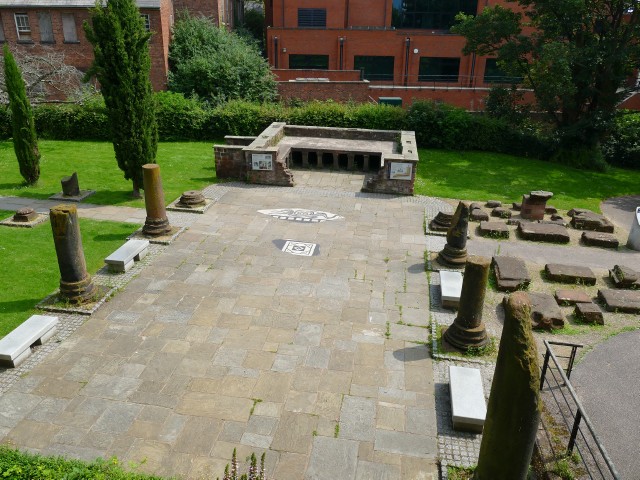
Gardens in ancient Greece and Rome reflected changing ideas about architecture, philosophy, and leisure. Greek outdoor spaces were often associated with religious sanctuaries, public gathering areas, and places where philosophical discussions could take place.
Roman garden design became particularly elaborate in private villas and wealthy urban residences. Courtyards frequently featured decorative plants, fountains, sculptures, and carefully arranged pathways that created inviting environments for relaxation.
The Roman *peristyle* garden, surrounded by columns or covered walkways, established a connection between interior living spaces and outdoor surroundings. These environments allowed residents to enjoy natural scenery while remaining within their homes.
Gardens also became settings for entertaining guests and displaying artistic collections. Their influence remains recognizable in contemporary courtyards and outdoor entertaining areas that combine architecture with carefully maintained vegetation.
Chinese Gardens Emphasized Harmony With Nature
Ancient Chinese garden traditions developed around philosophical and aesthetic ideas emphasizing relationships between people and the natural world. Rather than relying exclusively on symmetrical arrangements, many designs sought to create landscapes that appeared natural while being carefully composed.Rocks, water, trees, and architectural features became important elements of these environments. Their arrangement encouraged visitors to experience different views while moving along winding pathways.
Gardens could reflect concepts associated with Taoism and other philosophical traditions, emphasizing balance, reflection, and the changing character of nature. Decorative pavilions and carefully framed views helped create environments that encouraged observation and contemplation.
These principles influenced garden traditions throughout East Asia and continue inspiring contemporary landscape designers interested in creating peaceful outdoor environments.
Plants Became Important Symbols Across Cultures
Ancient gardens were not simply collections of attractive vegetation. Plants frequently carried religious, cultural, medicinal, and practical significance, making their selection an important part of landscape design.The lotus held particular symbolic importance in ancient Egypt, while olive trees were deeply connected to Greek culture. In other regions, fragrant flowers and fruit trees contributed to the sensory experience of outdoor spaces.
Garden designers often selected vegetation according to both environmental conditions and cultural meaning. Trees could provide shade, flowers could introduce color and fragrance, and cultivated plants could supply food or medicinal ingredients.
This combination of practical and decorative purposes remains familiar today. Modern gardens frequently incorporate plants that offer visual appeal alongside shade, privacy, and seasonal interest.
Ancient Garden Design Continues to Influence Modern Landscapes
Many features associated with contemporary gardens have recognizable historical roots. Decorative water elements, shaded seating, enclosed courtyards, and organized planting beds appeared in different forms across ancient civilizations.Modern landscape architects often draw inspiration from these traditions while adapting them to contemporary lifestyles. A formal garden may borrow symmetry from Egyptian or Roman designs, while a peaceful courtyard may incorporate principles associated with classical Chinese landscapes.
Changes in technology have made irrigation, lighting, and maintenance easier to manage, but the desire to create inviting outdoor environments remains consistent. Gardens have also become more accessible, appearing in modest backyards, shared residential spaces, and public parks.
Ultimately, the history of gardens reveals a lasting human desire to shape nature into environments that offer comfort, beauty, and connection. Different civilizations approached this challenge through distinctive cultural traditions, yet their creations shared an appreciation for thoughtfully designed outdoor spaces.
Their influence continues wherever people plant trees for shade, arrange flowers for beauty, or create peaceful places to spend time outdoors. Gardens remain a meaningful connection between historical traditions and modern everyday life.