How Seasonal Conditions Can Change the Way You Experience Ancient Landscapes
Submitted by Andy_B on Friday, 09 October 2026 Page Views: 47
Resources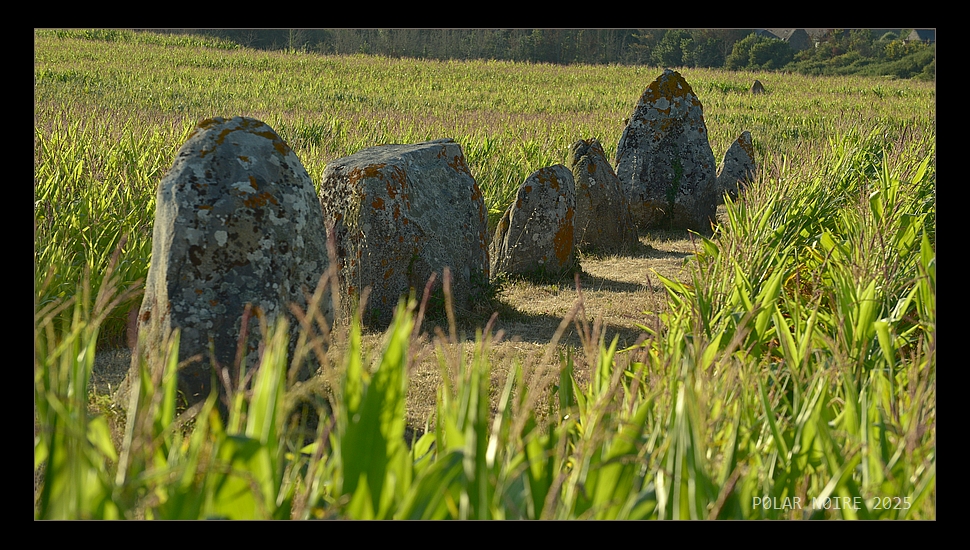
That is why the best season for visiting an archaeological site depends on more than avoiding rain. The landscape itself changes, sometimes dramatically, and those changes can reveal different sides of the same place.
Temperature Changes How Long You Can Stay
Heat and cold affect ancient sites more than many visitors expect.Open archaeological areas often provide very little shelter, and stone surfaces can intensify both summer heat and winter chill. A site that feels easy to explore in mild weather may become exhausting when temperatures climb.
This also changes how visitors plan the rest of the day. After hours outdoors, people naturally look for ways to warm up or cool down, and interest in home comfort or heat-based relaxation can extend to products such as a huum sauna heater for sale when thinking about how different environments shape comfort.
At the site itself, though, the priority should be timing. Early mornings and late afternoons are often much easier than midday during hotter months.
Vegetation Can Hide or Reveal the Landscape
Plants can completely change how ruins are perceived.In spring, grass and wildflowers can make ancient structures feel softer and more integrated with the surrounding countryside. In drier months, vegetation may recede and reveal walls, terraces or pathways that were harder to see earlier in the year.
This can affect photography as well.
A site surrounded by green hills will produce a very different visual impression from the same location during a dry, golden season.
Neither version is necessarily better. They simply highlight different elements of the landscape.
Visitors interested in architecture may prefer seasons when vegetation is lower, while those drawn to atmosphere and scenery may enjoy periods when the surrounding land is more colourful.
Rain Can Transform Access
A little rain may not sound like a major issue, but ancient terrain can become much harder to navigate once surfaces are wet.Stone steps can turn slippery, dirt paths may become muddy and rural access roads can deteriorate quickly.
This matters particularly at remote sites where the final approach already involves rough ground.
Checking the forecast before leaving is useful, but recent weather is just as important. A sunny morning does not guarantee dry conditions if heavy rain fell the previous day.
Water can also improve the experience in some locations. Streams, surrounding vegetation and distant views may become more dramatic after rainfall.
The key is knowing whether the infrastructure can handle the conditions.
Daylight Changes More Than Photography
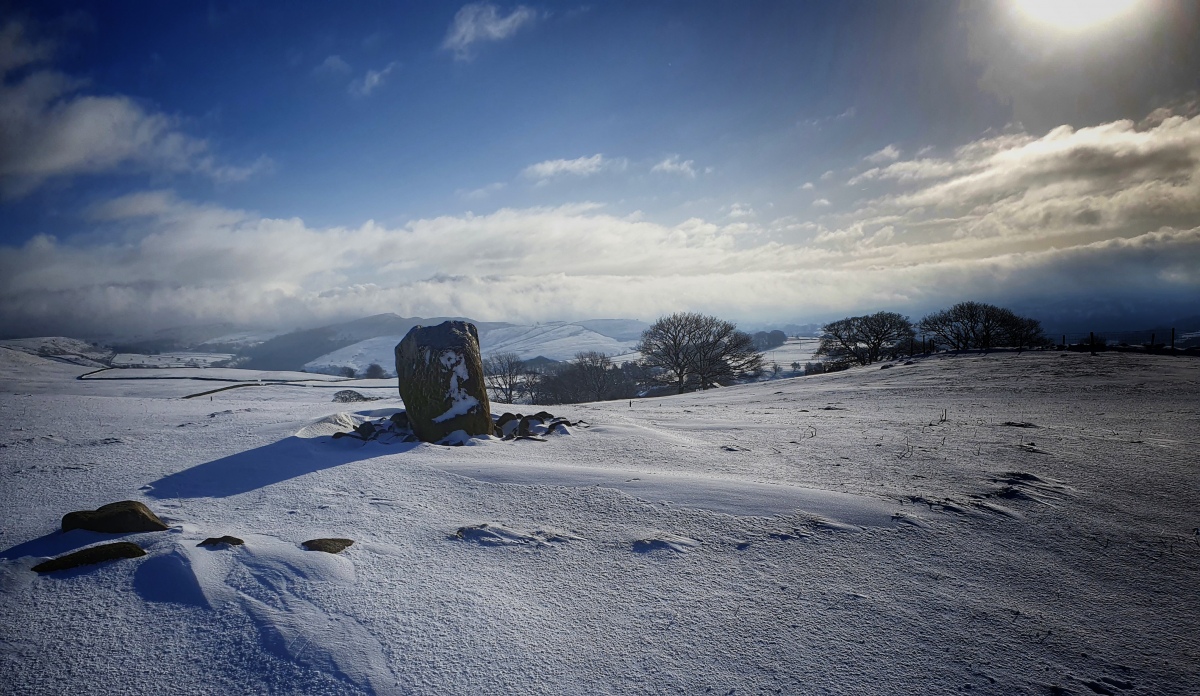
Seasonal daylight has a strong effect on how much time visitors actually have.
In summer, long evenings make it easier to explore slowly and still return before dark. Winter visits require tighter planning, particularly when the route includes a long walk back to a car park or village.
Low winter sunlight can also reveal architectural details differently.
Shadows become longer, walls appear more textured and uneven ground becomes visually more pronounced.
Summer light tends to be brighter and flatter around midday, which can make the site feel more exposed.
Timing a visit around the direction and strength of the light can change the atmosphere substantially, even when the ruins themselves remain unchanged.
Visitor Numbers Shape the Experience
Season does not only affect the physical landscape. It also changes how crowded the site feels.Peak travel months can bring tour groups, busy car parks and queues at entrances. That can make famous sites feel very different from quieter periods.
Visiting outside the busiest season often creates more space to move slowly, stop for photographs and notice details that are easy to miss when paths are crowded.
The trade-off may be shorter opening hours, fewer transport options or less predictable weather.
There is no perfect season.
The better choice depends on whether comfort, quiet, accessibility or atmosphere matters most.
Wind Can Be More Important Than Temperature
Exposed hilltop sites are often much windier than nearby towns.A mild day at lower elevation can become uncomfortable once visitors reach an open plateau or ridge.
Wind affects clothing choices, photography and even how long people are willing to stay.
It can also make narrow paths or steep viewpoints feel more intimidating.
Checking wind conditions is especially useful for sites built on defensive high ground, where exposure was historically an advantage.
Layered clothing usually works better than dressing only for the temperature shown in the nearest city.
The same landscape can feel calm one day and completely different the next.
Every Season Reveals Something Different
Ancient places are shaped by more than their ruins.Light, weather, vegetation and visitor activity all influence the way history is experienced in the present.
A summer visit may provide long hours and clear access. Spring can bring greener landscapes. Autumn may offer softer light and fewer crowds, while winter can expose architecture that is partly hidden during other seasons.
The most useful approach is therefore not to search for one universally perfect time.
Instead, think about what you want from the visit.
If comfort matters most, choose mild weather. If photography is the priority, pay attention to light and vegetation. If the atmosphere and quiet matter more, consider travelling outside peak season.
The site will still be ancient, but the experience around it can change completely.