



Walking The Ridgeway In A Single Weekend
Submitted by Andy_B on Friday, 09 October 2026 Page Views: 6
Resources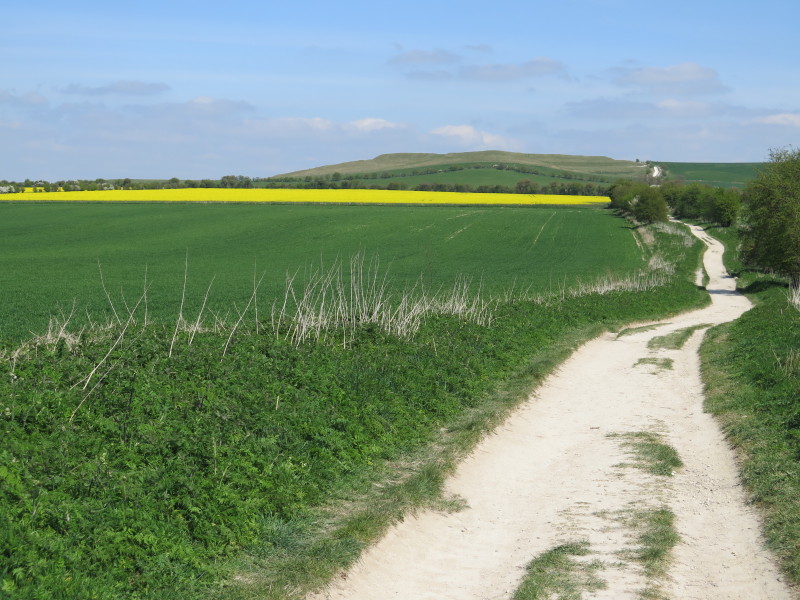
Shaping a realistic weekend journey
If you set out to walk the Ridgeway in a single weekend, you are really deciding which version of the trail you want to experience. The full National Trail runs for about 87 miles, and most people adapt it to the available daylight, their own pace and the train times at each end, often choosing a fast traverse between the Downs and the Chilterns rather than a leisurely amble between individual monuments.On the high chalk west of Swindon, the track between Barbury Castle and Hackpen Hill gives you that classic Ridgeway combination of broad, flinty lane and huge skies, while still keeping you within reach of practical exit points such as the lane down to Rockley or the long descent towards Ogbourne St George. Some adults on long hauls along these exposed sections carry small comforts such as coffee sachets, chocolate or White Fox pouches bought from snusbox.eu/collections/white-fox, stowed away in a pocket or pouch alongside the usual map and snacks.
Linking chalkland monuments in one push
To give the weekend a megalithic spine, many walkers focus their first long day on the western, prehistoric heartland of the Ridgeway, where the path passes within easy reach of Wayland’s Smithy long barrow, its chambered interior set back in a beech copse a few hundred metres off the main track and clearly signed from the path, and then continues towards the low, grassy banks of Liddington Castle hillfort. Between those two, you cross a series of minor lanes, including the one up from Ashbury, which has a small car park at the top known locally as Ashbury Hill, a useful rendezvous for lifts if one member of your party is not walking the full stretch.If you are heading east on your second day, the character shifts when you drop down to the Thames at Streatley and climb again into the Chilterns, where the Ridgeway briefly coincides with the line of the earthwork known as Grim’s Ditch near Nuffield, a reminder that this is not just a route between famous sites but a corridor through a much more densely structured prehistoric landscape. If you are planning a Chilterns-based section of the route, incorporating a short detour to Boddington Camp hillfort adds a tangible sense of the Iron Age landscape that once overlooked this ancient trackway.
Practicalities of a compressed Ridgeway
Because you are squeezing the Ridgeway into two very full days, you tend to think in terms of reliable access points and clear mental markers, so places like the car park at Sparsholt Firs on the B4001 above Lambourn, where a fingerpost sends you straight onto the Ridgeway surface, become key staging posts as much as viewpoints. East of there, near Segsbury Camp, you will notice how the familiar National Trail acorn has been fixed not only to wooden posts but also to metal farm gates, a small but helpful detail when you are tired and moving fast in the soft light of late evening.At the northern end of the trail, many walkers make time to explore the dramatic earthworks of the Ivinghoe Beacon hillfort before or after their Ridgeway weekend, treating the short climb from the nearest car park as a final symbolic effort that ties their modern journey into the longer story of the route. Walking the Ridgeway this way, in a single concentrated burst rather than in gentle stages, gives you less time at each monument but a stronger sense of the line itself, and as you look back along the ridge from whichever end you finish, you carry away not just memories of individual sites but the feeling of having traced an ancient path across the spine of southern England.
