


Renting a Car in Punta Cana: What UK Travellers Should Know Before Booking
Submitted by Andy_B on Monday, 05 October 2026 Page Views: 3
Resources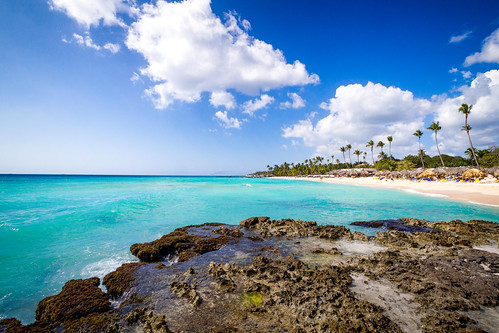 For a lot of British travellers, the Dominican Republic still means one thing: an all-inclusive resort in Punta Cana, a wristband, and not much reason to leave the grounds. That is a shame, because the area around Punta Cana and Bavaro has genuinely interesting things to see once you are willing to drive to them, and hiring a car turns out to be far less complicated than most first-time visitors expect.
The first surprise for UK travellers is usually the paperwork. A standard UK driving licence is accepted in the Dominican Republic, so there is no need to arrange an International Driving Permit before you fly, although carrying one alongside your licence rarely hurts. What tends to catch people out instead is the age requirement: many local operators set a minimum age of 25 for renters, which is worth checking before you book if anyone in your group is younger.
The second surprise is the airport pickup itself. Punta Cana International Airport (PUJ) is essentially open-air, and the car rental counters sit some distance from the arrivals gate, which can mean a hot, jet-lagged walk with luggage after a long flight from the UK. Some operators, including the local firm Vroom.do, deliver the car directly to the arrivals gate instead, which removes that first bit of friction and gets you on the road within minutes rather than queuing at a counter.
Once you actually have a car, the appeal becomes obvious. Bavaro Beach and Arena Gorda are a short drive from most resorts, but they are only the start. Further afield, Cotubanama National Park, the freshwater lagoons at Ojos Indigenas, and the hilltop views from Mount Redonda all sit comfortably within a day trip, and none of them are realistically doable on the resort's own shuttle schedule. Having your own car also means you are not tied to a tour bus timetable if you want to catch sunset at a specific spot or linger somewhere longer than the group allows.
Driving itself takes a short adjustment. Road signage is less consistent than in the UK, mopeds weave between lanes without much warning, and a flashed headlight usually means the other driver is letting you pass rather than telling you off. None of this is unmanageable if you stay alert and keep to main roads around the resort areas, and most rental cars come with GPS or at least a phone mount, so apps like Waze handle navigation and speed-camera warnings without much fuss.
On cost, a rental works out well for anyone travelling in a small group or a family. Split three or four ways, a few days of car hire plus fuel is usually cheaper than the same number of taxi transfers to the beach and back, and it removes the need to negotiate a price every time you want to go somewhere. Most local companies, Vroom.do. included, quote an all-in daily rate that already covers insurance and unlimited mileage, so there is less risk of the extra charges that catch people out with some international chains.
For a lot of British travellers, the Dominican Republic still means one thing: an all-inclusive resort in Punta Cana, a wristband, and not much reason to leave the grounds. That is a shame, because the area around Punta Cana and Bavaro has genuinely interesting things to see once you are willing to drive to them, and hiring a car turns out to be far less complicated than most first-time visitors expect.
The first surprise for UK travellers is usually the paperwork. A standard UK driving licence is accepted in the Dominican Republic, so there is no need to arrange an International Driving Permit before you fly, although carrying one alongside your licence rarely hurts. What tends to catch people out instead is the age requirement: many local operators set a minimum age of 25 for renters, which is worth checking before you book if anyone in your group is younger.
The second surprise is the airport pickup itself. Punta Cana International Airport (PUJ) is essentially open-air, and the car rental counters sit some distance from the arrivals gate, which can mean a hot, jet-lagged walk with luggage after a long flight from the UK. Some operators, including the local firm Vroom.do, deliver the car directly to the arrivals gate instead, which removes that first bit of friction and gets you on the road within minutes rather than queuing at a counter.
Once you actually have a car, the appeal becomes obvious. Bavaro Beach and Arena Gorda are a short drive from most resorts, but they are only the start. Further afield, Cotubanama National Park, the freshwater lagoons at Ojos Indigenas, and the hilltop views from Mount Redonda all sit comfortably within a day trip, and none of them are realistically doable on the resort's own shuttle schedule. Having your own car also means you are not tied to a tour bus timetable if you want to catch sunset at a specific spot or linger somewhere longer than the group allows.
Driving itself takes a short adjustment. Road signage is less consistent than in the UK, mopeds weave between lanes without much warning, and a flashed headlight usually means the other driver is letting you pass rather than telling you off. None of this is unmanageable if you stay alert and keep to main roads around the resort areas, and most rental cars come with GPS or at least a phone mount, so apps like Waze handle navigation and speed-camera warnings without much fuss.
On cost, a rental works out well for anyone travelling in a small group or a family. Split three or four ways, a few days of car hire plus fuel is usually cheaper than the same number of taxi transfers to the beach and back, and it removes the need to negotiate a price every time you want to go somewhere. Most local companies quote an all-in daily rate that already covers insurance and unlimited mileage, so there is less risk of the extra charges that catch people out with some international chains.
For UK travellers weighing up whether to bother, the honest answer is that it depends on how much of the Dominican Republic you actually want to see. If the plan is genuinely to stay on the resort for a week, a car adds cost with little benefit. But for anyone who wants a proper look at Punta Cana beyond the pool bar, a few days behind the wheel is one of the more worthwhile things to book before you land.
For UK travellers weighing up whether to bother, the honest answer is that it depends on how much of the Dominican Republic you actually want to see. If the plan is genuinely to stay on the resort for a week, a car adds cost with little benefit. But for anyone who wants a proper look at Punta Cana beyond the pool bar, a few days behind the wheel is one of the more worthwhile things to book before you land.
With many thanks to Chad Davis for the lovely Creative Commons photo at top.