


House or Apartment? Choosing the Right Type of Home to Buy in Kenya
Submitted by Andy_B on Monday, 05 October 2026 Page Views: 6
Resources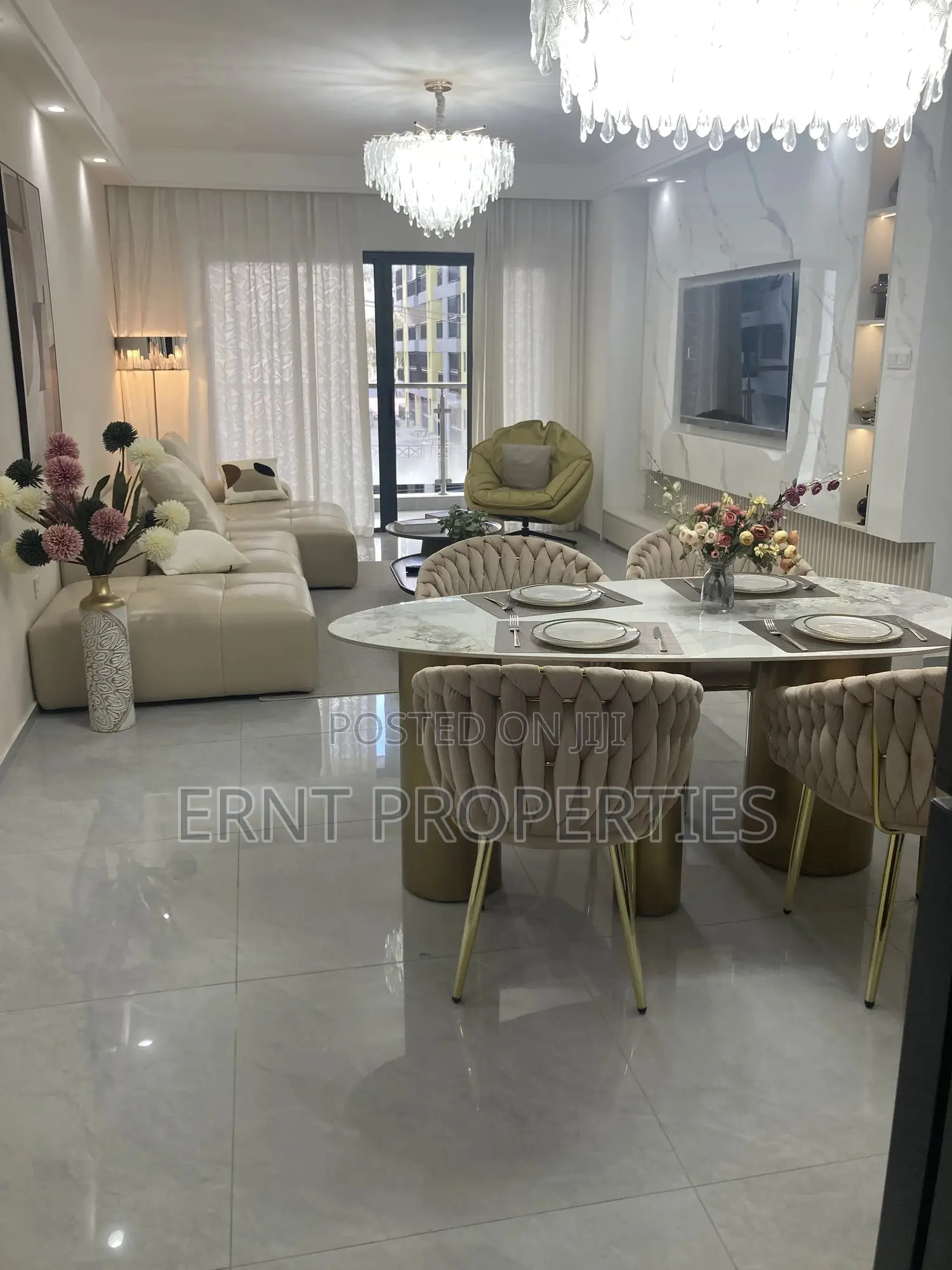 Most people who start looking for a home to buy in Kenya begin with a location and a budget in mind, but the type of property they choose often shapes their daily life far more than either. An apartment in a managed block, a maisonette or townhouse in a gated community and a standalone house on its own plot each come with very different responsibilities, freedoms and long-term prospects. This guide compares the three side by side: space, privacy, security, running costs, rules, ownership documents, resale potential and who each type tends to suit. It finishes with a viewing checklist and the warning signs worth taking seriously before you commit.
In Kenyan towns and cities, buyers usually choose between three broad categories. Apartments are units within a larger block, often with a shared compound, lifts in taller buildings and a management company that looks after common areas. Maisonettes and townhouses are multi-storey homes, usually built in rows or clusters inside a gated estate, combining a house-like layout with shared security and services. Standalone houses sit on their own plot, sometimes in a controlled estate and sometimes on an open road, with the owner responsible for almost everything.
None of these is automatically better. Each represents a trade-off between convenience and control, and between shared costs and personal responsibility. Many buyers only realise which matters most to them after they have lived with the wrong choice for a while.
Before you narrow things down, looking through a broad range of current listings, for example at https://hata.co.ke/houses-apartments-for-sale, gives you a feel for how apartments, maisonettes and houses compare in the same neighbourhood, and which features sellers tend to highlight for each type.
Space and privacy
Standalone houses offer the most space and the most privacy. You usually have a garden, room for children to play, and no neighbours above or below you. Maisonettes come close: you get several floors and often a small backyard, but you share walls and sometimes a common driveway. Apartments are the most compact, and balconies are often the only private outdoor area.
That said, more space also means more to clean, furnish and maintain. A couple who travel often may find a large compound more of a burden than a pleasure.
Security
Apartment blocks and gated estates usually have a single controlled entrance, guards, and sometimes access cards or visitor logs. That shared arrangement spreads the cost and gives many residents peace of mind, especially if they are away for long periods. A standalone house outside an estate relies on your own perimeter wall, gate, lighting, alarm and guard arrangements, which you must organise and pay for yourself. Ground-floor apartments and end-of-row townhouses can be more exposed than units higher up or in the middle, so look at the specific unit, not just the development.
Shared amenities, service charge and management
Apartments and most gated communities charge a regular service charge, managed by a management company or a residents' association. This typically covers security, cleaning of common areas, garbage collection, gardening, lift maintenance and sometimes a swimming pool, gym or children's play area. The upside is convenience: someone else deals with broken gates and overgrown hedges. The downside is that you depend on how well that body is run, and charges can rise.
With a standalone house, there is no service charge, but you carry the full responsibility for repairs, painting, roofing, drainage, landscaping and staff. Costs are less predictable and arrive in lumps rather than monthly instalments.
Water, power backup and parking
Water supply and power interruptions are everyday concerns in many parts of Kenya. Well-managed apartment blocks and estates often have shared storage tanks, booster pumps, a borehole or a backup generator for common areas and lifts. Ask exactly what is covered, since some generators power only lifts and corridors, not individual units.
A house lets you install your own tanks, rainwater harvesting, solar panels or a borehole where permitted, giving you more control over reliability. Parking follows a similar pattern: houses and maisonettes usually have their own driveway, while apartments may offer one allocated space per unit, with visitor parking limited.
Noise and neighbours
Shared walls and floors mean apartment and townhouse residents hear more of each other: footsteps, music, children and renovation work. Upper-floor units tend to be quieter than ground-floor ones near the gate or parking. Standalone houses are generally quieter, though a plot near a busy road, a school or a bar can be noisier than a well-placed apartment.
Rules on pets, renovations and letting
Managed developments usually have house rules or by-laws. These may restrict pets, set hours for building work, require approval for changes to the façade or balcony, and control short-term letting. Read these rules before you buy, not after. If you plan to keep dogs, run a home business or rent out the unit to holiday guests, confirm in writing that it is allowed. Standalone house owners have far more freedom, although local planning rules still apply to extensions and change of use.
Land, title and future extension
One of the biggest differences is the land component. When you buy a standalone house, you generally acquire the plot itself, so you can extend, add a servant's quarter or rebuild in future, subject to approvals. Land also tends to hold value over long periods. Apartment buyers own their unit and a share of the common areas, usually under a sectional title or a long lease arrangement, rather than a title for an individual plot. Maisonettes in gated estates can fall into either category depending on how the development was structured.
The type and status of ownership documents matter a great deal. Ask the seller exactly what document you will receive and have it checked independently. Property law and registration procedures change, so treat this section as general information and consult a qualified advocate and a registered valuer before you sign anything or pay a deposit.
Resale value and rental demand
Apartments in well-connected areas near offices, universities and transport often rent quickly, which is why many investors favour them. They are also easier to sell to first-time buyers. However, ageing blocks with poor management can lose appeal over time. Maisonettes are popular with families and often hold their value well in established estates. Standalone houses can appreciate strongly because of the land, but they may take longer to sell because fewer buyers can afford them and the pool of tenants is smaller.
Location trade-offs
For the same budget, an apartment often lets you live closer to the city centre, major roads and workplaces, while a house usually means moving further out. That brings longer commutes, but also more space and sometimes lower density. Think about your daily routine, schools, hospitals and shopping, and visit the area at rush hour and after dark before deciding.
Who each type suits
- Singles and young couples: apartments are usually the practical choice, offering security, low maintenance and a central location.
- Growing families: maisonettes and townhouses in gated communities balance space, safety for children and shared amenities.
- Retirees: a ground-floor apartment or a single-storey house avoids stairs; a quiet estate with reliable security is often the priority.
- Investors: apartments are easier to let and manage, while houses on good plots offer long-term land value and redevelopment potential.
Inspection checklist for any viewing
- Structure: look for cracks in walls and ceilings, damp patches, leaking roofs and uneven floors.
- Water: turn on taps and showers, check water pressure, and ask about storage capacity and supply schedules.
- Electrics: test sockets and switches, look at the meter and distribution board, and ask what the backup covers.
- Drainage: check gutters, manholes and how the compound copes during heavy rain.
- Common areas: in apartments and estates, inspect stairs, lifts, gates and garbage areas; they show how well management works.
- Documents: ask for ownership documents, approvals and, for managed developments, the latest service charge statement and house rules.
- Neighbours: speak to current residents about security, noise and how quickly problems get fixed.
Red flags to take seriously
- A seller who rushes you to pay a deposit before documents are verified.
- Reluctance to share ownership papers or to let your advocate run official searches.
- Large unpaid service charge arrears or no functioning management company.
- Visible structural problems described as "only cosmetic".
- Off-plan projects with no clear approvals, timelines or track record of the developer.
- A price far below similar properties nearby without a convincing explanation.
The bottom line
Choosing between an apartment, a maisonette and a standalone house is really a choice about how much responsibility you want to carry and how you plan to live over the next decade. Apartments trade space for convenience and location, gated townhouses balance family needs with shared services, and houses offer freedom and land at the cost of full personal upkeep. Inspect carefully, read the rules, verify every document with professional help and match the type of home to your life stage rather than to what looks impressive on a viewing day.
