

Introduction to Leicestershire and Rutland
Submitted by enkidu41 on Saturday, 14 August 2004 Page Views: 8286
EnglandCountry: England County: Leicestershire and RutlandInternal Links:

The county is divided into two almost equal parts by the River Soar, which flows northward into the Trent. It separates the east and west by a broad valley and flows through historic Leicester in the very heart of the county. This capital town was thriving in Roman days and is one of the oldest towns in England. And every schoolchild knows the name of Bosworth Field, one of the momentous battles which changed the course of English history.
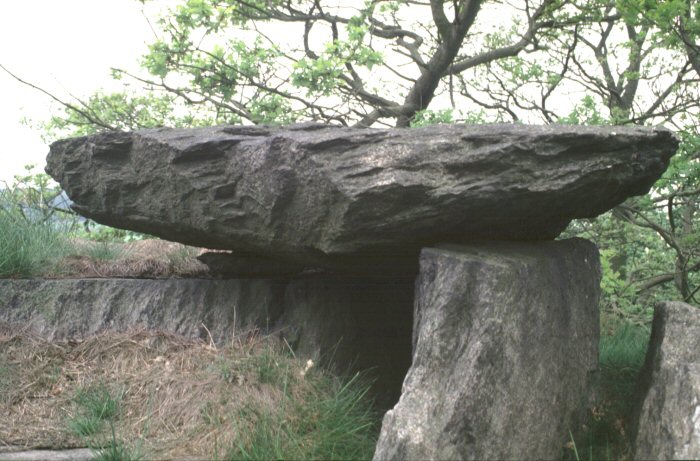
It is a pleasant county of fields and woods, ancient earthworks, picturesque villages and some marvellous churches. It is not, however, a county whose prehistory has been left untouched and many of the henges, hillforts and burial chambers have gone under the plough and are today evidenced only by cropmarks. There are many standing stones (e.g. the Altar Stone and Huncote Standing Stone) and crosses, some of undoubted antiquity, and the county is blessed with many holy wells with assorted healing properties attributed to them, probably due to the chalybeate nature of the water.
Just 20 miles across and covering a mere 150 square miles, Rutland delights in its status as England's smallest county. Its 37,800 inhabitants were incensed when the Local Government changes of 1974 stripped the county of its identity and merged it with neighbouring Leicestershire. It took more than 20 years of ceaseless campaigning before bureaucracy relented and Rutland was reinstated as a county in its own right once again. Rutland has villages of thatch and ironstone clustered around their churches and the countryside is rich in pasture where once deer were hunted. Its central feature is Rutland Water, its 3,100 acres making it one of the largest man-made lakes in northern Europe.

 We would like to know more about this location. Please feel free to add a brief description and any relevant information in your own language.
 Wir möchten mehr über diese Stätte erfahren. Bitte zögern Sie nicht, eine kurze Beschreibung und relevante Informationen in Deutsch hinzuzufügen.
 Nous aimerions en savoir encore un peu sur les lieux. S'il vous plaît n'hesitez pas à ajouter une courte description et tous les renseignements pertinents dans votre propre langue.
 Quisieramos informarnos un poco más de las lugares. No dude en añadir una breve descripción y otros datos relevantes en su propio idioma.