
How Audio Technology Is Transforming the Way We Explore Ancient History
Submitted by Andy_B on Wednesday, 18 March 2026 Page Views: 120
Resources
How Digital Tools Are Supporting the Preservation of Megalithic Heritage
When the Ancient World Meets Modern Technology
As the community of archaeology enthusiasts grows, so does the variety of media through which people engage with this content. Podcasts, recorded lectures, fieldwork audio interviews, and digital storytelling have become central to how archaeological knowledge is shared and consumed today. And in parallel, a powerful new technological need has emerged: the ability to quickly and accurately translate audio to text converting spoken archaeological insights into searchable, accessible, and shareable written content.This article explores how modern digital tools are increasingly supporting the work of archaeology communities, helping to document, preserve, and share knowledge about prehistoric sites in more accessible and sustainable ways, and the digital tools that are reshaping how we preserve and communicate knowledge about our prehistoric heritage.
The Megalithic Portal: A Global Hub for Prehistoric Heritage
The Megalithic Portal is far more than a simple database. It is a living, breathing community resource that documents megalithic monuments standing stones, stone circles, dolmens, cairns, passage graves, and prehistoric settlements across the UK, Ireland, and increasingly the entire world.The site was originally rooted in Andy Burnham's "Prehistoric Web Index" from around 1997 and has since evolved into a sophisticated platform powered by open-source technologies, including a MariaDB database backend and PHP front end. Contributors span the full spectrum from professional archaeologists and photographers to local historians and dedicated enthusiasts all united by a commitment to document sites that are frequently endangered by development and intensive agriculture.
Some of the most compelling aspects of The Megalithic Portal include:
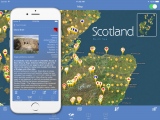
• Interactive Megalith Map A searchable map divided into 100-kilometre grid squares, pinpointing prehistoric stone circles and stone rows across Britain and Ireland, described by The New York Times as "a wonderful guide."
• Egallery A photographic archive of over 30,000 images of ancient sites, including several hundred photographs of Stonehenge alone.
• Community Articles and News Regular feature articles, archaeological news updates, and community-submitted reports covering discoveries from Early Iron Age settlements to multi-period ancient cities.
• GPS and Google Earth Downloads Data files that allow users to overlay site locations onto modern mapping tools, bringing the ancient world into the digital age.
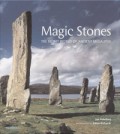
• A Published Companion Book *The Old Stones: A Field Guide to the Megalithic Sites of Britain and Ireland*, edited by Burnham and featuring contributions from the portal's community.
The portal's mission is unambiguous: to document, publicise, and protect ancient sites that are often unscheduled and unprotected. Many standing stones and prehistoric monuments have disappeared entirely over the past 75 years bulldozed by construction, lost to agriculture, or simply neglected. The Megalithic Portal stands as a critical archive against this erasure.
Digital Tools Supporting Documentation and Research
The good news is that modern technology has made audio transcription more accurate and accessible than ever before. Tools that translate audio to text now use advanced artificial intelligence and machine learning to handle a wide range of accents, technical vocabulary, recording conditions, and audio formats.When selecting a tool for archaeological or historical audio content, the following capabilities matter most:
• Accuracy with specialist vocabulary Archaeological content often includes place names, technical terms, and historical references that basic transcription tools may mishandle.
• Support for multiple audio formats Fieldwork recordings may come in a variety of formats including MP3, MP4, WAV, and others.
• Speed and ease of use Researchers and content creators need tools they can use quickly without a steep technical learning curve.
• Accessibility features Transcripts serve audiences with hearing impairments, making content more inclusive.
• Editing capabilities The ability to review and refine a transcript is important when accuracy matters.
Today, a wide range of browser-based transcription tools and AI-powered platforms are available that allow users to convert recorded audio into written text quickly and efficiently. These tools are particularly valuable for researchers, community historians, and content creators who want to document their findings without requiring advanced technical expertise. a browser-based tool that allows users to upload audio files and receive accurate transcriptions quickly and without the need for any software installation. Its simplicity and accessibility make it particularly well-suited for academics, community historians, and podcast creators who may not have access to specialist transcription software. Whether you are transcribing a recorded walking tour of a stone circle or converting a university lecture on Bronze Age burial practices into a searchable document, tools like Clideo make the process accessible to everyone.
Practical Applications for Archaeology Communities
The overlap between the world of heritage and modern audio tools may not seem obvious at first, but it is deeper than you might expect. Here is how transcription technology can actively support the kind of work that communities like The Megalithic Portal are doing every day.Archiving Oral History and Local Knowledge
Many of the most valuable insights about ancient sites are held not in academic papers but in the memories of local communities farmers whose land borders a stone row, parish historians who remember stories passed down through generations, or amateur enthusiasts who have spent decades walking the same moors. Recording these voices is vital, and transcribing them makes this knowledge searchable, shareable, and permanent.Supporting Accessibility of Podcast Content
The Megalithic Portal frequently highlights and links to podcasts about archaeology and ancient history. For podcast producers targeting this community, providing accurate written transcripts dramatically improves SEO performance making episodes discoverable through search engines while simultaneously serving listeners who prefer to read or who have hearing difficulties.Using transcription tools allows podcast producers to quickly generate accurate written versions of their content can generate a publishable transcript in a fraction of the time it would take to transcribe manually.Enhancing Research Efficiency
Archaeologists and writers contributing articles to platforms like The Megalithic Portal often conduct recorded interviews as part of their research process. Converting these recordings into text allows researchers to search for specific quotes, spot thematic patterns across multiple interviews, and produce written summaries far more efficiently.Making Conference and Lecture Content Accessible
Archaeological conferences, university lectures, and public talks are increasingly being recorded. When these recordings are transcribed, the knowledge they contain becomes accessible to a much wider global audience including members of communities like The Megalithic Portal who may be located far from the institutions where the talks took place.The Bigger Picture: Preserving Knowledge in Multiple Formats
The work being done by The Megalithic Portal is ultimately about preservation ensuring that knowledge about our prehistoric heritage is documented before it disappears. This same imperative applies to the audio content being generated by the modern archaeological community.Audio recordings are, in some ways, as fragile as the stones themselves. File formats become obsolete. Hard drives fail. Hosting platforms shut down. Creating written records from spoken content ensures that valuable knowledge is preserved in a durable, searchable format that can benefit future generations, and durable record of spoken knowledge, a digital equivalent of the meticulous site documentation that The Megalithic Portal has been conducting since 2001. Just as the portal encourages photographers, archaeologists, and enthusiasts to contribute images and descriptions so that endangered sites are permanently recorded, the archaeological audio community benefits from a parallel practice: systematically transcribing recordings to create lasting written archives. The stones have stood for thousands of years. With the right digital tools, the knowledge we gather about them can endure just as long.