


How Archaeological Discoveries Help Us Understand Life in the Ancient World
Submitted by Andy_B on Wednesday, 14 October 2026 Page Views: 137
Resources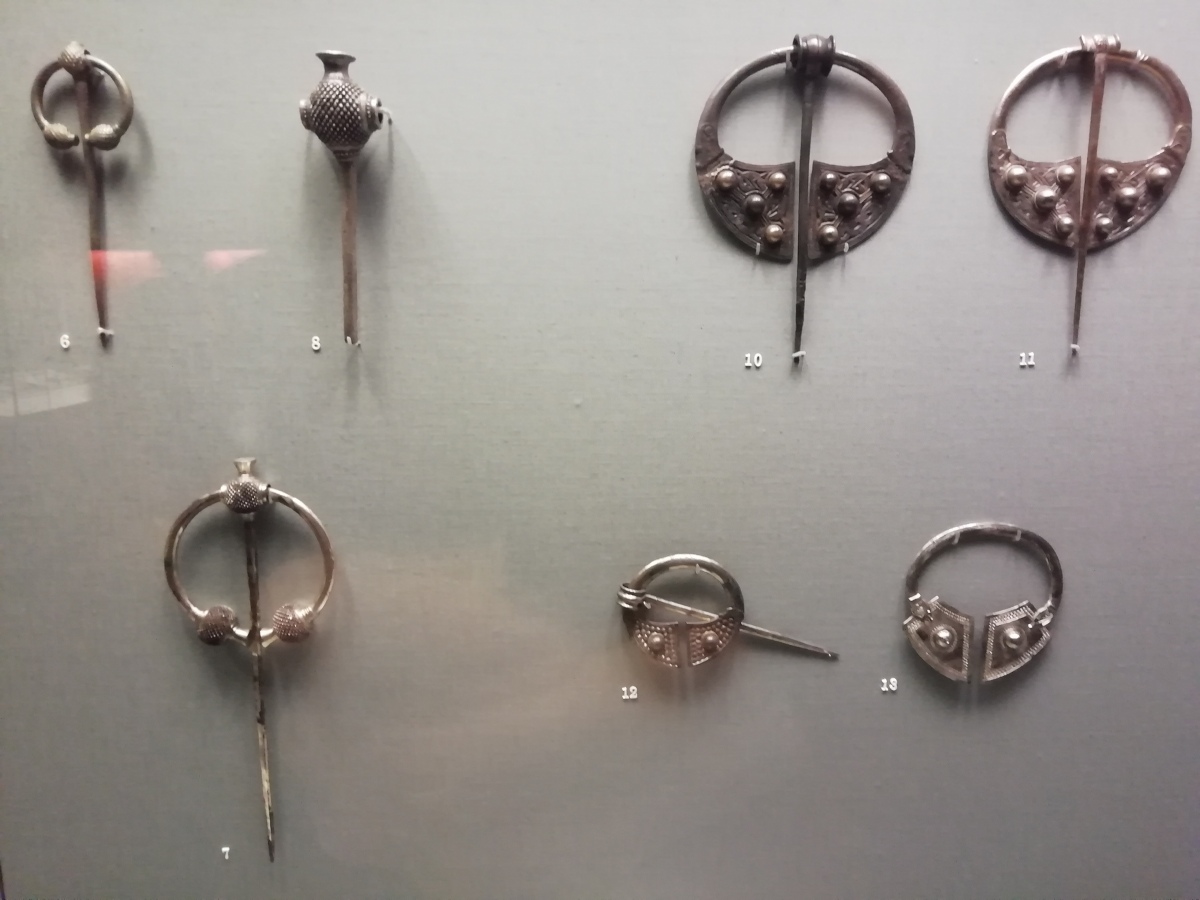
Broken pottery, cooking equipment, worn clothing accessories, and household tools can reveal how ancient communities worked, ate, maintained their homes, and cared for their families. Even human teeth and discarded food remains provide information about experiences that rarely appear in historical records. By examining these everyday materials alongside larger monuments, researchers can develop a more complete understanding of ancient societies.
Ancient Teeth Reveal Surprising Details About Health and Hygiene
Human teeth are among the most informative remains archaeologists can examine. Because tooth enamel is exceptionally durable, teeth often survive long after softer biological materials have disappeared. Dental wear, cavities, and accumulated calculus can reveal information about diet, health, and living conditions.Researchers can sometimes identify microscopic food particles preserved in hardened dental plaque, providing evidence of plants and other foods consumed centuries or even millennia ago. These discoveries also offer an interesting perspective on the development of oral hygiene, as ancient populations had different cleaning practices and lacked the scientifically developed dental products available today.
Modern consumers may compare stannous fluoride or sodium fluoride for toothpaste to understand the different properties of ingredients used in contemporary oral care. Both fluoride compounds help protect against tooth decay, while stannous fluoride can provide additional benefits for certain gum-health and sensitivity concerns, depending on the formulation.
Such comparisons highlight how dramatically dental care has evolved since antiquity, while preserved teeth allow archaeologists to investigate the consequences of ancient diets and changing lifestyles.
Household Pottery Reveals What Ancient People Ate
Pottery is one of the most commonly recovered materials at archaeological sites. Ceramic containers were widely used for cooking, storing food, transporting liquids, and completing household tasks. Although many vessels survive only as broken fragments, their shapes and materials can reveal their original purposes.Cooking pots may show evidence of exposure to heat, while storage containers can provide clues about agricultural production and food preservation. Scientific analysis has made these discoveries even more informative, allowing researchers to examine organic residues absorbed into ceramic surfaces.
At the Neolithic settlement of Çatalhöyük in present-day Turkey, analyses of deposits preserved on pottery helped researchers investigate ancient food preparation. The size and distribution of pottery vessels can also suggest whether meals were prepared within individual households or involved larger communal activities. These findings reveal details about ordinary diets that written documents rarely describe.
Clothing Accessories Help Reconstruct Ancient Fashion
Clothing provides important evidence about social identity, cultural traditions, and everyday responsibilities. Unfortunately, ancient textiles often deteriorate before archaeologists can recover them, making accessories produced from more durable materials particularly valuable.Brooches, belt fittings, jewelry, needles, and decorative fasteners can reveal how people dressed and maintained their clothing. A simple bronze pin might indicate how garments were secured, while elaborate jewelry could suggest access to valuable materials or specialized craftsmanship.
Archaeologists also examine objects associated with textile production, including spindle whorls and loom weights. These tools provide evidence of spinning and weaving activities, helping researchers understand how clothing was produced and how specialized skills contributed to local economies. Clothing was not only a matter of appearance but also reflected practical needs, available resources, and cultural expectations.
Ancient Homes Reveal Family and Community Life
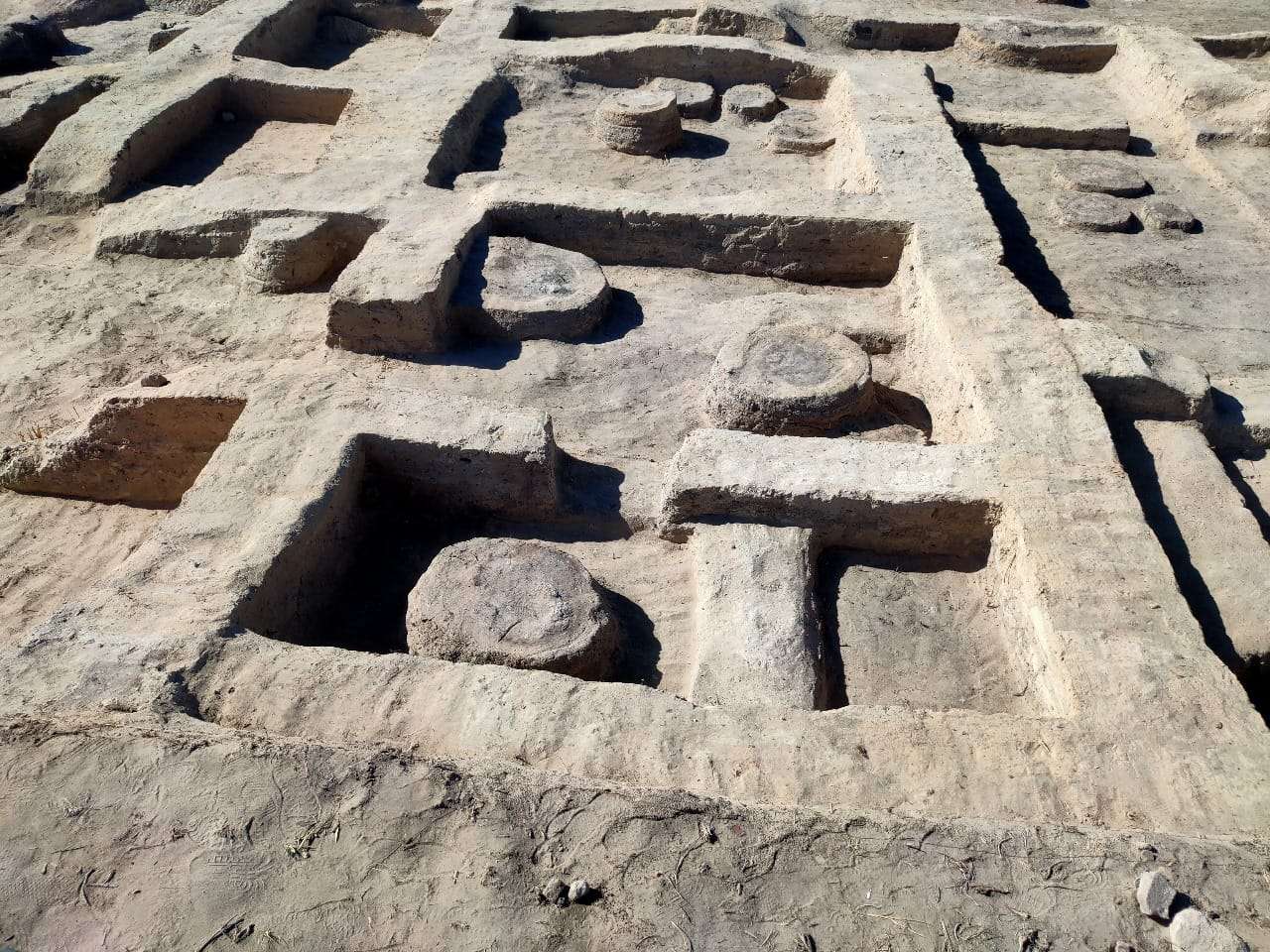
The remains of ordinary houses offer valuable information about how people organized their daily activities. Room arrangements, fireplaces, storage spaces, and household objects can suggest where families cooked, worked, slept, and gathered. At some archaeological sites, researchers have identified buildings containing several activity areas, illustrating how domestic spaces served multiple purposes.
Construction materials also reveal how communities adapted to their environments. Stone, mudbrick, timber, and other locally available resources influenced the appearance and durability of ancient homes. Differences in house size and decoration may suggest variations in wealth or social position, although archaeologists must interpret such evidence carefully.
The arrangement of buildings within settlements can also reveal relationships between households, streets, markets, and shared public spaces. By examining how people organized their living environments, researchers can learn about household responsibilities and community structures. These findings help transform ancient cities from collections of ruins into places where people carried out recognizable daily routines.
Tools and Workshops Explain How Ancient Economies Worked
Archaeological discoveries provide valuable evidence about occupations that supported ancient communities. Metalworking equipment, agricultural tools, pottery kilns, and woodworking implements help identify the types of work people performed. A workshop containing unfinished objects and discarded materials can reveal stages of production that finished products alone cannot explain.For example, pottery fragments found near a kiln may indicate local manufacturing rather than goods imported from another settlement. Such discoveries allow archaeologists to investigate how communities organized production and distributed resources.
Tools can also demonstrate how specialized knowledge developed and spread between communities. The discovery of similar objects across distant regions may suggest trade connections, shared techniques, or cultural exchange. These findings challenge the assumption that ancient economies depended entirely on agriculture, revealing the contributions of craftspeople, merchants, builders, and other skilled workers.
Small Discoveries Often Tell the Most Human Stories
Some of the most compelling archaeological finds are objects that appear insignificant at first. Children's toys, gaming pieces, personal ornaments, and repaired household items offer glimpses of activities that rarely appear in official histories.A repeatedly repaired container may suggest that its owner valued continued usefulness over replacement. Gaming pieces indicate that recreation and entertainment formed part of everyday life, while children's objects provide rare evidence of childhood experiences and family relationships.
However, archaeologists avoid assigning definite meanings to objects without sufficient supporting evidence. An unfamiliar item might have served several possible purposes, and its interpretation depends on where it was found and what surrounded it. This attention to context allows archaeology to move beyond collecting attractive artifacts and toward understanding the people who once used them.
Why Everyday Archaeology Matters Today
Archaeology helps people understand that ancient history was shaped by ordinary individuals as well as powerful leaders. Daily activities such as preparing meals, making clothing, maintaining homes, and caring for family members contributed to the development of civilizations.Scientific advances continue expanding what researchers can learn from objects that earlier generations might have overlooked. By combining traditional excavation with microscopic analysis and other research methods, archaeologists can reconstruct increasingly detailed pictures of the past.
Ultimately, the value of these discoveries lies in their ability to connect modern audiences with ancient human experiences. Despite enormous differences in technology and culture, many everyday concerns remain familiar. People needed food, shelter, clothing, health care, meaningful work, and opportunities for social interaction. Understanding these shared experiences makes the ancient world feel less distant and reveals the human stories hidden within its material remains.
