


How Local Archaeology Societies Plan Public Open Days and Festivals
Submitted by Andy_B on Wednesday, 14 October 2026 Page Views: 56
Resources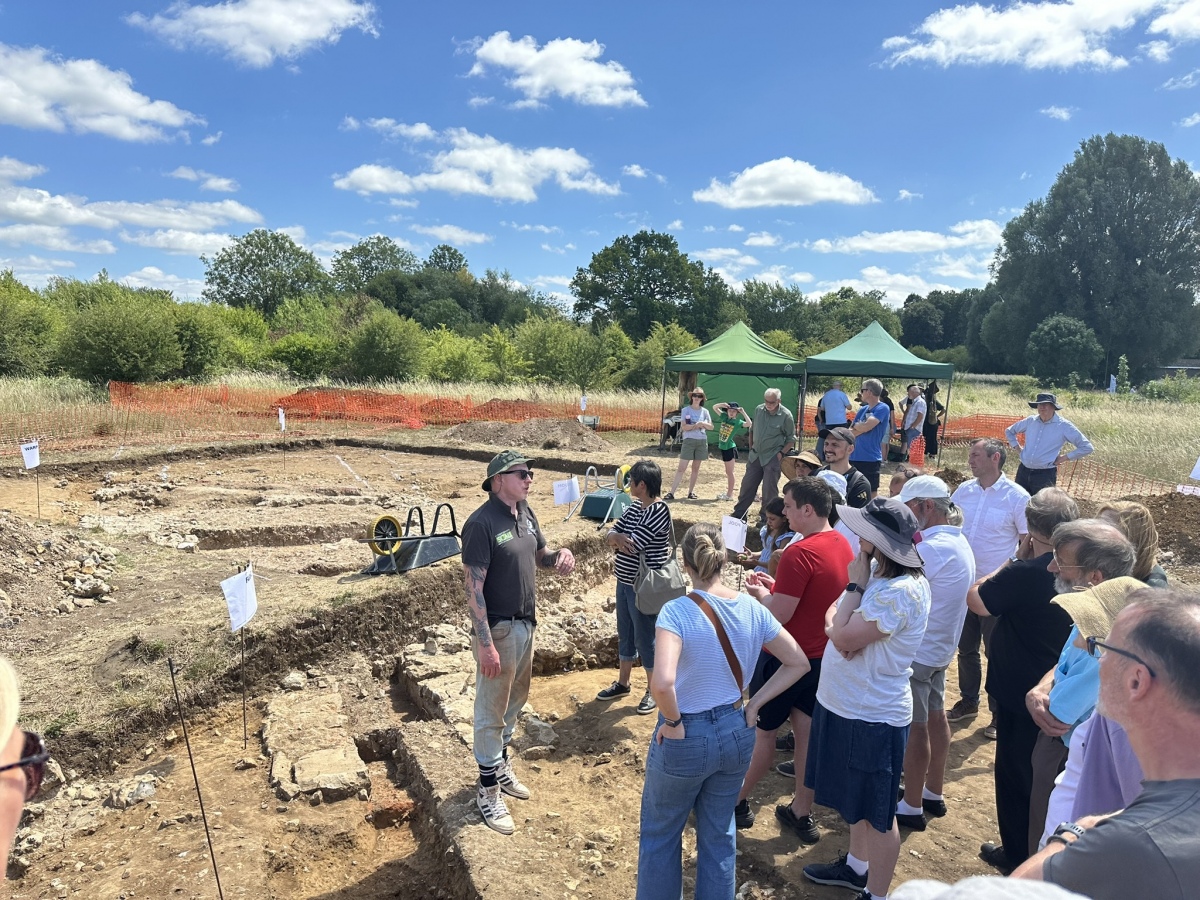
Choosing the Site, Date and Volunteers
Sites with safe access, level ground for stalls and nearby parking decide many of the choices that follow, so committees often walk the visitor route in spring and note any steps, mud or narrow gates. A summer weekend suits most groups, and many link the day to the Festival of Archaeology, whose listings of community excavations and open days bring in people already looking for something local. Volunteers are then matched to guiding, finds handling, stewarding and first aid, with a short briefing a week beforehand.Equipment and Logistics for Outdoor Events
Outdoor days usually need a marquee for displays and refreshments, simple staging or a few tables for talks, and a separate children's area kept well away from the trenches and finds trays, with a wet-weather fallback agreed before the date is announced. Societies that run an event every year sometimes decide to buy rather than hire, and they can see the range of bouncy castles for sale to compare sizes against the field or hall they use. The children's area works best close to the toilets and the refreshment tent, with one volunteer in charge of it all day and the power supply planned in advance.Activities That Keep Visitors Engaged
Short guided walks, a finds table and a talk on the hour give people something to join even if they arrive halfway through the day. Hands-on tasks tend to be the most popular, and one family open day near Berwick invited visitors to clean and record finds as well as handle Roman objects. Keeping each activity to about ten minutes stops queues building and lets younger visitors move between stations.A trowel demonstration, a pottery-sorting table and a short talk about what the society has found locally give adults something to stay for, and a simple map at the entrance helps people plan their route round the site. Clear signs from the nearest road and a friendly welcome point at the gate set the tone before anyone has seen a single trench. Stewards stationed at each stop can answer questions about the finds, and a collection bucket by the exit gives visitors an easy way to support the society's future digs, while a sign-up sheet there brings in new members and volunteers.
Afterwards, most societies note visitor numbers and feedback while the day is fresh, then record what worked on signage, queues, parking and quiet spells. Thanking the volunteers by name at the next meeting is a good habit too, since the same people are usually needed again, and keeping that short record with the committee papers gives next year's organisers a clear starting point, including which tasks took longer than expected.
