


The Enduring Appeal of Shapes and Motifs Inspired by the Ancient World
Submitted by Andy_B on Monday, 12 October 2026 Page Views: 23
Resources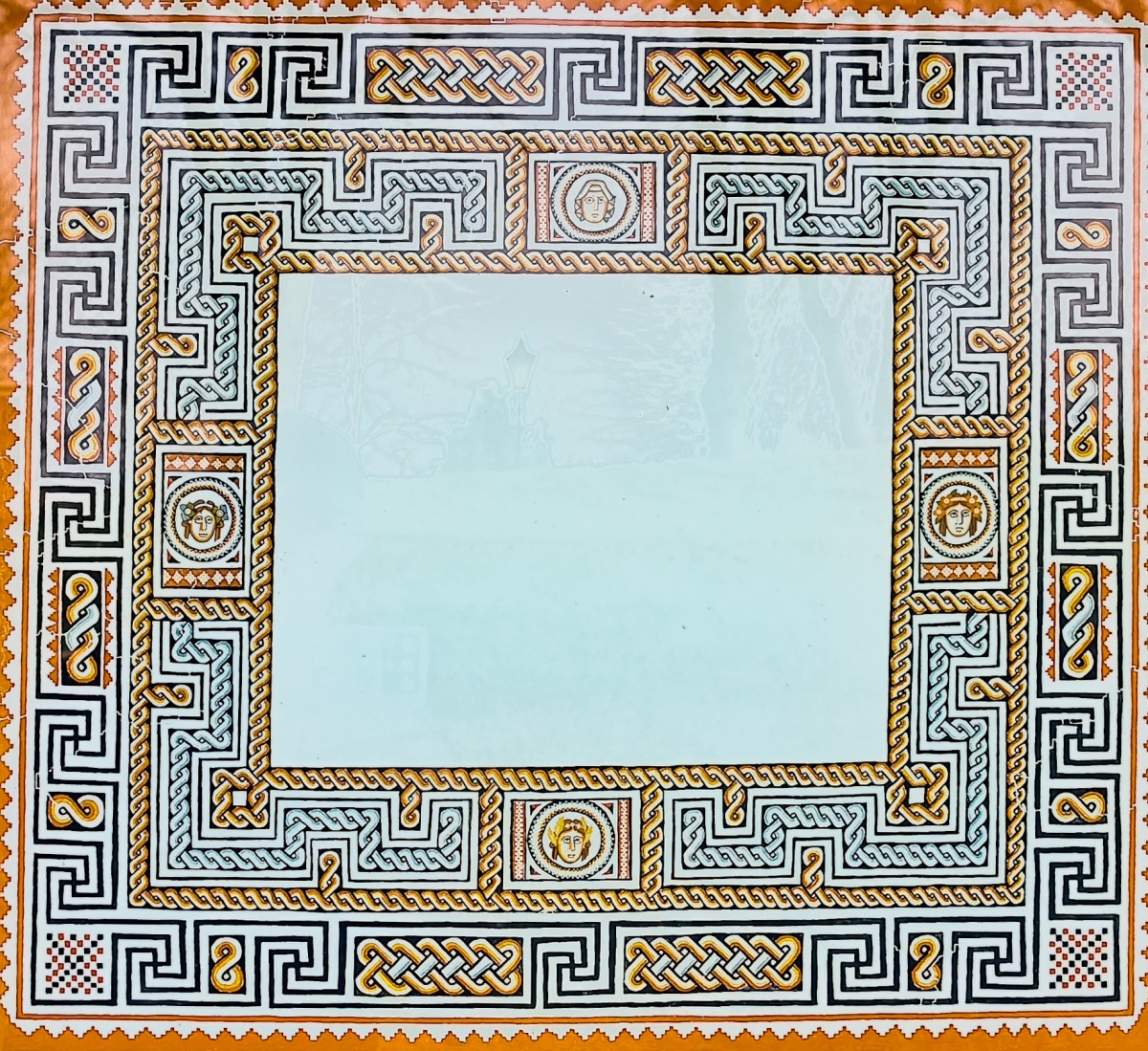
Geometric borders, laurel leaves, columns, repeating waves and stylised floral forms all carry echoes of much older visual traditions. Their survival is not only about nostalgia. These motifs work because they can be reduced, enlarged or simplified without losing their identity.
That flexibility allows ancient references to feel contemporary when they are used with restraint rather than copied literally.
Ancient Motifs Still Work in Modern Interiors
One reason classical design survives is that many of its patterns are highly adaptable.A Greek key border can look formal in stone or surprisingly modern when reduced to a simple line pattern. Laurel shapes can appear in textiles, while repeated arches and column-like forms can influence furniture, lighting and wall decoration without turning a room into a historical recreation.
Patterns found when you shop bedroom wallpaper can use repetition, symmetry and botanical forms in ways that quietly reference much older decorative traditions. The influence does not need to be literal for the visual language to feel familiar.
That is often what makes historical influence successful: the source is present, but the room still belongs to the present.
Geometry Gives Ancient Design Its Staying Power
Some of the most enduring motifs are also the simplest.Repeated lines, squares, circles and interlocking borders appear across ancient architecture, pottery and mosaics because they create rhythm without depending on detailed imagery.
Those same qualities make them useful today.
Geometric designs can fit into minimalist interiors just as easily as more traditional ones because they rely on proportion and repetition rather than ornament alone.
Scale changes the effect dramatically.
A small border can feel refined, while the same geometry enlarged across a wall or textile becomes much bolder.
This ability to shift between subtle and dramatic use helps explain why ancient-inspired geometry has never completely disappeared.
Botanical Motifs Connect Design With Nature
Leaves, vines and flowers were also common across the ancient world.
Laurel, acanthus and other plant forms appeared in sculpture, architectural decoration and household objects, often carrying symbolic meaning as well as visual appeal.
Modern design frequently strips away that symbolism while keeping the shape.
A simplified leaf pattern can work in wallpaper, fabric or decorative metalwork without needing any explicit historical reference.
The attraction comes partly from balance.
Botanical motifs add softness to rigid architecture and geometry, which makes them useful in spaces that would otherwise feel too severe.
That contrast between structured forms and organic shapes has been effective for centuries.
Architecture Still Borrows Ancient Proportions
Classical influence is not limited to decoration.Columns, arches, symmetry and proportion continue to shape buildings and interiors even when the overall style is contemporary.
A modern doorway may echo an ancient arch without ornament. Furniture can borrow the balanced proportions of classical architecture without including any literal columns or carved details.
This is where ancient influence becomes less visible but arguably more important.
Design principles can survive even after decorative references disappear.
The result is a sense of order that feels familiar because similar proportional ideas have been repeated across architecture for generations.
Fashion and Graphic Design Use the Same Visual Vocabulary
Ancient motifs move easily beyond architecture and interiors.Jewellery may use coin-like forms, meanders or sculptural profiles, while fashion designers regularly return to draping, metallic detailing and classical silhouettes.
Graphic design uses the same source material.
Borders, serif typography, wreaths and symmetrical compositions can create an immediate sense of heritage or permanence.
The risk is overuse.
When too many classical references appear together, the result can feel theatrical or overly formal. Modern designers usually achieve more by taking one recognizable element and simplifying it.
That selective approach allows ancient influences to remain fresh instead of feeling like imitation.
Ancient Design Endures Because It Can Change
The most successful historical motifs survive because they are not fixed.A shape that once appeared in a mosaic can become a modern textile pattern. A carved botanical detail can be reduced to a clean line drawing, while an architectural proportion can influence a room without being noticed consciously.
That ability to evolve is what keeps ancient design relevant.
The appeal is not simply that these motifs are old. It is that they are flexible enough to keep finding new contexts.
When designers borrow thoughtfully rather than copy literally, ancient visual language can feel surprisingly current. The past remains visible, but it becomes part of something new rather than a reconstruction of what came before.