

How Ancient Trade Changed the Way People Lived
Submitted by Andy_B on Monday, 26 October 2026 Page Views: 53
Resources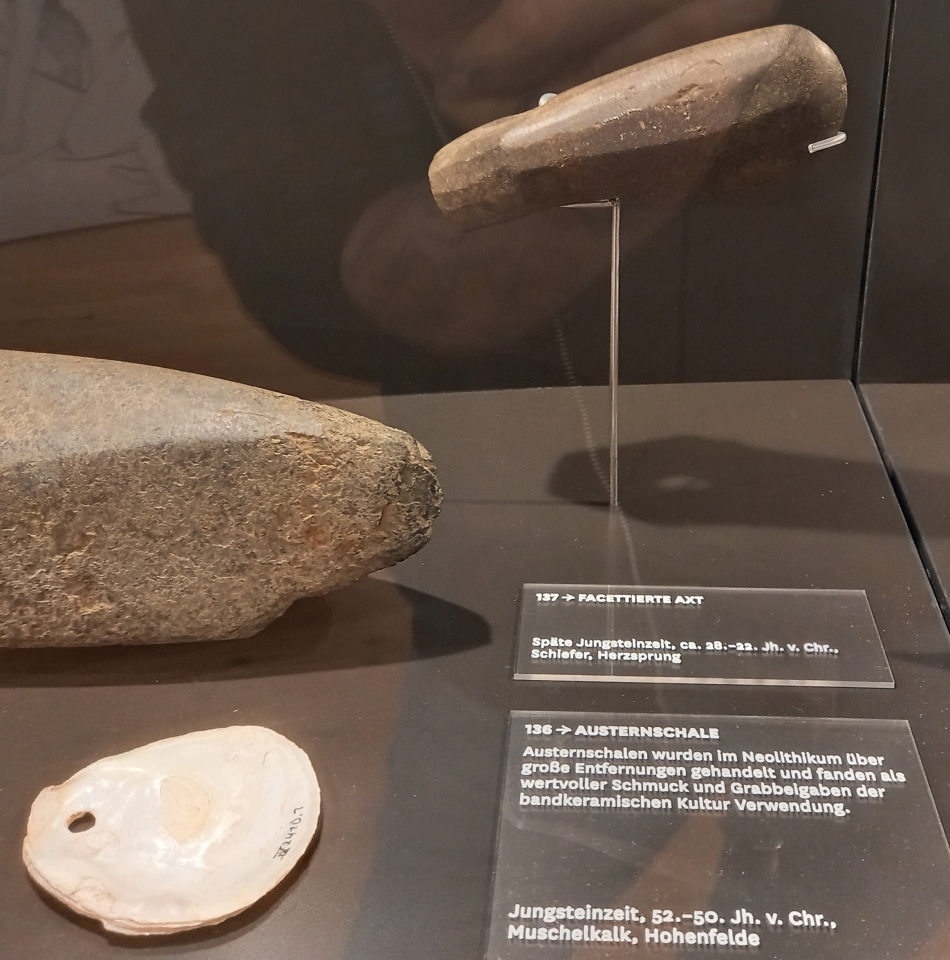
Ancient trade was about more than buying and selling. It helped people discover new places, share ideas, and build relationships with other communities. It also played an important role in the growth of cities and the development of early economies.
Looking at how people traded in the past helps us understand how the world became connected and why trade still matters today.
How Did Trade Start in Ancient Times?
In early communities, people mostly depended on the resources available around them. Farmers grew crops, craftspeople made tools, and others produced clothing, pottery, and everyday items.However, not every community had everything it needed. Some areas had fertile land, while others had access to metals, stone, or other valuable materials. People began exchanging their goods to get what was missing.
For example, a farming community might exchange extra grain for tools made by craftspeople from another settlement. Both sides benefited from the exchange.
This simple system helped people develop different skills. Instead of making everything themselves, they could focus on what they did best and trade for other necessities.
As settlements grew, these exchanges became more organised. Markets developed, more people became involved in trading, and communities started building stronger connections with neighbouring regions.
Ancient Trade Routes Connected Different Parts of the World
Trade routes helped people move goods between places that were sometimes hundreds or thousands of kilometres apart. Rivers, coastlines, and paths across deserts and mountains all played a part in the movement of goods.The Mediterranean Sea was an important area for maritime trade, connecting many ancient communities. In Asia, the networks known as the Silk Roads linked different regions and supported the exchange of products, knowledge, and cultural traditions.
Merchants carried goods such as textiles, spices, metals, and pottery. They also encountered people with different languages, beliefs, and ways of life.
These journeys were not always easy. Travellers faced bad weather, difficult roads, and the risk of losing their goods. A successful journey required planning, patience, and knowledge of the route.
Trade routes helped more than merchants. They allowed ideas and skills to travel between communities, influencing art, technology, and everyday life.
How Money Changed the Way People Traded
In the beginning, many exchanges depended on barter. People traded one product for another, but this could become difficult when the two sides did not agree on the value of their goods.Different societies developed ways to make exchanges easier. Commodity money and, later, coins helped people buy and sell goods without always needing to exchange one product directly for another.
Money also made it easier to compare prices and manage larger transactions. As trade expanded, merchants and administrators needed better ways to keep track of what they earned, spent, owned, and owed.
Written records became an important part of this process. In ancient Mesopotamia, for example, clay tablets were used to record goods and economic transactions.
The tools used today are very different, but businesses still need accurate financial records to understand their costs and make decisions.
For people interested in learning how financial information supports business decisions, the CMA course at LIFS is one option to explore. Management accounting focuses on areas such as budgeting, cost control, business performance, and planning.
The connection between ancient trade and modern accounting is simple: whenever people manage resources, they need a reliable way to understand their value.
What Ancient Trade Can Teach Us About Supply Chains
Imagine a large construction project in the ancient world. Workers needed stone, timber, tools, and food. These supplies had to reach the right place at the right time, often without modern vehicles or communication systems.Organising such work required people to plan where materials would come from, how they would be transported, and how available resources would be used.
Trade worked in a similar way. Merchants had to find suppliers, arrange transportation, protect their goods, and make sure products reached buyers.
Modern supply chains follow the same basic idea, although technology has changed how everything works. Businesses now use transport networks, inventory systems, and digital tools to move products between suppliers and customers.
Procurement professionals help companies choose suppliers, negotiate prices, and purchase the goods and services they need.
People interested in this career field can explore the programmes offered by LILSC Dubai Institute to learn more about procurement and supply chain management qualifications, including CIPS-related study options.
While ancient merchants did not have modern procurement systems, their work still shows why planning, communication, and good supplier relationships are important.
Why Trade Helped Ancient Cities Grow
Many settlements grew because they were located near important trade routes, rivers, or natural harbours. These locations made it easier for merchants to bring goods from other regions.As more traders arrived, local businesses and craftspeople had new opportunities to sell their products. Markets became busier, and people began offering services to support commercial activity.
Over time, some settlements developed into major centres of trade and culture.
Trade could also bring problems. Communities sometimes competed for valuable resources or control of important routes. Wealth was not always shared equally, and political conflicts could interrupt commercial activity.
Even so, trade helped connect communities and played a major role in the development of many ancient societies.
Archaeologists can learn a great deal from objects discovered at historical sites. Pottery from another region, imported materials, and evidence of local production can help researchers understand how communities interacted with one another.
What Can We Learn From Ancient Trade Today?
Although modern business looks very different from trade in ancient times, some important lessons remain the same.Planning makes a difference. Merchants had to prepare for long journeys and manage limited supplies. Businesses today also need to plan their budgets, deliveries, and resources carefully.
Trust matters. Trade works better when people keep their promises and maintain good relationships. This remains important when companies work with suppliers and customers.
Keeping records helps people make decisions. Ancient records helped track goods and transactions. Modern businesses use financial reports and digital systems to understand their performance.
People need to adapt. Trade routes changed over time because of new opportunities, political developments, and other challenges. Businesses today must also respond to changing markets and customer needs.
These lessons show that trade has always required people to solve problems, manage resources, and work with others.
Frequently Asked Questions
Why was trade important in ancient civilisations?
Trade helped people obtain goods they could not produce locally. It also encouraged the development of specialised skills, connected different communities, and supported the growth of towns and cities.What goods did ancient people trade?
The goods varied by region and period, but commonly traded items included food, pottery, textiles, metals, spices, and other valuable materials.How did ancient trade influence modern business?
Ancient trade helped develop systems for exchanging goods, managing resources, and maintaining commercial relationships. These basic ideas remain important in modern business, even though the technology and methods have changed.What is the connection between ancient trade and supply chain management?
Both involve moving goods between different locations and making sure resources reach the people who need them. Modern supply chains use advanced technology, but planning and coordination remain essential.Why do archaeologists study objects found at ancient trade sites?
Objects can provide evidence of contact between different communities. Their materials, designs, and locations can help researchers understand trade routes, cultural exchange, and the movement of goods.Conclusion
Trade helped shape human history in many ways. It connected distant communities, supported the growth of cities, and encouraged people to develop new skills and ways of working together.From the first exchanges of everyday goods to the development of money and long-distance trade routes, people gradually created more organised ways to manage resources and exchange value.
Modern commerce has changed enormously, but the need for planning, reliable information, and strong relationships remains. By learning about ancient trade, we can better understand how people built the economic connections that continue to shape our world today.