
Essential Outdoor Gear for Exploring Historic and Remote Sites
Submitted by Anonymous on Saturday, 03 October 2026 Page Views: 190
Resources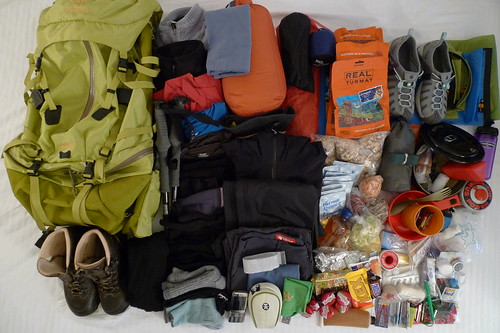 " width="500" height="334" alt="Backpacking!"/>
Exploring historic and remote sites can be an unforgettable experience. Old ruins, abandoned buildings, mountain trails and forgotten landmarks can reveal stories that are easy to miss from a distance.
These places can also be challenging to reach. Uneven ground, changing weather and limited facilities can make a well-planned trip much easier.
" width="500" height="334" alt="Backpacking!"/>
Exploring historic and remote sites can be an unforgettable experience. Old ruins, abandoned buildings, mountain trails and forgotten landmarks can reveal stories that are easy to miss from a distance.
These places can also be challenging to reach. Uneven ground, changing weather and limited facilities can make a well-planned trip much easier.The right outdoor gear helps you stay comfortable and prepared. It can also make your equipment easier to organise and identify.
Why Good Gear Matters in Remote Locations
Remote sites are often far from shops, roads and other basic facilities. You may need to carry everything you need for the day.A reliable backpack, suitable clothing and basic safety equipment should be part of your kit.
Good gear should be practical rather than excessive. Every item should have a clear purpose.
Before leaving, check the weather and research the route. Also consider the condition of the site and any access restrictions.
Essential Gear for Historic Site Exploration
Your equipment will depend on the location and length of your trip. However, several items are useful for most outdoor visits.1. Durable Backpack
A strong backpack is one of the most useful pieces of outdoor equipment.Choose a size that can hold your water, food, first-aid supplies, navigation tools and extra clothing.
Multiple compartments can also help keep smaller items organised.
2. Comfortable Outdoor Clothing
Historic sites may involve walking across rough or uneven ground. Comfortable clothing can make a long day much easier.Wear layers when the weather may change. Lightweight waterproof clothing is useful when rain is possible.
Avoid clothing that restricts movement.
3. Reliable Footwear
Good footwear is essential when exploring remote areas.Walking boots with suitable grip can provide better stability on muddy paths, loose stones and uneven surfaces.
Choose footwear based on the terrain rather than appearance.
4. Navigation Equipment
Mobile phones are useful, but remote areas may have limited signal.A physical map and compass can provide an additional navigation option.
Download maps before leaving if your phone supports offline navigation.
5. Water and Food
Always carry enough drinking water for your planned route.Pack food that is easy to carry and does not require complicated preparation. Energy bars, dried fruit and other lightweight snacks can be useful.
For longer trips, consider a suitable water filtration or purification system.
6. First-Aid Kit
A compact first-aid kit should be part of your outdoor equipment.It can contain items such as:
• Plasters
• Gauze
• Antiseptic wipes
• Medical tape
• Disposable gloves
• Blister treatment
• Basic pain relief
Check your kit before every trip and replace used or expired items.
Protecting Your Equipment from the Weather
Weather can change quickly in remote locations.Rain can damage electronics, maps and other equipment. A waterproof backpack cover or dry bags can help protect important items.
For wet conditions, keep essential equipment in separate waterproof containers.
This is especially useful when walking for several hours.
Useful Accessories for Outdoor Equipment
Small accessories can make your equipment easier to manage.Carabiners can help attach lightweight items to a backpack. Head torches are useful when visibility is poor. Reusable pouches can keep small equipment together.
Labels and custom patches online can also help identify personal gear.
Using Custom Patches on Outdoor Gear
Patches are not only decorative. They can also add a personal touch to outdoor equipment.A patch can display a name, logo, group identity or location connected to your trip.
Custom patches are particularly useful when you want a design made specifically for your outdoor group or equipment.
For example, hiking clubs, exploration groups and outdoor communities can create patches featuring their own logo or emblem.
PVC Patches for Outdoor Use
PVC patches are a practical option for outdoor equipment.They are waterproof and resistant to many outdoor conditions. Their raised design can also create a bold appearance.
They work well on suitable backpacks and gear fitted with hook-and-loop panels.
Embroidered Patches
Embroidered patches offer a traditional fabric appearance.They can be suitable for jackets, bags, hats and outdoor clothing where a classic stitched look is preferred.
Woven Patches
Woven patches have a smooth surface. They can work well when a design contains smaller lettering or fine details.The choice depends on the artwork and where the patch will be used.
Personalising Your Exploration Gear
Outdoor equipment can quickly start to look similar, especially when several people are carrying the same type of backpack.Personalised custom patches can make individual gear easier to recognise.
You can include:
• Your name
• A group logo
• A hiking club emblem
• A location name
• An expedition design
• A personal symbol
• A memorable date
Keep the design simple if the patch will be small. Clear lettering is easier to read.
Gear for Different Types of Historic Sites
Different locations require different preparation.| Location | Useful Gear |
|---|---|
| Old ruins | Boots, gloves, water and first-aid kit |
| Mountain trails | Layers, navigation tools and trekking poles |
| Remote forests | Waterproof gear, navigation tools and insect protection |
| Historic villages | Comfortable footwear, water and weather protection |
| Coastal sites | Waterproof clothing, suitable footwear and sun protection |
| Abandoned outdoor structures | Protective clothing, torch and first-aid supplies |
Always follow local rules. Some historic sites may prohibit entry into certain structures or areas.
Safety Tips for Remote Exploration
Preparation should come before adventure.Tell someone where you are going and when you expect to return. Keep your phone charged and carry a backup power bank when practical.
Avoid entering unstable buildings or restricted areas. Historic structures may have damaged floors, weak roofs or hidden hazards.
Stay on permitted routes whenever possible.
Weather should also influence your plans. Heavy rain, strong winds or extreme temperatures can make some routes unsafe.
Respecting Historic Places
Historic sites are valuable cultural and archaeological resources.Do not remove stones, objects or other materials from the location. Avoid damaging walls, structures or markings.
Leave the area as you found it.
Photography is usually a great way to preserve the memory of a visit without affecting the site.
A Simple Outdoor Packing Checklist
Before leaving, check your main equipment.Clothing
• Comfortable walking trousers• Weather-appropriate layers
• Waterproof jacket
• Suitable walking boots
• Extra socks
Navigation
• Offline map• Physical map
• Compass
• Charged mobile phone
• Power bank
Safety
• First-aid kit• Torch or head torch
• Emergency contact details
• Water
• Food or snacks
Equipment
• Durable backpack• Waterproof bags
• Reusable water bottle
• Personal identification
• Custom patches or gear labels
How to Prepare Before Your Trip
Good preparation can prevent many common problems.Start by researching the location. Check the route, weather, access rules and available facilities.
Then make a packing list based on the conditions.
Avoid taking unnecessary equipment. A lighter backpack is usually easier to carry over long distances.
Finally, tell someone about your plans before heading into an isolated area.
Final Thoughts
Exploring historic and remote sites can combine adventure, nature and a sense of discovery. The experience becomes much easier when your equipment matches the environment.Start with the essentials. Carry reliable clothing, footwear, navigation equipment, water and basic safety supplies.
Small details can also make a difference. Custom patches online provide a simple way to personalise outdoor clothing and gear with a name, logo or group design.
With thoughtful preparation and respect for the places you visit, you can explore responsibly while keeping your equipment practical and personal.