


Study of Sumerian and Akkadian languages reveal a lost world
Submitted by coldrum on Friday, 22 April 2011 Page Views: 3887
Other ArchaeologyCountry: Iraq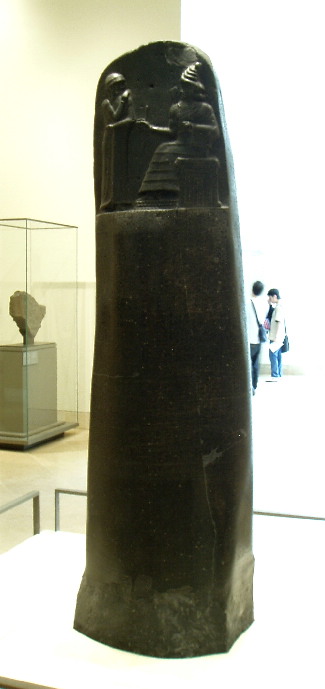
Sumerian appeared first, almost 5,000 years ago around the year 3,100 B.C. This writing was scratched into soft clay tablets with a pointed reed that had been cut into a wedge shape. Archaeologists call this first writing "cuneiform," from the Latin "cuneus," meaning wedge.
Sumerian and Akkadian were the languages of the ancient Mesopotamian civilization, which flourished during the Bronze Age in a region often called the Cradle of Civilization, because it gave birth to the world's first complex urban cultures. Here not only written languages, but important advances in science, mathematics, art and politics were developed. Rubio talked to LiveScience about what these ancient people's leftover love poetry and sales receipts reveal about a lost world.
Read the interview with Live Science.


 We would like to know more about this location. Please feel free to add a brief description and any relevant information in your own language.
 Wir möchten mehr über diese Stätte erfahren. Bitte zögern Sie nicht, eine kurze Beschreibung und relevante Informationen in Deutsch hinzuzufügen.
 Nous aimerions en savoir encore un peu sur les lieux. S'il vous plaît n'hesitez pas à ajouter une courte description et tous les renseignements pertinents dans votre propre langue.
 Quisieramos informarnos un poco más de las lugares. No dude en añadir una breve descripción y otros datos relevantes en su propio idioma.