



Spent All Day Exploring Ancient Sites? Here’s How to Recover for Tomorrow
Submitted by Andy_B on Monday, 21 September 2026 Page Views: 23
Resources
The challenge becomes even greater on trips built around several historic sites. One demanding day may be followed by another morning of temples, fortresses, archaeological parks, museums, or old city streets. By evening, tired legs and aching feet can make the next day’s itinerary look far less appealing.
Good recovery does not need to consume the entire evening. A few simple habits can help the body settle down, restore energy, and make another full day of exploring feel manageable.
Give Your Legs a Real Chance to Relax
After hours of walking, the temptation is often to return to the hotel and collapse immediately. Rest certainly helps, but a deliberate wind-down can feel much better than simply spending the evening in the same position.Travelers staying somewhere with wellness facilities may want to use them as part of that routine. A sauna can offer a quiet transition between a demanding sightseeing day and a slower evening, while those interested in creating a similar relaxation setup at home can explore options at https://premiumsaunas.com/.
Even without access to spa facilities, a warm shower, a few minutes of gentle stretching, and putting the feet up can help make the evening more comfortable. Focus especially on calves, hips, lower back, and feet, which often take the biggest beating on days filled with stairs and uneven ground.
The goal is not another workout. Recovery should feel easy.
Replace What the Day Took Out of You
Long sightseeing days can quietly interfere with normal eating and drinking habits. Travelers may skip lunch to fit in another attraction, rely on coffee for energy, or forget to drink enough water while moving between sites.By the time dinner arrives, fatigue may partly be the result of simply not replacing enough fluids and energy.
Start with water before heading out for the evening. If the day involves heat or heavy sweating, food and drinks containing electrolytes can also be useful. Dinner should be satisfying without becoming so heavy that it disrupts sleep.
A meal combining carbohydrates, protein, vegetables, and something enjoyable usually makes more sense than treating recovery like a strict nutritional exercise. Local cuisine can absolutely remain part of the trip. The point is simply to eat enough to support another active day.
Take Better Care of Your Feet
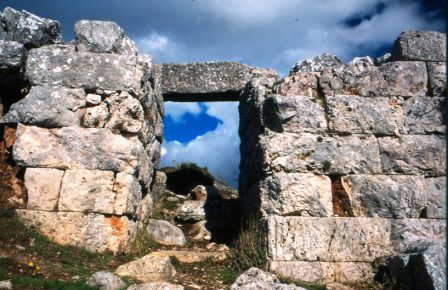
Photo: Fili Fortress submitted by Antonios
Ancient sites are rarely designed for comfortable walking. Cobblestones, worn steps, gravel paths, steep slopes, and hard stone surfaces can turn even supportive shoes into a test by late afternoon.
When returning to the hotel, take shoes and socks off and give the feet a few minutes to cool down. Check for areas that feel unusually sore or irritated before they become bigger problems the next day.
Blisters are especially frustrating because a tiny hotspot in the evening can become a major distraction after another 15,000 steps. Carrying basic blister protection during the trip can prevent a minor irritation from changing the next day’s plans.
It may also help to alternate shoes if luggage space allows. Wearing the same pair every day can repeatedly place pressure on identical areas of the feet.
Do Less in the Evening Than You Think You Should
Travel creates a strange pressure to maximize every hour. After spending the day at archaeological sites, travelers may still feel they should visit a market, explore another neighborhood, book a late dinner, and find somewhere for drinks.Sometimes that works. Sometimes it simply turns one demanding day into two.
An easier evening does not mean wasting vacation time. A relaxed meal near the hotel, a short walk, or an hour spent sitting somewhere pleasant can become part of the travel experience rather than a break from it.
This is especially useful halfway through a busy itinerary. Preserving some energy tonight can mean enjoying tomorrow’s major attraction instead of dragging through it exhausted.
Not every evening needs to become another sightseeing session.
Prepare Tomorrow Before Going to Bed
Morning decisions feel much harder when the body is already tired. A few minutes of preparation the night before can remove unnecessary friction.Refill the water bottle, charge the phone and camera, check opening times, and place tickets somewhere easy to find. Decide what to wear and make sure comfortable shoes are ready.
It is also worth looking realistically at the next day’s route. If several sites are spread across a large area, decide in advance which ones matter most. Building in a café stop or slower lunch can prevent another day from becoming an endurance challenge.
Travel plans often improve when there is enough flexibility to skip something without feeling the entire day has failed.
Protect Your Sleep Instead of Extending the Day
Sleep is one of the easiest parts of recovery to sacrifice while traveling. There is always another bar, another street to explore, or another hour spent sorting through photographs from the day.But when tomorrow includes another several hours on foot, staying up late can make the morning unnecessarily difficult.
Give the body some time to settle before bed. Lower the room temperature if possible, reduce screen time, drink enough water without overdoing it immediately before sleep, and avoid turning bedtime into another planning session.
A slightly earlier night can completely change the following morning. Instead of waking stiff, tired, and already behind schedule, travelers can start the day with enough energy to appreciate what they came to see.
Ancient sites reward curiosity, but they also demand more physically than many travelers expect. The best itineraries recognize that recovery is part of the experience. Taking care of tired legs, feet, hydration, food, and sleep tonight can make tomorrow’s ruins, temples, and historic streets feel exciting again rather than like another long walk.
