



Ancient Rituals to Modern Reels: How Games of Chance Have Evolved
Submitted by Andy_B on Sunday, 20 September 2026 Page Views: 15
Resources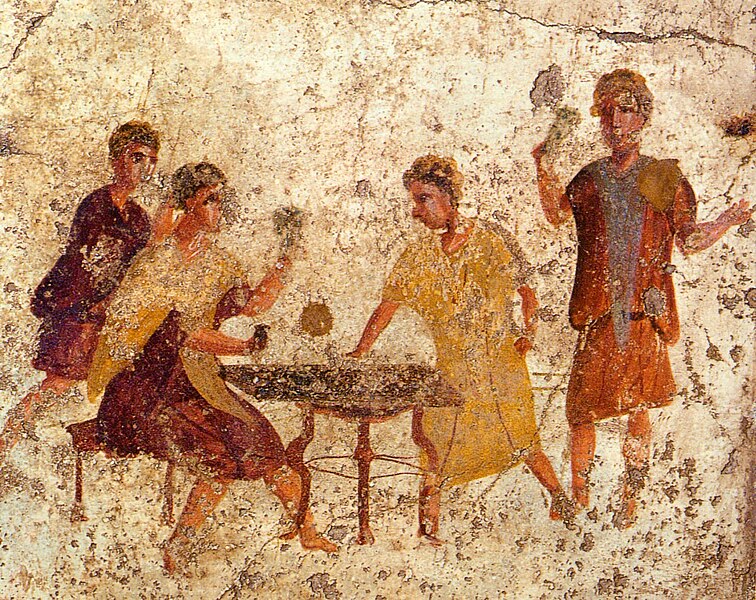
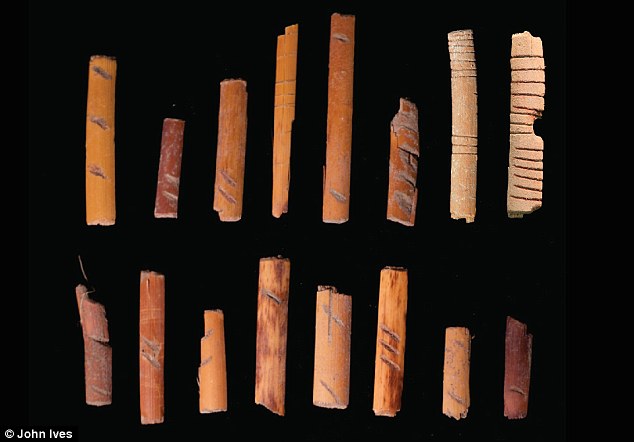
Walk through any museum of ancient artifacts and you will spot dice. Not plastic ones. Carved bone, ivory, even stone.
Some people enjoyed a gamble much as we do today. They just used different tools. This piece traces that long, strange road. We start at ancient rituals and end at your phone screen. Along the way, you will see why humans never stopped chasing chance.
Why Ancient Civilizations Loved Games of Chance
Ancient people did not separate luck from religion. The two lived together in daily life. Rolling dice often meant asking the gods a question, not just passing time.The Egyptians played a board game called Senet. Archaeologists found sets in tombs dating back 5,000 years. Players believed the game mirrored a soul's journey to the afterlife.
Meanwhile, in Mesopotamia, people used sheep knucklebones as dice. These bones, called astragali, were cheap and everywhere. You could grab a handful from any butcher.
Here is what made these early games so powerful:
• They connected chance with divine will
• They built social bonds during long winters
• They gave people a break from harsh daily labour
• They created early forms of competition and status
Chance was not entertainment alone. It was a language people used to talk to something bigger than themselves.
Dice, Divination, and the Birth of Betting Culture
Rolling dice for guidance sounds strange now. Back then, it made perfect sense. Priests and oracles used dice to answer questions from kings and farmers alike.Ancient India developed a dice game called Chausar. It appears in the Mahabharata, one of the oldest epic texts on record. A king loses his kingdom in a rigged dice match, which tells you how seriously people took the stakes.
China ran its own path too. Keno-style lottery games funded the Great Wall, according to popular legend. True or not, the story shows how deeply gambling wove into major historical projects.
The table below shows how different ancient cultures approached games of chance:
| Civilization | Game or Tool | Primary Purpose |
|---|---|---|
| Ancient Egypt | Senet | Spiritual guidance |
| Mesopotamia | Astragali (bone dice) | Everyday betting |
| Ancient India | Chausar | Royal contests |
| Ancient China | Keno-style lottery | Funding public works |
| Ancient Rome | Tali (dice) | Social entertainment |
Notice a pattern? Every culture found its own reason to embrace chance. The tools changed, but the human urge stayed constant.
Rome, Wagers, and the First Gambling Laws
Romans took gambling further than most ancient societies. Soldiers gambled during long marches. Senators wagered on chariot races. Even emperors joined the fun, sometimes badly.Emperor Claudius reportedly wrote a book about dice strategy. He also had a carriage built with a built-in gaming board. That is dedication most modern players would admire.
But Rome also created the first known gambling restrictions. Betting was technically illegal outside of festivals like Saturnalia. People broke that rule constantly, much like modern tax loopholes get stretched.
A few Roman gambling facts worth knowing:
1. Dice games were common among all social classes
2. Cheating dice, weighted unevenly, have been found by archaeologists
3. Gladiator fights often carried heavy public betting
4. Chariot races functioned like ancient sportsbooks
Rome proved something important early on. Wherever there are rules against betting, people find creative ways around them.
Medieval Wagering and the Rise of Card Games
The Middle Ages brought a major shift. Playing cards arrived in Europe, likely through trade routes from Asia. This single invention changed everything about how people gambled.Cards were portable, cheap, and endlessly customizable. Taverns became hotspots for card wagers. Kings sometimes banned card games, fearing they distracted soldiers from duty.
France gave us early versions of poker's ancestors. Italy contributed Tarot-style decks used for both storytelling and betting. Germany added its own regional variations, each with unique suits and rules.
Interestingly, church leaders often condemned gambling during this era. Yet monasteries themselves sometimes hosted quiet dice games behind closed doors. Old habits, it seems, rarely disappear completely.
From Saloons to Slot Machines: The Modern Casino Emerges
Fast forward to the 1800s. The American Wild West turned gambling into a full-blown industry. Saloons ran poker tables nightly, often alongside questionable business deals.Charles Fey changed history in 1895. He built the Liberty Bell, the first true slot machine. Suddenly, chance did not need a human dealer at all.
Las Vegas took the concept and ran with it decades later. Neon lights replaced dusty saloons. Casinos became architectural spectacles built purely around chasing luck.
Here is how gambling venues evolved over roughly 150 years:
• 1800s saloons: informal poker and dice tables
• Early 1900s: mechanical slot machines spread across bars
• Mid-1900s: Las Vegas becomes a global gambling capital
• Late 1900s: casinos expand into full resort experiences
• 2000s onward: online platforms bring casinos into every home
Each step made gambling faster, more accessible, and more visually thrilling.

The Digital Leap: How Online Casinos Reshaped Everything
Today, you do not need a trip to Vegas. Your phone holds an entire casino floor. This shift happened faster than most industries could adapt.Online platforms recreated classic games with digital precision. Blackjack, roulette, and slots moved seamlessly into browser windows. Live dealer streams even brought back that human touch people missed.
What makes online play different from ancient rituals? Honestly, less than you might expect. People still chase luck. They still enjoy the social buzz of shared risk.
Modern platforms often welcome new players with signup offers and bonus codes. If you browse casino forums, you will spot mentions like Revery Play and their promotions for newbies popping up regularly among players comparing current deals. It shows how promotional culture became part of the modern gambling experience, much like festival betting once was in ancient Rome.
Technology did not kill the ritual. It just moved the ritual online.
How Historians and Collectors Preserve This Legacy Today
Museums across the UK now dedicate entire wings to gaming history. The British Museum holds ancient dice, gaming boards, and betting tokens spanning several continents and thousands of years.Private collectors play a surprising role too. Auction houses regularly sell Roman dice, medieval playing cards, and early slot machine prototypes. Some pieces fetch thousands of pounds from dedicated enthusiasts.
Universities have also taken notice. Archaeology departments increasingly study gaming artifacts as windows into daily life, social structure, and belief systems of ancient societies. A dice cup, it turns out, can reveal quite a lot about a civilization.
Local heritage groups here in Britain sometimes organize exhibitions specifically focused on gambling history. Stone circles and ancient burial sites occasionally reveal gaming pieces buried alongside their owners, suggesting these objects held deep personal significance.
A few institutions actively preserving this history include:
• The British Museum's ancient games and leisure collection
• Regional archaeology museums with Roman-era artifacts
• Private numismatic and gaming token societies
• University research departments studying ludic archaeology
This preservation matters because it connects modern players to something genuinely ancient. Every time someone shuffles a deck of cards, they participate in a tradition stretching back millennia.
What Archaeologists Still Don't Fully Understand
Despite decades of research, plenty of mysteries remain unsolved. Historians still debate exactly how certain ancient games were scored, or whether specific rules varied by region.Some artifacts raise more questions than answers. Weighted dice found in Roman ruins suggest cheating existed early on, yet nobody knows exactly how widespread the practice actually was.
Written records rarely explain rules in full detail. Ancient authors assumed readers already understood common games, much like nobody today bothers explaining how a standard deck of cards works.
This gap creates ongoing debate among historians:
1. Whether Senet had a fixed rule set or regional variations
2. How widely dice-based divination practices actually spread
3. Whether certain games carried religious meaning universally
4. How betting stakes were typically enforced or regulated
These open questions keep archaeology genuinely exciting. Every new excavation carries the possibility of rewriting what we thought we understood about ancient leisure.
Final Thoughts
Gambling never really changed at its core. Humans still crave that spike of uncertainty. We still want a story where luck decides the outcome.From Egyptian tombs to online slot reels, the tools evolved constantly. Bone dice became plastic chips. Plastic chips became pixels on a screen. Yet the emotional pull stayed exactly the same.
Maybe that is the real lesson here. Chance connects us across thousands of years, cultures, and continents. It always has, and it probably always will.
