

Living History: Why Restored Countryside Fincas Offer the Ultimate Spanish Getaw
Submitted by Andy_B on Friday, 25 September 2026 Page Views: 5
Resources When travelers picture a Spanish vacation, minds often wander to the sun-soaked beaches of the Costa del Sol or the architectural marvels of Barcelona and Madrid. Yet, tucked away beyond the bustling coastal resorts and lively urban plazas lies another side of Spain—one defined by rolling olive groves, rugged mountain ranges, medieval stone villages, and a slower, deeply rooted way of life.
For history enthusiasts and mindful travelers, exploring rural Spain offers an extraordinary journey into the past. One of the most authentic ways to experience this rich heritage is by stepping away from standard resort hotels and staying in a restored traditional countryside *finca*.
These historic stone farmhouses and agricultural estates provide far more than mere shelter; they serve as living monuments to Spain's regional architecture, local traditions, and natural beauty.
What Is a Traditional Spanish Finca?
Historically, the term *finca* referred to an estate or parcel of agricultural land, often anchored by a substantial stone farmhouse (*casa rural*). For centuries, these estates functioned as the backbone of rural Spanish life, producing wine, olive oil, citrus fruits, or livestock.Depending on the region, these traditional properties carry distinct architectural identities:
• Andalusia: Whitewashed walls, cool inner courtyards (*patios*), terracotta tile roofs, and wrought-iron balconies designed to deflect the Mediterranean heat.
• The Balearic Islands (Majorca & Minorca): Heavy limestone walls, vaulted ceilings, and sprawling terracotta terraces surrounded by ancient olive and almond trees.
• Northern Spain (Galicia & Catalonia): Sturdy, rustic stone farmhouses (*masías* in Catalonia or *pazos* in Galicia) built to withstand mountain winds and greener, rainier climates.
Today, many of these historic structures have been thoughtfully restored. Skilled craftspeople preserve original elements—exposed wooden beams, hand-carved stone doorways, and traditional tilework—while integrating modern luxuries like en-suite bathrooms, gourmet kitchens, and private swimming pools.
The Appeal of Slow Travel in the Spanish Countryside
Choosing a restored finca aligns perfectly with the philosophy of slow travel—an approach that emphasizes immersion, sustainability, and deep connection over hurried sightseeing.
1. Authentic Connection to Regional Architecture
Immersing yourself in the history of a region goes beyond visiting museums—it extends to where you choose to stay. Across rural Spain, centuries-old traditional fincas and stone farmhouses have been thoughtfully restored into holiday homes, offering guests a direct connection to regional architectural traditions. Staying in a countryside home surrounded by ancient olive groves or ancient stone terracing provides an ideal base for exploring nearby historic sites and walking routes. Comparing different holiday rentals across various booking providers helps secure unique properties at competitive rates. Utilizing Villa Picker to search for villas in spain enables UK travelers to compare prices, locations, and rustic properties across Spain, guaranteeing a peaceful retreat rooted in authentic regional history.2. Unrivaled Peace, Privacy, and Space
Unlike crowded coastal hotels, rural fincas offer sprawling private grounds. Guests can wake up to the sound of birdsong, spend quiet afternoons reading under the shade of a vine-covered pergola, and stargaze at night without light pollution. With private gardens, gated entrances, and expansive outdoor dining areas, fincas offer complete solitude for families, couples, or small groups.3. A Gateway to Unexplored History
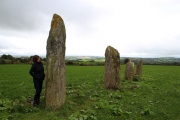
Staying in the countryside places you on the doorstep of lesser-known historical sites. From ancient Roman aqueducts and Moorish watchtowers to prehistoric megaliths and medieval castles, rural Spain is crisscrossed by historic walking trails and heritage routes that rarely see mass tourism.Culinary Heritage: Farm-to-Table Living
A major highlight of staying in a self-catering finca is the opportunity to embrace Spain's incredible regional gastronomy.Many restored properties remain surrounded by active agricultural land, where guests can harvest fresh oranges, figs, or herbs directly from the garden. Nearby village markets (*mercados municipales*) offer locally produced goat cheeses, cured jamón ibérico, artisan sourdoughs, and extra virgin olive oils pressed from trees that have stood for centuries.
Preparing meals together in a spacious country kitchen—and dining *al fresco* under the stars—transforms everyday dining into a memorable cultural ritual.
Tips for Planning Your Rural Spanish Retreat
1. Rent a Car: Rural fincas are situated in peaceful, secluded locations. Having a rental car is essential for visiting nearby historic villages, grocery shopping, and exploring regional walking trails.2. Choose the Right Region for Your Interests:
• *For Moorish history and warm weather:* Head to inland Andalusia (Ronda, Antequera, or the Alpujarras).
• *For prehistoric sites and coastal tranquility:* Choose the interior of Majorca or Minorca.
• *For lush green landscapes and Celtic roots:* Explore rural Galicia or Asturias.
3. Plan Around Local Village Festivals: Research nearby village feast days (*fiestas*). Attending a local celebration offers an unforgettable glimpse into traditional Spanish music, food, and community culture.
By choosing a restored stone finca for your next Spanish holiday, you do more than book a place to sleep—you step into a living story, reconnecting with nature, history, and the timeless art of unhurried living.
With many thanks to Carmen Alonso Suarez and Jose Luis Cernadas Iglesias for the lovely Creative Commons photos above.