

Head Teacher learns a tricky History Lesson
Submitted by coldrum on Wednesday, 21 March 2007 Page Views: 2723
Rock ArtCountry: England County: Cornwall Type: Rock ArtInternal Links:


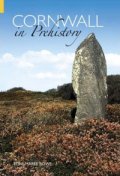
A headmaster who planned to throw out some "old stones" has learned a lesson about archaeology.New head at Sir James Smith's School, Camelford, Jon Lawrence has been busy tidying up part of the school. "I thought it would be a good idea to get rid of some old stones," he said. But just in time the head discovered the stones are actually thought to be precious Bronze Age relics.
"They are not particularly interesting or pretty to look at - but when you know there is something special about them you can see," said Mr Lawrence.
Now the stones are to be offered to the local museum for safe keeping.
Mr Lawrence said he had no idea the relics, which have cup-shaped indentations, were of archaeological importance.
Although their function is unclear, they are believed to date from the Bronze Age.
The stones are associated with megolithic sites such as stone circles and burial mounds.
Originally there are thought to have been three stones but only two now remain at the school. They were discovered as part of a kerb or retaining wall which was built into a Bronze Age burial mound at Starapark.
The burial mound was one of four barrows next to the radio mast on the A39 by Davidstow airfield.
The Starapark Barrow was scheduled in the mid 1950s and subsequently intensively grazed by pigs.
After the removal of the pigs the mound was re-seeded and in the process the plough overturned several large stones. It is said there were seven or eight stones on end including three with cup marks, pit marks and meandering grooves.
Subsequently the three decorated kerb stones from the barrow were removed and placed outside the main entrance to Camelford Comprehensive School. During building work in June 1991 the largest of the three stones was mislaid and it is thought to have either been accidentally removed from the site with spoil or incorporated into the hardcore for a car park, leaving the remaining two which could have been lost in the recent tidy up had fate not played a hand!
thisiscornwall.

 We would like to know more about this location. Please feel free to add a brief description and any relevant information in your own language.
 Wir möchten mehr über diese Stätte erfahren. Bitte zögern Sie nicht, eine kurze Beschreibung und relevante Informationen in Deutsch hinzuzufügen.
 Nous aimerions en savoir encore un peu sur les lieux. S'il vous plaît n'hesitez pas à ajouter une courte description et tous les renseignements pertinents dans votre propre langue.
 Quisieramos informarnos un poco más de las lugares. No dude en añadir una breve descripción y otros datos relevantes en su propio idioma.