
Book Review: Caithness Archaeology: Aspects of Prehistory by Heald and Barber
Submitted by SolarMegalith on Friday, 21 August 2015 Page Views: 4896
Neolithic and Bronze AgeCountry: Scotland County: CaithnessInternal Links:

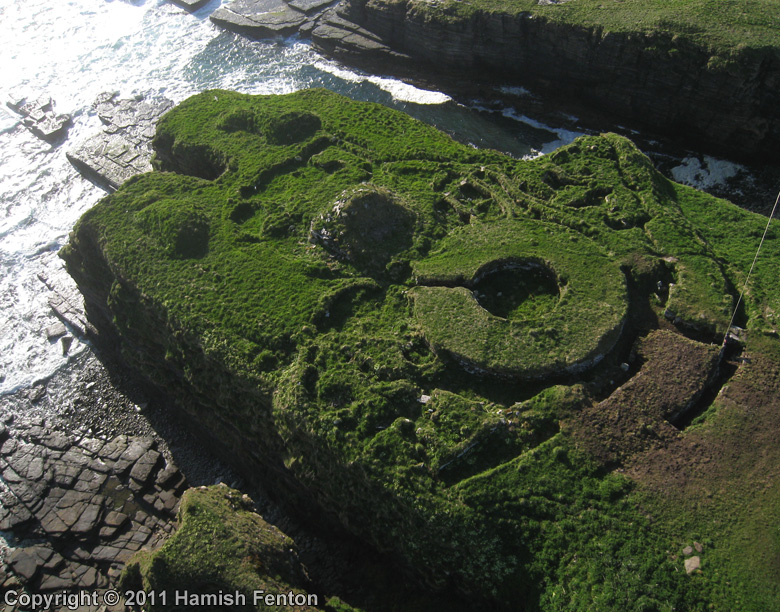
What's more it provides an in-depth discussion of prehistory and archaeological research in this isolated part of Britain, not just a an overview of the county’s archaeology, which is more typical for such books. Both authors have been involved in numerous research projects in the area, including excavations of sites such as Thrumster broch and Nybster. John Barber is one of the leading specialists researching the Iron Age broch towers, which are an important part of the prehistoric landscape of Caithness. Andy Heald has also written and researched widely on the subject has appeared as a specialist consultant on BBC Scotland and Time Team. They are chairman and managing director of the well-known consultancy AOC Archaeology.
The authors decided to order most of the chapters chronologically, but focus them on specific aspects of the archaeological landscape and cultural practices rather than providing just a general overview of each period. This approach helps to put emphasis on the areas of prehistoric archaeology in Caithness which are best researched and have produced the most significant body of evidence.
The Neolithic is represented by the discussion of chambered cairns, challenging readers to reconsider interpretations of the functions of these monuments and highlighting problems with their dating, primarily the uncertain time-span between dateable burials and the time of construction of the cairns (p. 39-40). Among the discussed examples are the chambered cairns at Warehouse, South Yarrows and Camster.
The Bronze Age is represented by discussion of the stone rows, although the authors remain cautious both about their chronological attribution and possible functions (p. 69). Particularly rich is the Iron Age evidence from Caithness, discussion of which is focused on the broch towers and Iron Age burials. This is understandable considering the long history of research done on the Caithness brochs, dating back to the 19th and early 20th century, particularly the excavations by Alexander Rhind, Sir Francis Tress Barry and John Nicolson.
Once again the well-researched sites are in the spotlight, among them the brochs near Keiss (p. 85-87, and for more detailed discussion of Keiss cluster see A. Heald’s and A. Jackson’s paper “Towards a new understanding of Iron Age Caithness” in the Proceedings of the Society of Antiquaries of Scotland, 2001) and Nybster (p. 87-94).
Also, the authors point out the insufficient understanding of the Iron Age hillforts and promontory forts in Caithness, emphasizing the necessity for further research in this area (p. 148). This in-depth understanding of the strengths and weaknesses of our knowledge about the prehistory of Caithness makes the book particularly valuable, pointing towards future areas of research which carry the most significant potential.
Heald and Barber succeed not only in reviewing the current state of research, but also in accurate representation of the history of archaeological investigations in Caithness. The works and achievements of Alexander Rhind, Joseph Anderson, Sir Francis Tress Barry, John Nicolson, Arthur Edwards and others are presented not only in their archaeological, but also historical context.
In-depth understanding of these issues allows the authors to re-evaluate some of the works done in the 19th and early 20th century. For example, the excavations done by Sir Francis Tress Barry - focused mainly on brochs - are often viewed in a purely negative light, but the authors, while conscious of the very poor methodology of Barry’s fieldwork, consider particular goals and positive outcomes of his excavations (including the richness of his photographic documentation and his attempts to interpret the chronology of the brochs), and emphasize his understanding of his own weaknesses, as well as the fact that he frequently took advice from more experienced figures of Caithness archaeology, such as Joseph Anderson.
The authors are keen to emphasize recent progress in the archaeological research in Caithness, which is not only result of scholarly work, but also the efforts of local lovers of archaeology with whom the authors have worked, and who are frequently mentioned on the pages of the publication. This gives the book yet another important, personal aspect which cannot be overlooked – it is a powerful testimony of the great amount of effort and passion which the authors have put into the research of the archaeological landscape of Caithness.
This excellent discussion of Caithness’ archaeology is supported with a wealth of illustrations, which include both modern and historical photographs of the discussed sites, with numerous plans, and sketches. The reconstructions of major types of monuments allow the reader to understand more clearly their architectural aspects described in the book, while the maps improve the understanding of the distribution patterns of the sites, especially of the brochs.
To conclude, the book is a splendid presentation and discussion of well-selected aspects of the prehistoric and early historic archaeology of Caithness, illustrated with carefully chosen examples of the archaeological sites and their research history. It can be highly recommended to anyone interested not only in Caithness, but Scottish prehistory in general, as well as those looking for better understanding of the early archaeological research in this part of Britain.
Hopefully this publication will raise awareness about the richness and significance of the archaeological heritage of Caithness, which – as the authors emphasize in the introduction – deserves more promotion and better presentation to the visitors.
Review by Cezary Namirski (SolarMegalith)
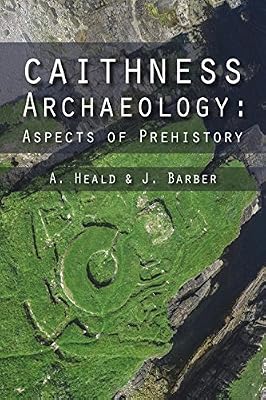 ISBN 9781849951517
 Whittles Publishing
192pp illustrated with 85 b/w photos, diagrams and maps
Hardback size 234 x 156mm
Available from Amazon.co.uk and Amazon.com
RRP £20
From the blurb: In the 19th century, Caithness was at the forefront of archaeological endeavours with many sites central to our understanding of Scottish prehistory. Since then, despite intermittent activity, the archaeology of Caithness has become somewhat marginalised and there is a perception that there are only a handful of archaeological sites for visitors to enjoy and the archaeologist to uncover and interpret. However, the county is full of hidden riches and traces of the past are visible everywhere. Caithness is dominated by landscapes rich in archaeological remains of all periods; chambered cairns, stone settings, brochs, Pictish settlements, wags, castles, harbours and post-medieval settlement, amongst many others. The authors have presented a cross section of these monument types in an attempt to re-centre the county in archaeological and early historical narratives.
More Caithness archaeology on the Megalithic Portal


 We would like to know more about this location. Please feel free to add a brief description and any relevant information in your own language.
 Wir möchten mehr über diese Stätte erfahren. Bitte zögern Sie nicht, eine kurze Beschreibung und relevante Informationen in Deutsch hinzuzufügen.
 Nous aimerions en savoir encore un peu sur les lieux. S'il vous plaît n'hesitez pas à ajouter une courte description et tous les renseignements pertinents dans votre propre langue.
 Quisieramos informarnos un poco más de las lugares. No dude en añadir una breve descripción y otros datos relevantes en su propio idioma.