Submitted by TimPrevett on Sunday, 01 November 2026 (9428 reads)
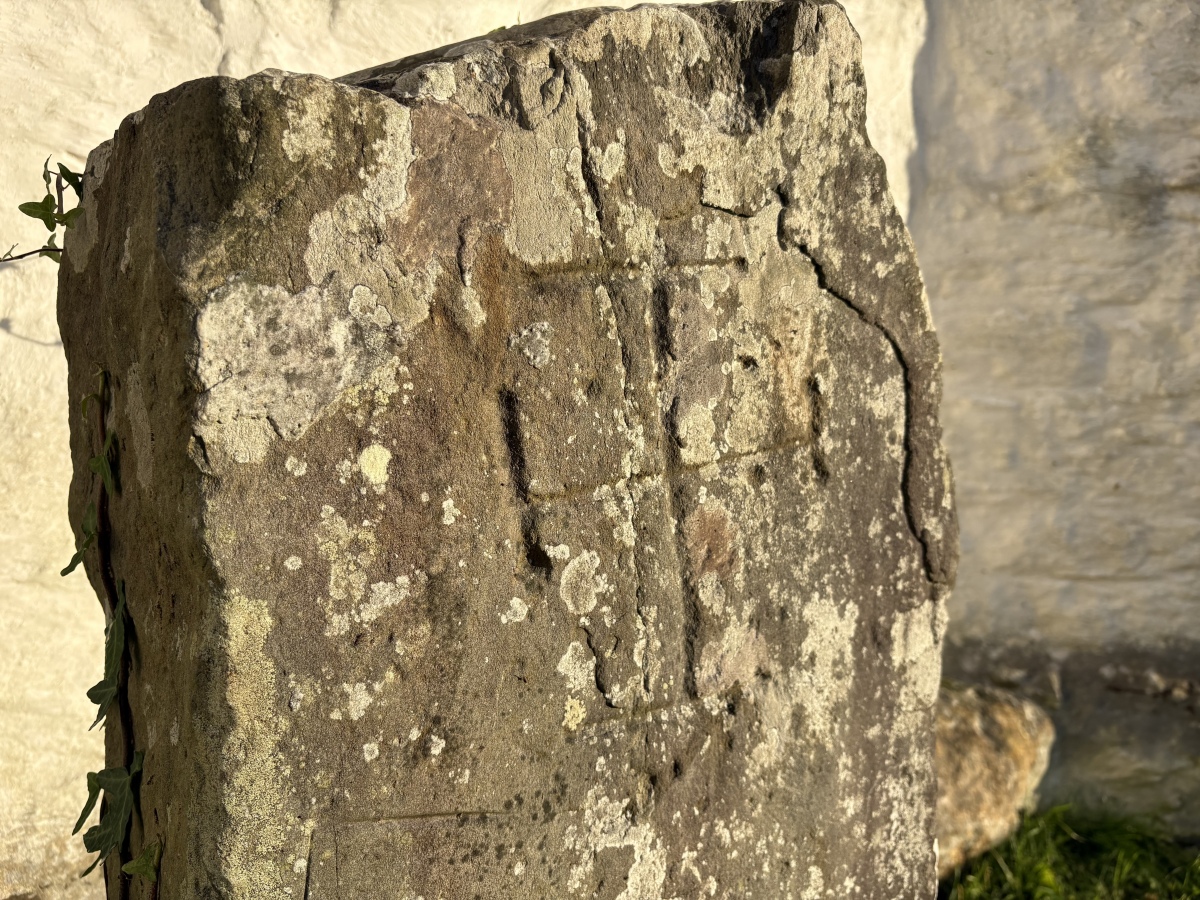
Early MedievalTwo ancient cross incised stones on the south side of the building, also two rough, unshaped stones which appear out of place amongst the memorials nearby. St Digain's also has a yew tree reputed to be 4,000 years old. Image submitted by JimmyMeasures
Submitted by Markj99 on Saturday, 31 October 2026 (3607 reads)
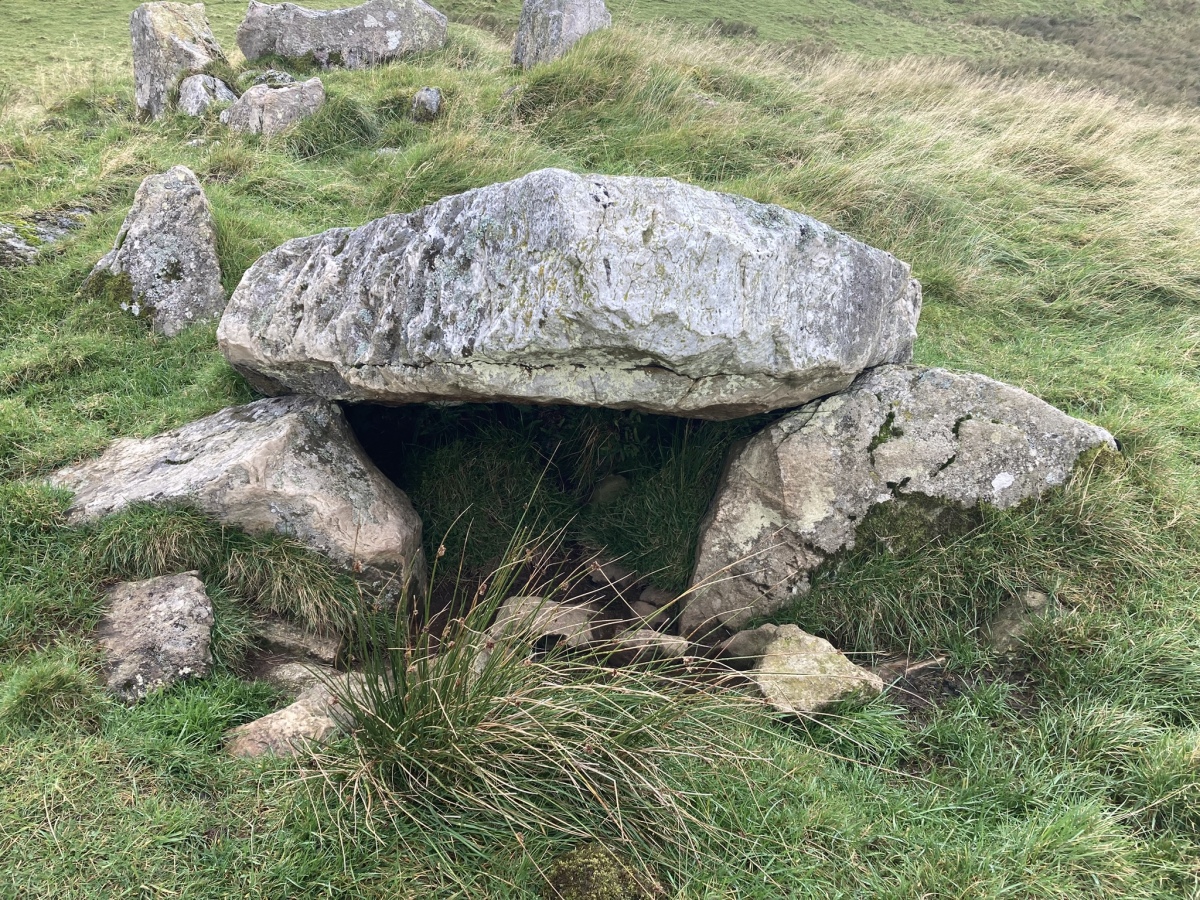
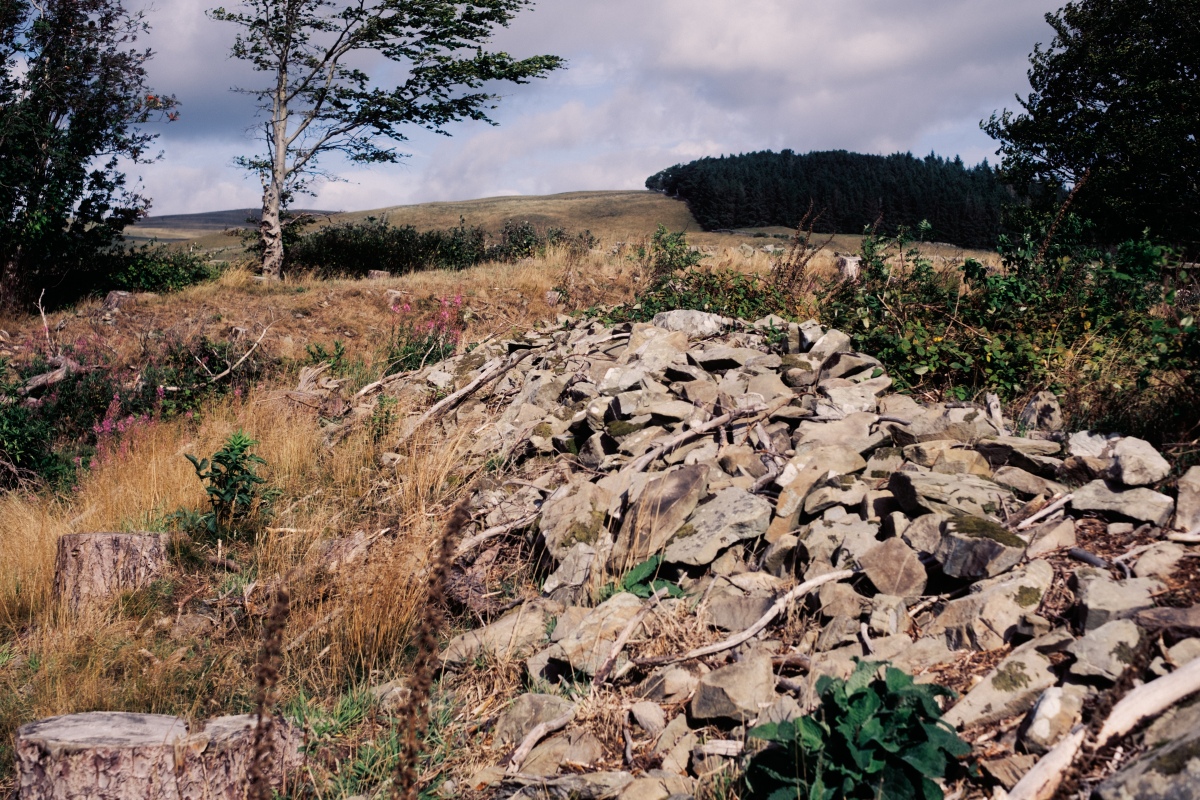
Neolithic and Bronze AgeAn Orkney-Cromarty type chambered cairn with polygonal chamber and a large lintel stone in situ. A narrow spur of stones on the NW side of the main cairn could be the remains of 'horns' that the cairn may have once had. Image submitted by markj99
Submitted by regina on Thursday, 29 October 2026 (2401 reads)
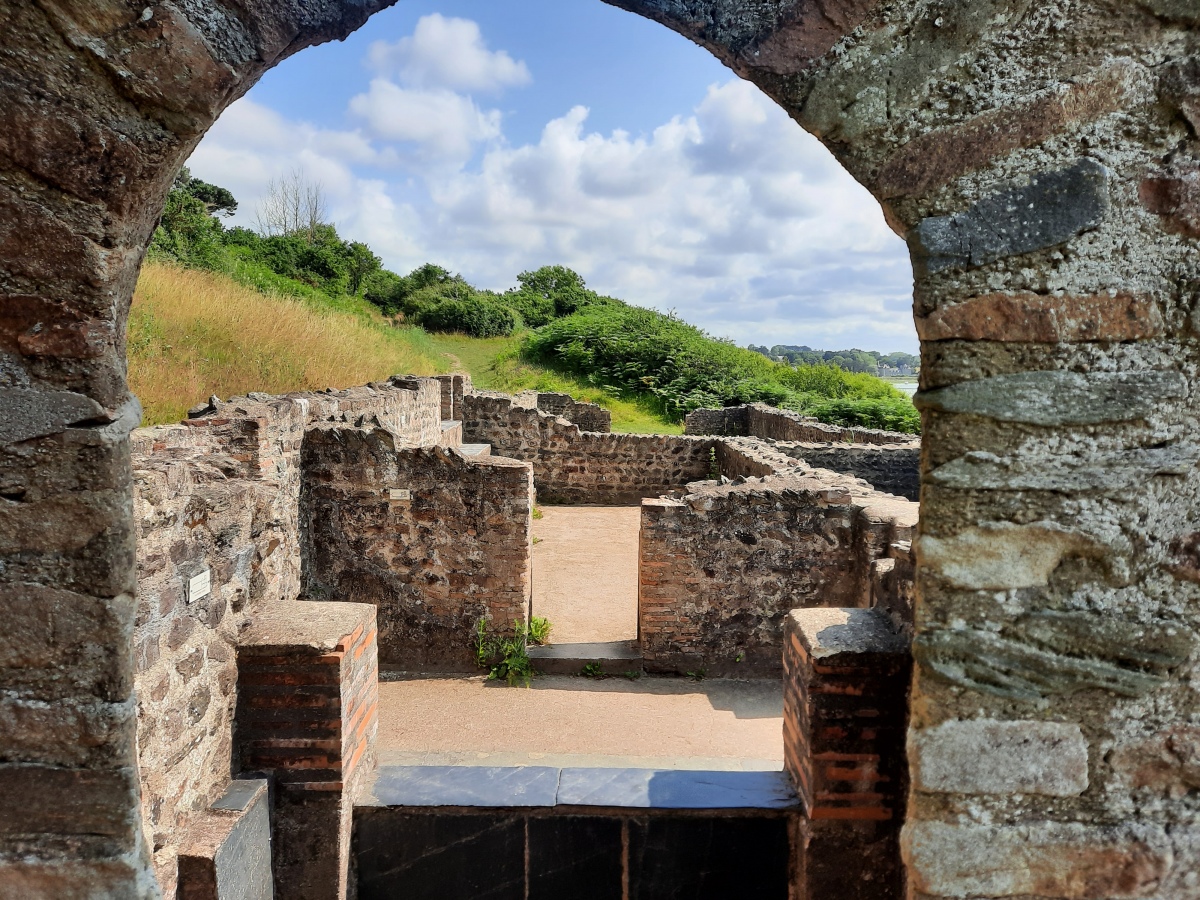
Roman, Greek and ClassicalRemarkably preserved in a dune, the thermal baths of Hogolo were discovered in 1892; several excavation campaigns were carried out in the twentieth century. The monument dates from the 1st century. Enlarged in the second century, it was transformed into an agricultural dwelling in the third century and then demolished in the fourth century. Image submitted by johnstone
Submitted by Andy B on Thursday, 29 October 2026 (2613 reads)
Iron Age and Later PrehistoryThe striking remains of this fort lie for the most part in a walled plantation on the summit of Rink Hill at a height of 195m (640ft). The earliest work on the site appears to have been an oval fort or settlement measuring some 150m (500ft) by 91m (300ft) within a single rampart, which is now represented only by a ploughed-out fragment lying west of the plantation wall.
Image submitted by gdcadam
Submitted by ciatology on Thursday, 29 October 2026 (405 reads)
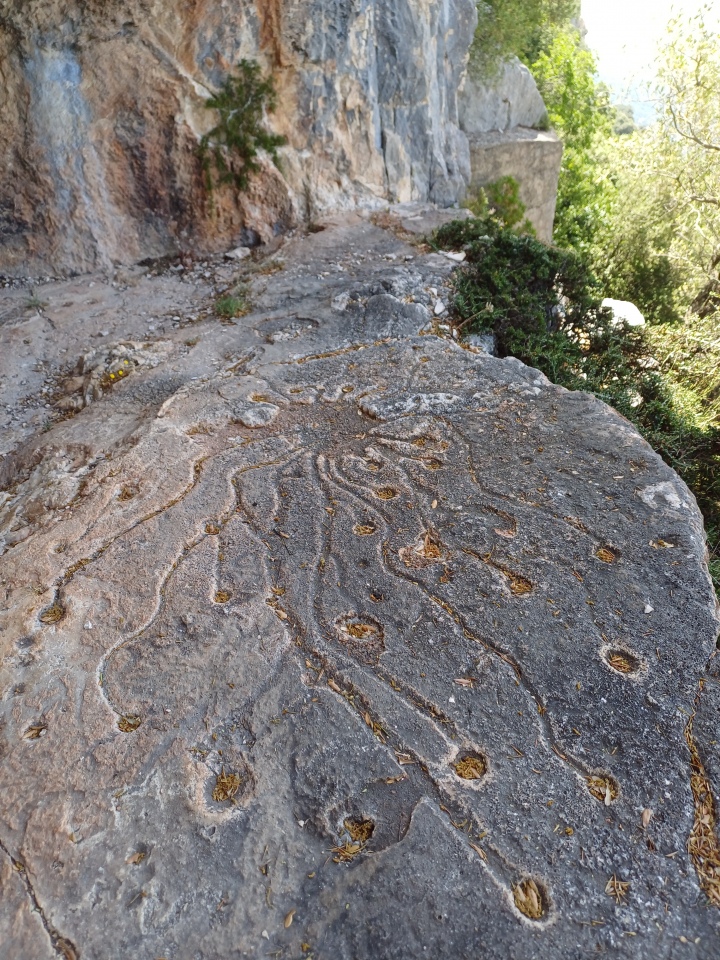
Rock ArtIn Baunei, within the Ogliastra region (Sardinia), there exists a petroglyph unique to the entire area. This carving, etched into a limestone surface, is set into the cliff face overlooking the town, sheltered by an overhanging rock formation. There are no definitive findings regarding its exact age, the most significant excavations were conducted in 2005 by archaeologist M.A. Fadda. The site is currently closed, but a further research campaign, followed by work to secure the area and make it accessible to the public is due to begin soon. Image submitted by ciatology
Submitted by Anne T on Tuesday, 27 October 2026 (855 reads)
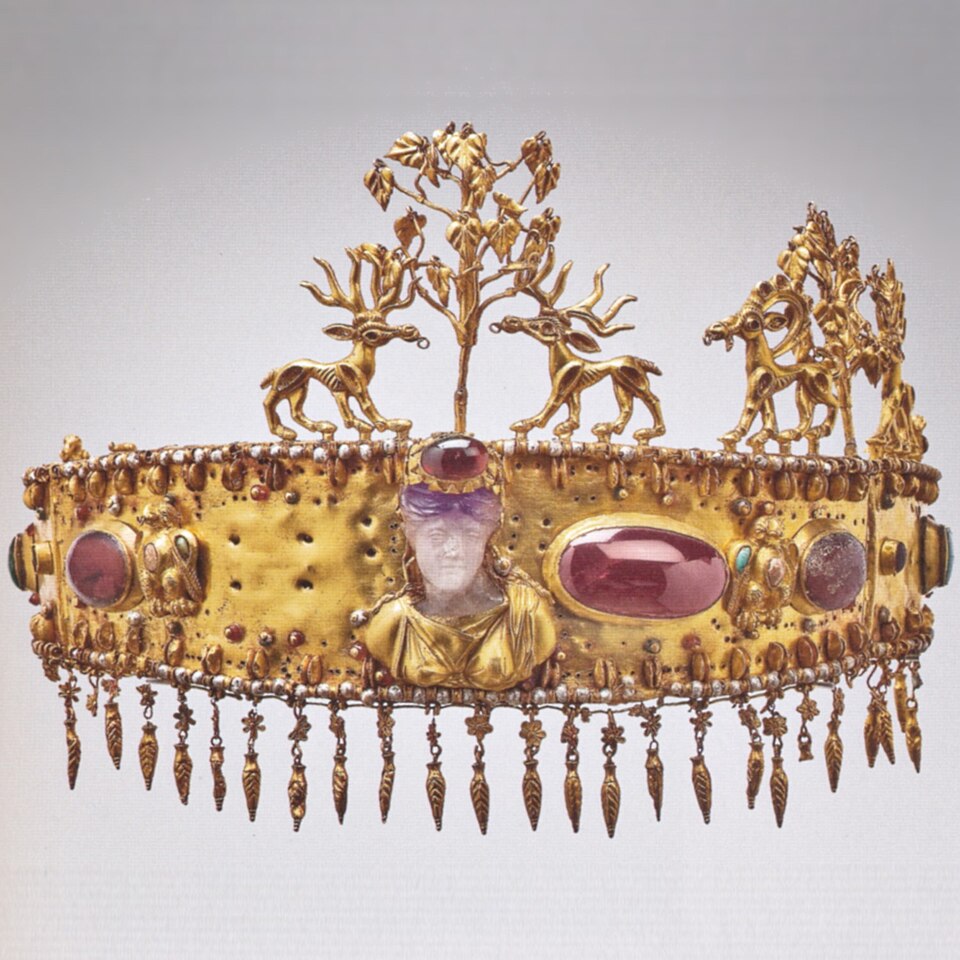
Iron Age and Later PrehistoryIn the summer of 1864 workmen digging a water reservoir on the highest ground in the town of Novocherkassk cut into a barrow. What they found was a Sarmatian burial almost two thousand years old, and one of the richest ever recovered on the lower Don river. Image submitted by Anne T
Submitted by Anne T on Tuesday, 27 October 2026 (676 reads)
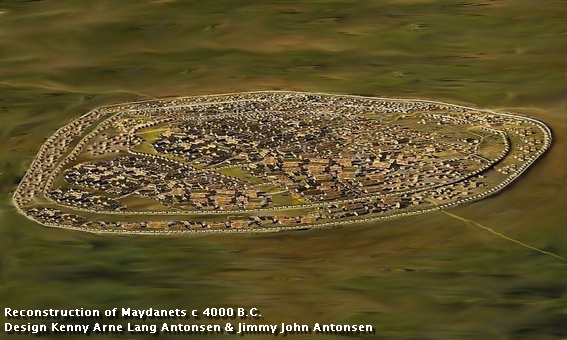
Neolithic and Bronze AgeLocated in central Ukraine. Alongside ordinary houses the settlement was laid out with what the excavators call 'mega-structures', better understood as 'assembly houses', set out to a definite plan. Recent survey work has found that Maidanetske was not made up of one site, but made up of several, constructed at different periods. Image submitted by Anne T
Submitted by RunaStera on Monday, 26 October 2026 (8099 reads)
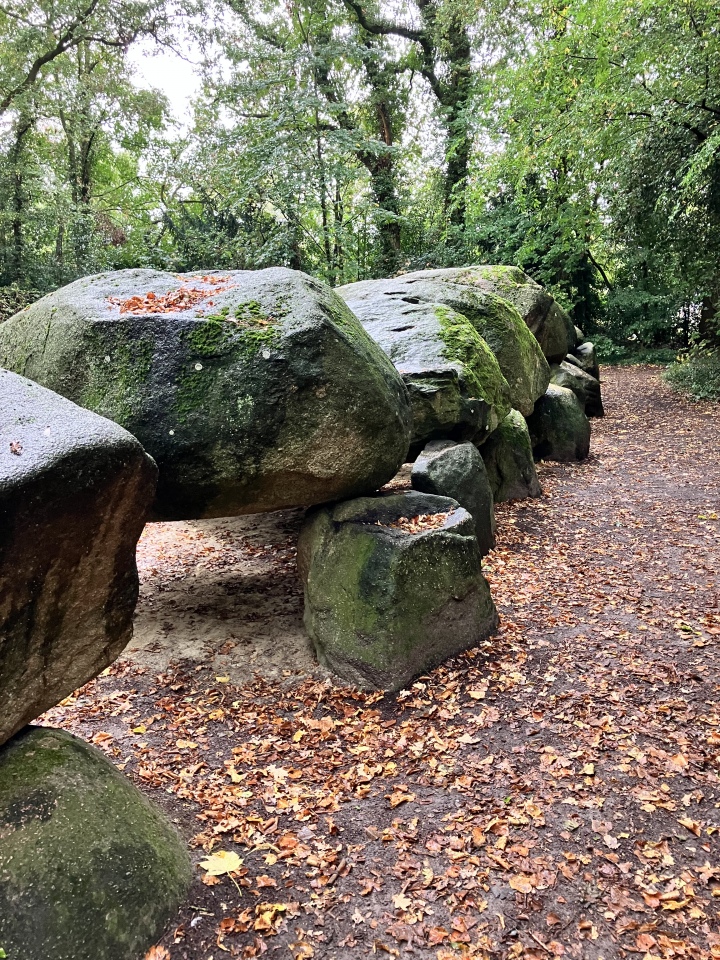
Neolithic and Bronze AgeGermany's most southern preserved hunebed in the County of Borken (BOR), Sprockhoff #985. Translation: The Devil's Stones. The chamber measures 11.5 x 2m. Image submitted by johnstone
Submitted by AlexHunger on Sunday, 25 October 2026 (5017 reads)
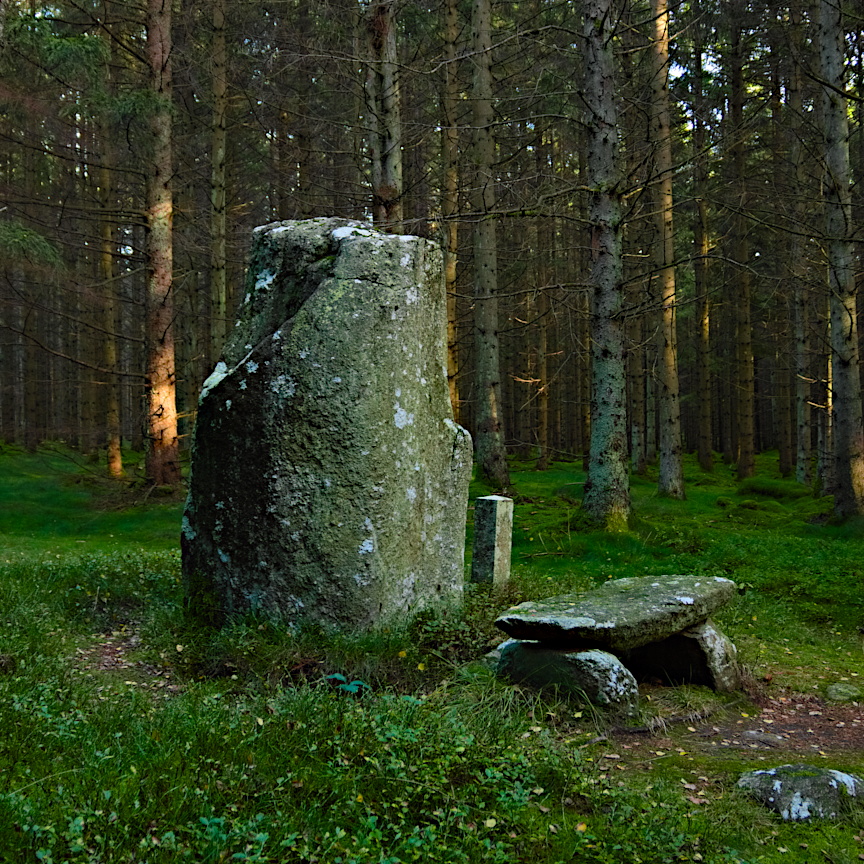
Neolithic and Bronze AgeOn Bornholm it is customary to tip your hat and greet this stone ‘godmorgen Hellig Hågen’! The ‘tray’ or ‘altar’ piece at the front seems a later addition (perhaps medieval, but that is not certain) Image submitted by Klingon
Submitted by markj99 on Thursday, 22 October 2026 (825 reads)
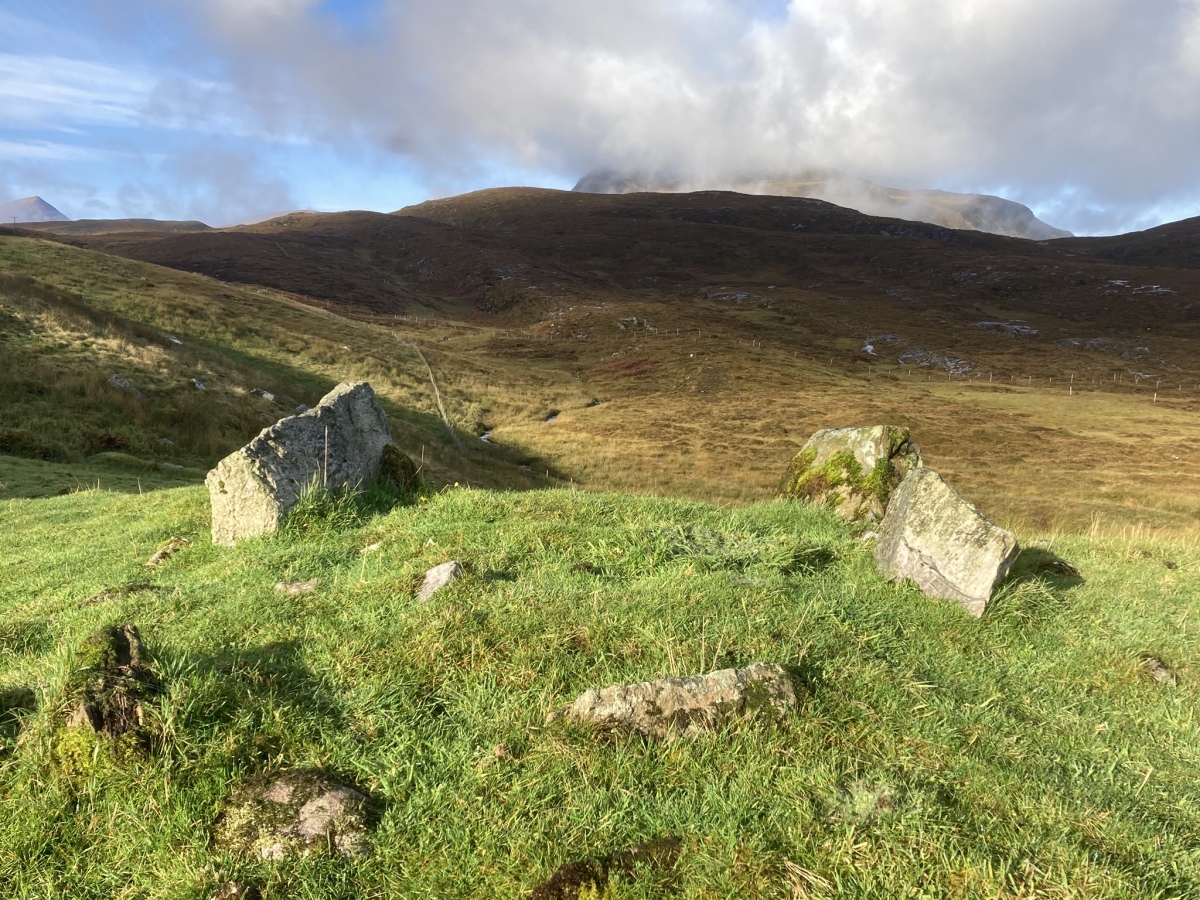
Neolithic and Bronze AgeA subcircular mound approx 12m in diameter and 2m high. Carpeted in rough grass with three stones of the chamber remaining. Located approx. 75m N of the A835 at the W edge of Elphin, a small settlement in the Highlands. There is another chambered cairn and a long cairn in the immediate vicinity, check our Nearby Sites list for the details. Image submitted by markj99
Submitted by LeRoyBreizh on Thursday, 22 October 2026 (937 reads)
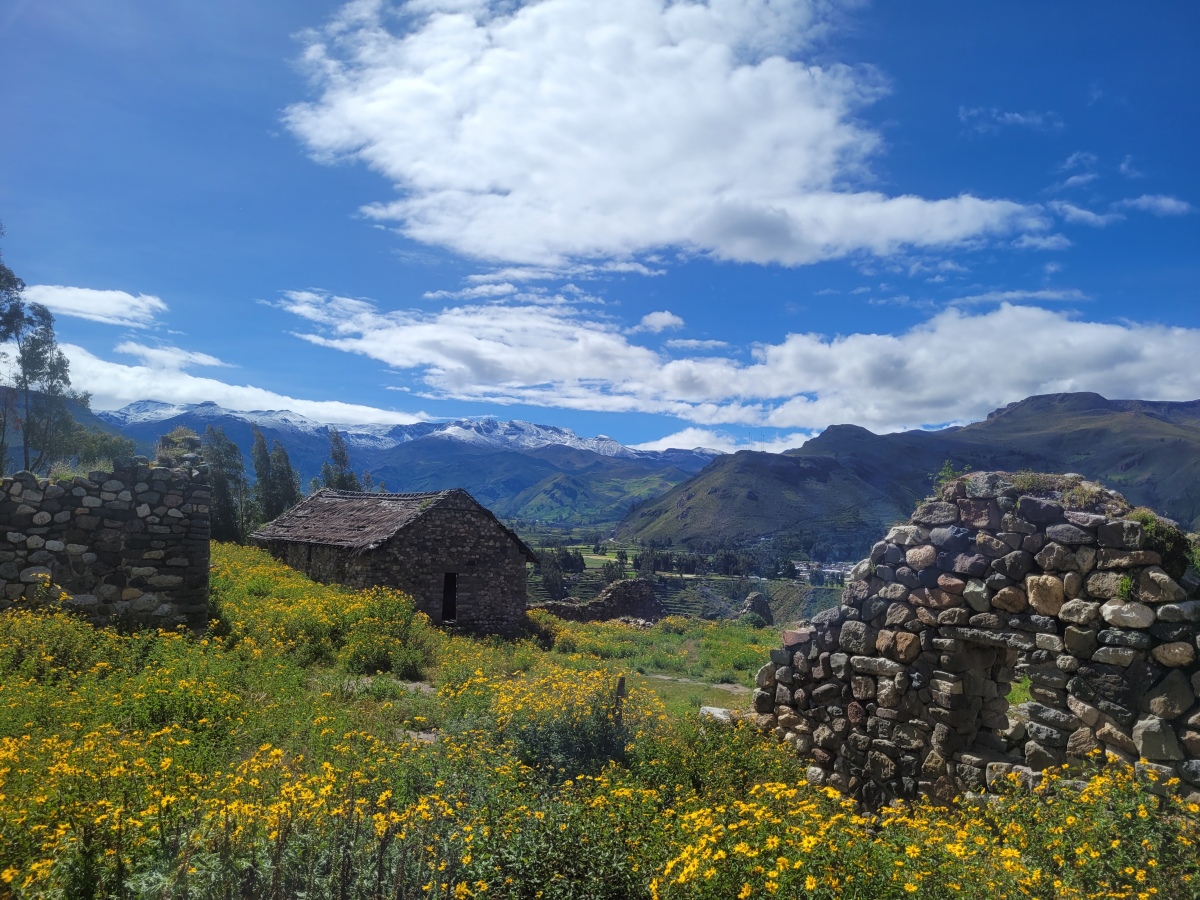
Multi-periodThis archaeological site corresponds to the Collawa culture, it is located halfway up a hill, a set of typically Collawas buildings with stuccoed walls burned by fire and painted with colours: yellow and red inside; on the outside there are rows of stones in white and gray colors, today it is farmland.
The Uyo Uyo is located within the community of Yanque Urinsaya, between the Pampaqhawana and Quesqa rivers, in the Yanque district, Caylloma province, Arequipa department, in Peruvian territory. Image submitted by LeRoyBreizh
Submitted by dmlovelock on Wednesday, 21 October 2026 (7983 reads)
Neolithic and Bronze AgeThe largest hunbed in Holland. About 25m long, it stands beside the Hunebed Centrum (Hunebedden Information Center) in Drenthe. Image submitted by Cazkins
Submitted by vicky on Wednesday, 21 October 2026 (38860 reads)
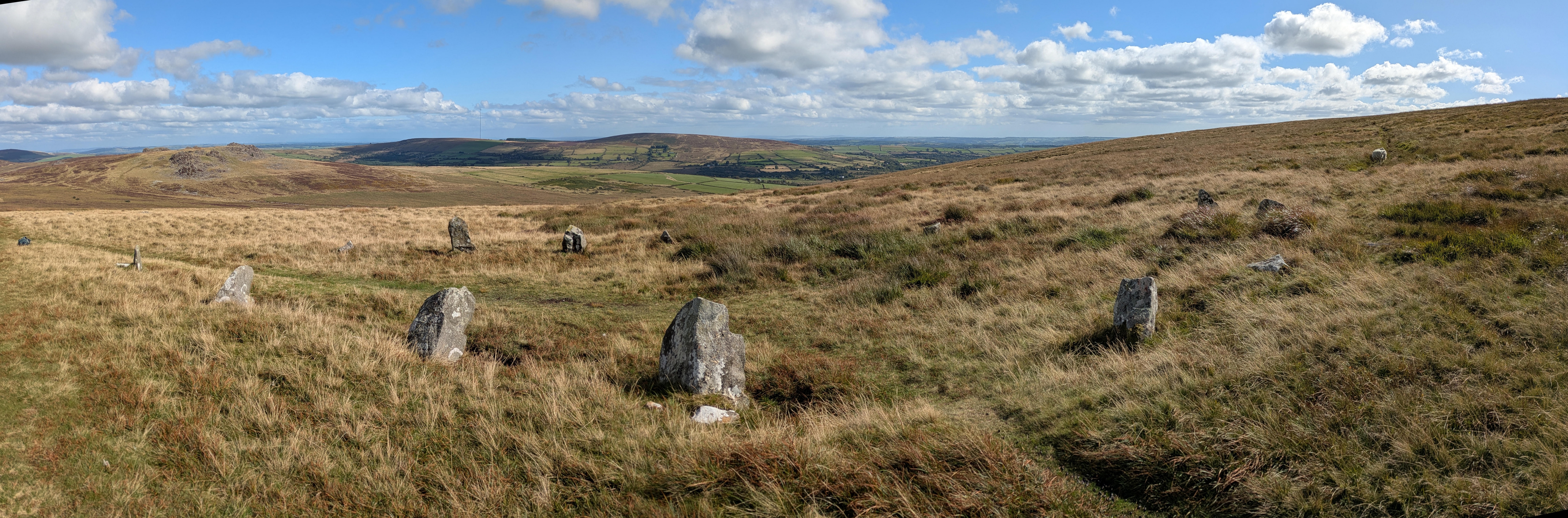
Neolithic and Bronze AgeThis so-called stone circle lies overlooking the bluestone outcrop of Carn Meini in Pembrokeshire. It is actually oval or horse-shoe shaped, leading to speculation that it may have influenced the horseshoe shape of the Bluestones at Stonehenge. Image submitted by TheCaptain
Submitted by kenntha88 on Tuesday, 20 October 2026 (803 reads)
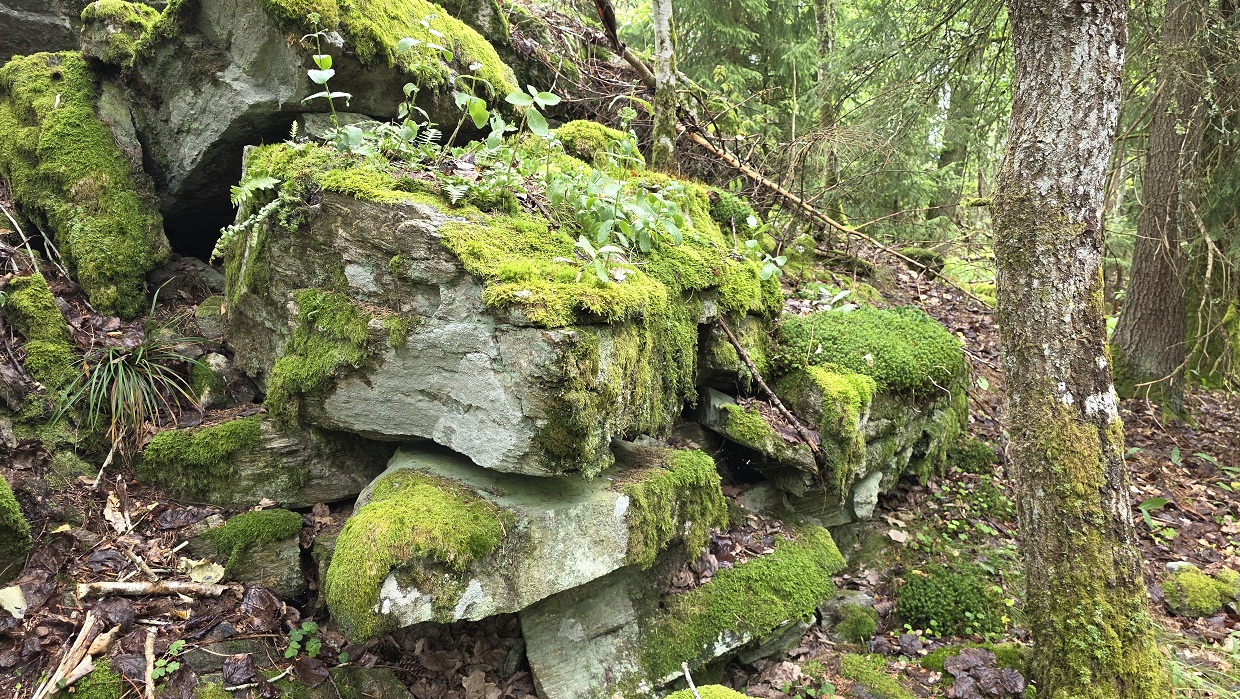
Iron Age and Later PrehistoryThis hillfort is located on a forest covered rocky hill with a great view over Glomma river to the south and west. From a small road there is a footpath up to the hillfort and top of the hill. An old information poster is located at the entrance of the fort. The path is very overgrown and hard to follow. Image submitted by kenntha88
Submitted by Coldrum on Tuesday, 20 October 2026 (15103 reads)
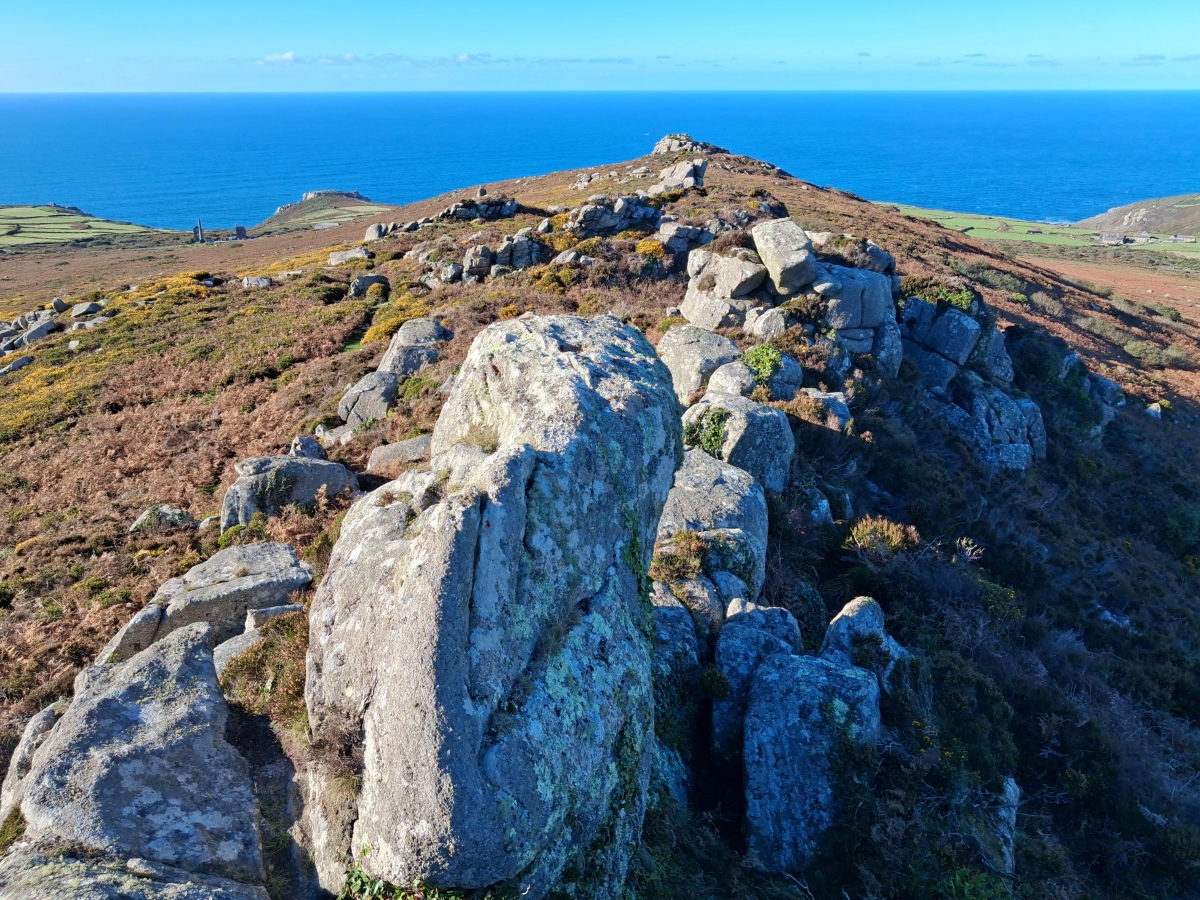
Multi-periodA possible Neolithic enclosure represented by linear arrangements of boulders and stones which incorporate one of the principle granite tors on the summit area of Carn Galver. Excavations in 2009 by Andy Jones (RIP) of Cornwall Archaeological Unit revealed a substantial tumbled wall probably of orthostatic construction but lacking dating evidence. Excavation of a terrace in the centre of the enclosure also produced no dating evidence. Image submitted by Bladup
Submitted by HistoryHikerWales on Monday, 19 October 2026 (1128 reads)
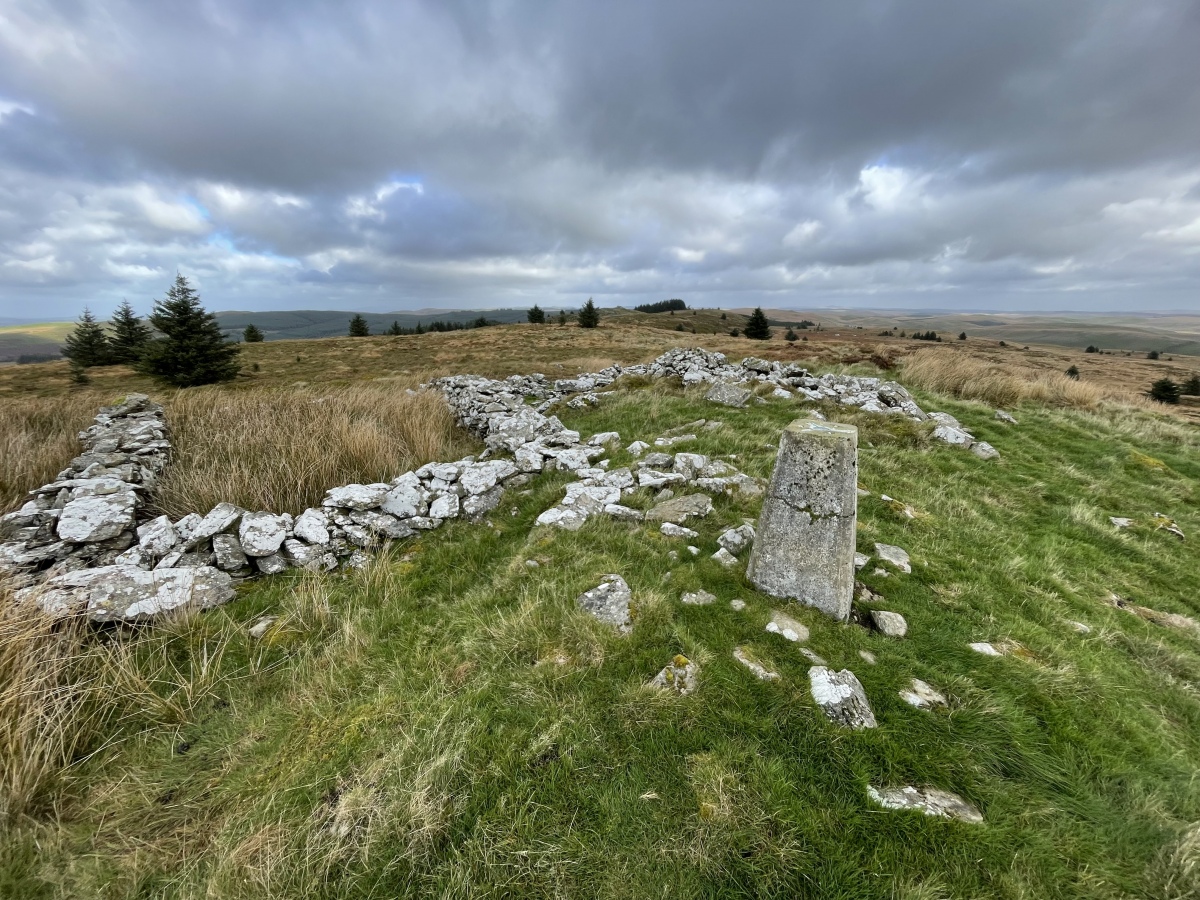
Multi-periodA very disturbed Bronze Age cairn (we hope therapy is available). More interestingly it sits at the centre point in the route along the ridgeway that takes in all the historic sites in the Llanfair Mountain collection. HistoryHikerWales has visited all these out so explore via the maps and nearby sites list from our page. Image submitted by HistoryHikerWales
Submitted by DonRemo on Sunday, 18 October 2026 (965 reads)
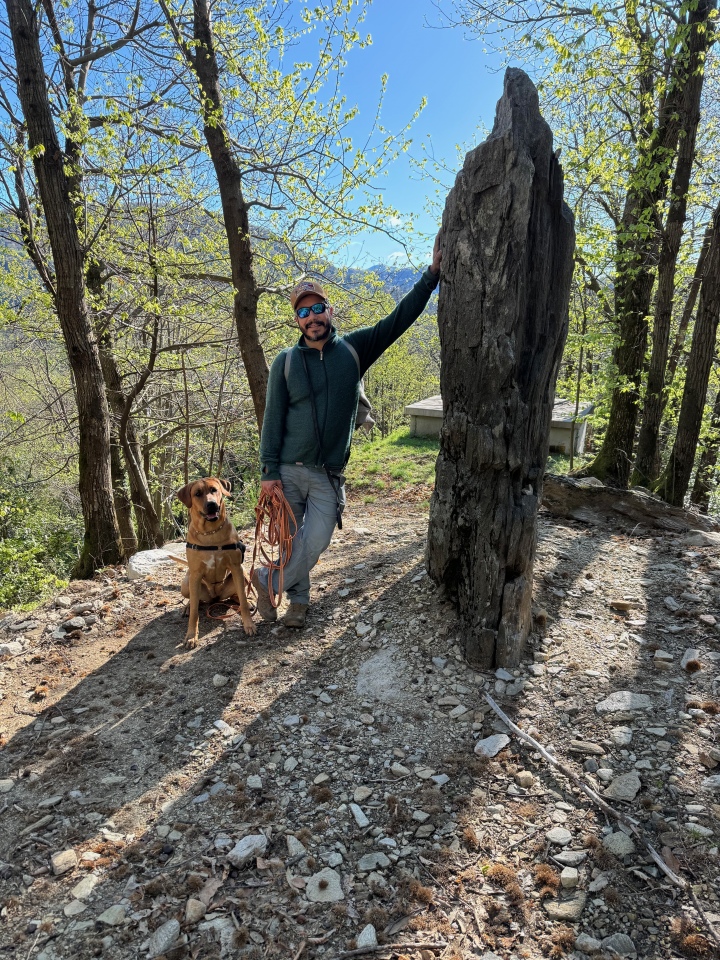
Multi-periodWelcome new contributor Don Remo (and canine friend): The Menhir of the Motto del Risc (re-erected very recently) is the thirteenth stop on the Malcantone Mining Park Trail. There is also much evidence of the presence of the (Celtic adjacent) Ligurians in these hills. Image submitted by DonRemo
Submitted by cerrig on Saturday, 17 October 2026 (1090 reads)
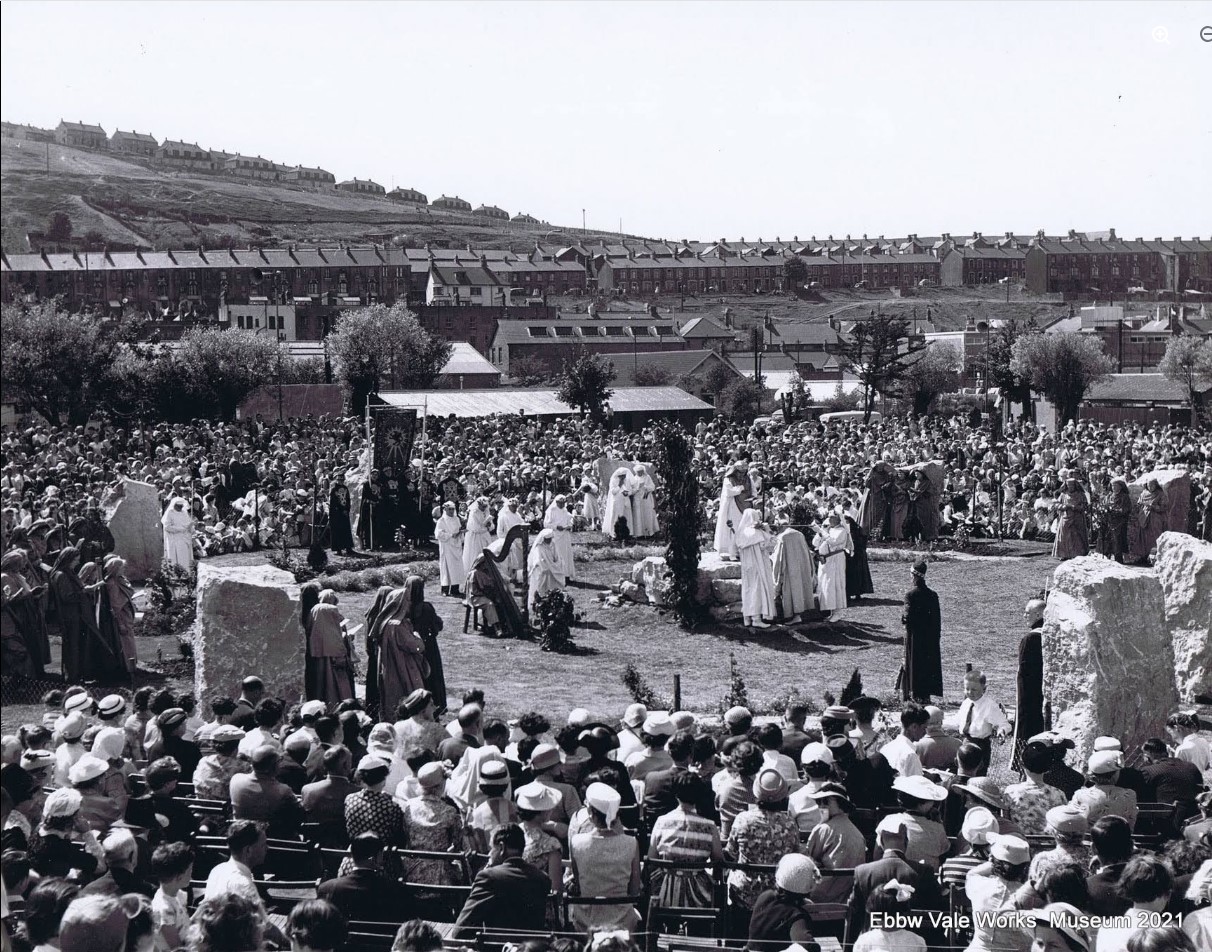
Modern SitesThe opening ceremony in 1958. This Gorsedd circle was moved from its original placement on the old steel works site to a purpose built sunken garden, just off Cemetery Road, sandwiched between a busy road and a housing estate. Image submitted by cerrig
Lots more archive photos of the Eistedfodd in 1958, the construction of the circle, and how it looks now are on our page, thanks Cerrig for arranging permission with Ebbw Vale Works museum. More Gorsedd circles to follow, do you have any photos you can share? Read More | 6 News and Comments | Category: Other Photo Pages
Submitted by kenntha88 on Saturday, 17 October 2026 (1182 reads)
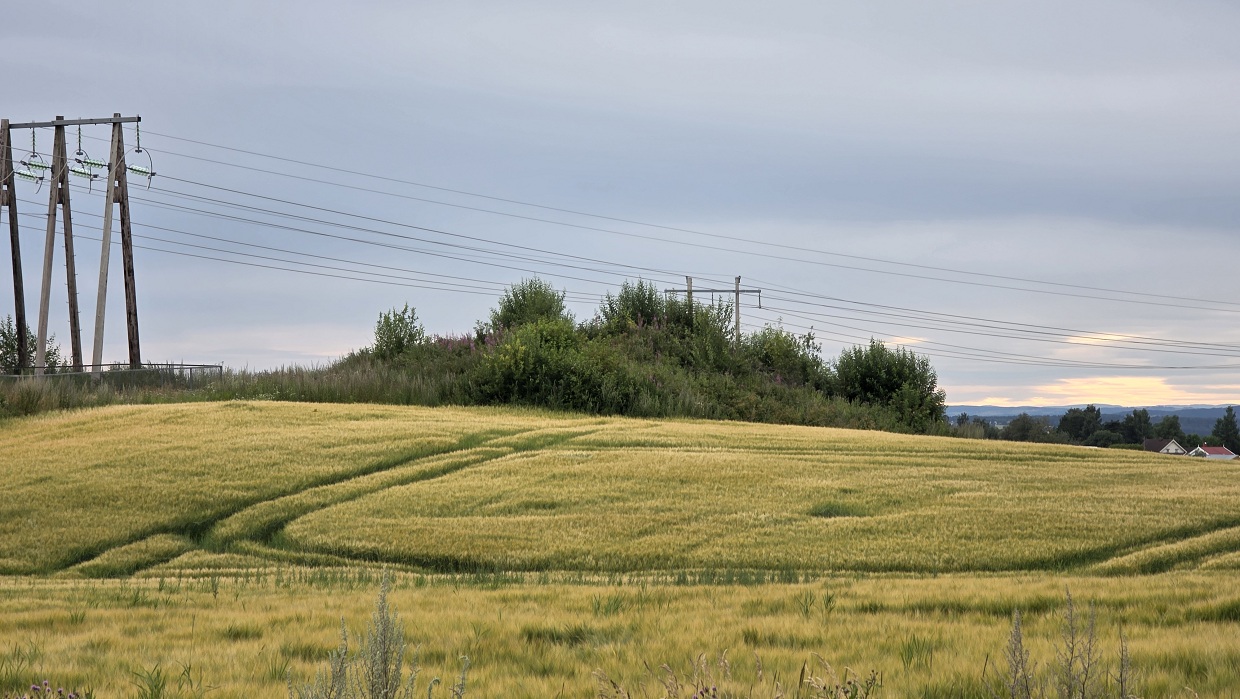
Neolithic and Bronze AgeThis pretty round barrow is easily visible from the road and it not heavily overgrown so the details are easy to see. It is around 17 metres in diameter and 2 metres in height and seems undisturbed. Image submitted by kenntha88
Barrow with heather, sunset, power lines, a beautifully composed photo, thanks Kenneth! Read More | Category: Our Photo Pages
Submitted by Aluta on Saturday, 17 October 2026 (961 reads)
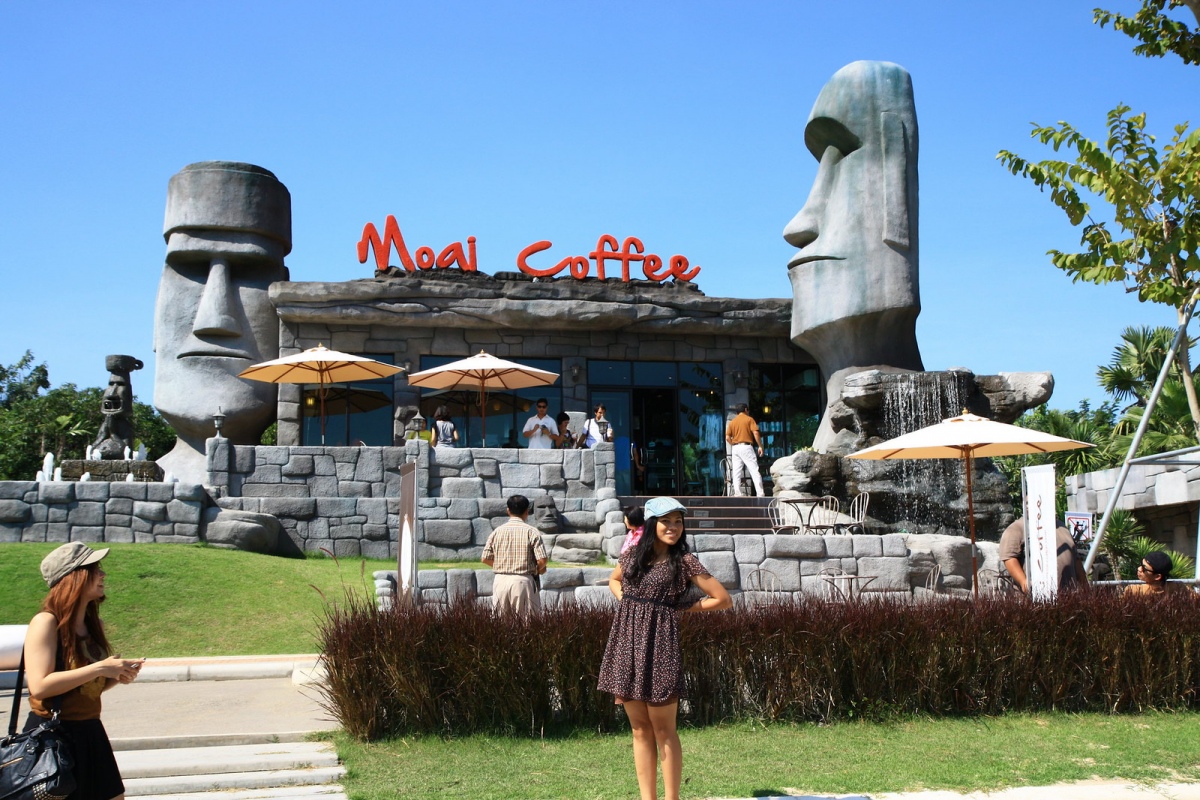
Modern SitesOK, so this doesn't show the Stonehenge replica within the grounds of this coffee shop, but they also have these incredible Moai as their name suggests, and more in their garden. You'll have to go to our page to see the "Stonehenge", which is pretty impressive too (what a tease) Image submitted by Creative Commons