

Museums and ancient sites to visit on a trip to Dubai
Submitted by Andy B on Monday, 12 November 2018 Page Views: 5538
Neolithic and Bronze AgeCountry: United Arab Emirates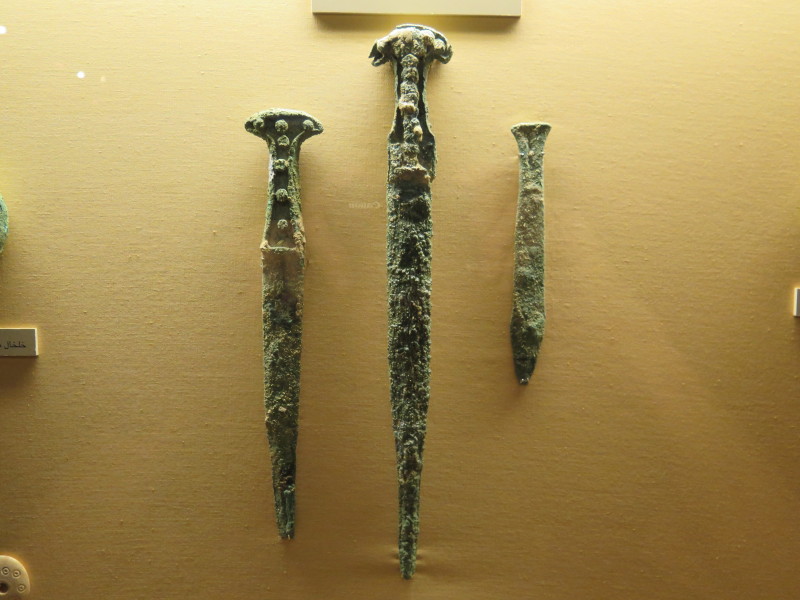
Dubai Museum is located in Al Fahidi Fort, which is itself the oldest building in Dubai. It was built in 1787, and as well as a fort, has over the years served as an arsenal, power centre and prison. It has a number of exhibits from prehistoric sites in the area, including intact pottery and flint from the 3rd millennia BC site stone tomb of Al Sufouh. The fort and museum has more to see than it first appears, as many of the galleries are underground. It’s situated on the red route of the Dubai Hop On Hop Off bus.
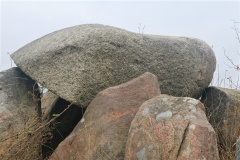
Al Sufouth is a circular tomb of about 8 Meters in diameter with ancient masonry walls. It’s about 15km south of central Dubai in the suburb of al-Sufouh. There doesn’t appear to be much to see there now but I’d love to be proved wrong and see some photos of this rare Neolithic site uploaded by our intrepid visitors. What we do know from excavation is that most of the people entombed there were cremated before their bones were thrown into four pits.

Saruq Al-Hadid Archaeology Museum features artefacts unearthed from the recently discovered archaeological site of Saruq Al-Hadid, along the edge of the Rub Al-Khali desert. The museum only opened in 2016 and has state-of-the-art immersive and interactive displays to bring to life the fascinating story of the Iron Age in the Middle East. Analysis of the precious beads found reveal that some of them originated from as far away as India. Even fish bones were found, and olive wood from the Mediterranean, showing that although these people lived in the desert, they travelled far and wide. Even more exciting is that the post-excavation work is still ongoing, so the final gallery is updated every three months to reflect the latest discoveries.
Before you set off visit www.hotelsindubai.org, and you will find all the hotels that perfectly fit your budget.
It’s also worth travelling the few km north-east to the Sharjah Archaeology Museum, in the town of Sharjah.
A couple of stand-out artefacts are a golden bridle found buried with the remains of a horse and a camel in Mleiha by a local excavation team. The date is estimated to 150 BC - 200 AD and represents the wealthy lifestyle some of the Mleiha inhabitants enjoyed during that period.
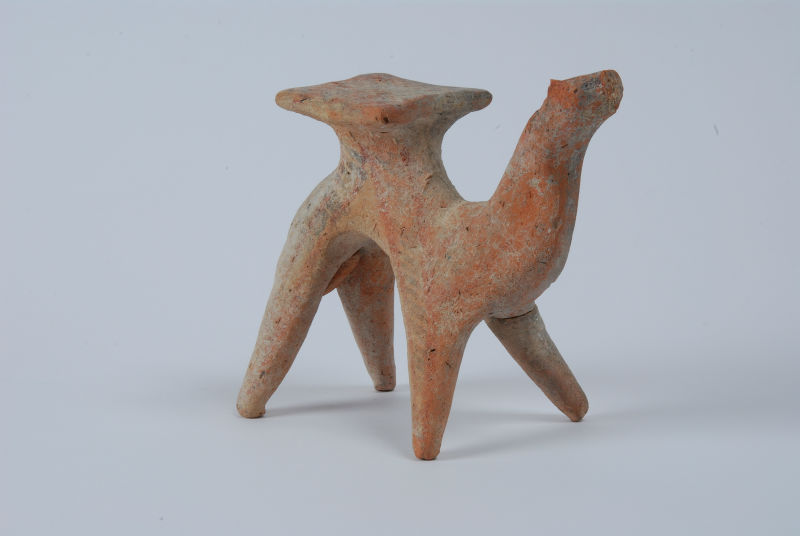
Going further back in the Iron Age, a beautiful little ceramic statue of a camel is on display (photo below left) - also found in Muweilah. This dates to 900-600 BC and shows that camels were being domesticated as far back as then, as the camel has either a saddle or a load carrying pack on its back. The museum explains how the domestication of camels allowed the incense trade to expand between Yemen, and the north and east of the Arabian Peninsula through camel caravans that travelled long distances carrying goods.
The earliest settlements in Umm Al Quwain are more than 7,000 years old. Traces of these ancient communities are still discernible in Al-Dour, near Umm Al Quwain. Located roughly where the town of Umm Al Quwain is now, it is considered the largest pre-Islamic site on the Persian Gulf coast. Read more about this fascinating site on our page here.
With many thanks to Drew Parsons, Alex Hunger, and Kurgan for their assistance with this article.

 We would like to know more about this location. Please feel free to add a brief description and any relevant information in your own language.
 Wir möchten mehr über diese Stätte erfahren. Bitte zögern Sie nicht, eine kurze Beschreibung und relevante Informationen in Deutsch hinzuzufügen.
 Nous aimerions en savoir encore un peu sur les lieux. S'il vous plaît n'hesitez pas à ajouter une courte description et tous les renseignements pertinents dans votre propre langue.
 Quisieramos informarnos un poco más de las lugares. No dude en añadir una breve descripción y otros datos relevantes en su propio idioma.