

How Digital Printing Helps Bring Ancient Heritage to Everyday Life
Submitted by Andy_B on Sunday, 15 March 2026 Page Views: 74
Resources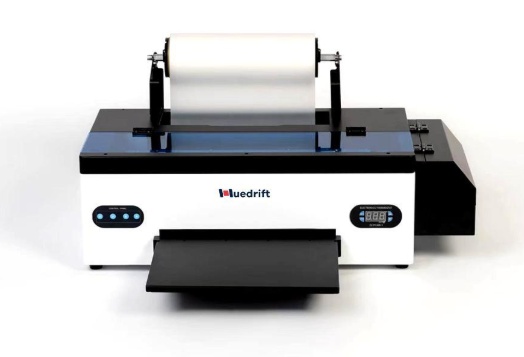 Across Britain and Ireland, thousands of prehistoric monuments still stand quietly in the landscape—stone circles, burial chambers, standing stones, and ancient earthworks that have witnessed millennia of human history. For many people, visiting these places is more than sightseeing; it is a way of connecting with the deep past.
Sites such as Stonehenge, Avebury, and the remarkable spiral carvings inside Newgrange continue to inspire artists, historians, and travellers alike. Their mysterious origins and striking visual forms have long been a source of creative inspiration.
Today, an unexpected technology is helping transform this inspiration into tangible items people can wear and share: modern digital textile printing. Among these technologies, Direct-to-Film (DTF) printing is emerging as a useful tool for artists, heritage groups, and small museums that wish to reproduce historical imagery on clothing and fabric.
Behind many modern heritage-inspired designs is a quiet shift in printing technology. Direct-to-Film printing, increasingly used by independent creators, allows complex artwork to be transferred onto fabric with impressive clarity.
Equipment such as the Huedrift Pro A3+ R1390, demonstrates how accessible this technology has become for small studios and designers. With the ability to reproduce fine lines and layered colours, it offers a practical way to bring digital interpretations of ancient motifs—whether inspired by prehistoric carvings or the distinctive silhouettes of monuments like Stonehenge—into everyday objects such as clothing and textile prints.
While the stones themselves remain unchanged, the ways we interpret and celebrate them continue to evolve.
Ancient Monuments as a Source of Artistic Inspiration
The artistic appeal of megalithic sites is undeniable. The geometry of stone circles, the carved symbols inside passage tombs, and the weathered textures of ancient rock all offer powerful visual motifs.At Stonehenge, the massive sarsen stones arranged in a ring have become one of the most recognizable silhouettes in the world. Artists often simplify this iconic shape into graphic designs suitable for posters, prints, and clothing.
Similarly, the great stone circle at Avebury provides a different form of inspiration. Its enormous scale and the surrounding landscape create striking imagery that photographers and designers frequently reinterpret.
Across the Irish Sea, the carved spirals and geometric patterns at Newgrange represent one of the most famous examples of prehistoric art in Europe. These swirling motifs—created over 5,000 years ago—continue to appear in contemporary graphic design.
For centuries, artists have adapted such imagery in paintings, sculptures, and prints. Today, digital tools make it possible to recreate these patterns with remarkable detail.
Sharing Heritage Through Everyday Objects
One of the most effective ways to keep interest in historical sites alive is through everyday cultural expression. Museum gift shops, heritage organisations, and independent artists often create items that celebrate archaeological sites—postcards, books, tote bags, and clothing.These objects serve several purposes:
• They help fund conservation efforts.
• They spread awareness of historical sites.
• They allow visitors to take a piece of the story home with them.
A simple t-shirt featuring a stylised stone circle, for example, can spark conversations about prehistoric Britain or encourage someone to visit a site they have never heard of before.
In recent years, small heritage organisations have increasingly embraced limited-run merchandise rather than large inventories. This approach reduces waste and allows for more creative experimentation with designs inspired by local monuments.
However, producing high-quality designs in small quantities has traditionally been difficult with conventional printing methods.
The Role of Modern Textile Printing
Advances in digital textile printing have begun to change this situation. One of the most flexible approaches is Direct-to-Film printing, commonly known as DTF.In simple terms, Direct-to-Film printing allows a design to be printed onto a special film before being transferred onto fabric using heat. The process supports complex artwork, multiple colours, and fine details—features that are particularly valuable when reproducing archaeological imagery.
For example, the spiral patterns associated with Neolithic carvings or the detailed outlines of standing stones can be reproduced far more accurately than with older screen-printing methods, especially when working with smaller production runs.
Another advantage is accessibility. Independent designers, small museums, and heritage groups can experiment with new designs without committing to large manufacturing orders.
This flexibility is particularly important in the heritage sector, where demand for specialised designs—perhaps linked to a specific monument or event—may be relatively small but highly enthusiastic.
Celebrating Archaeology Through Design
The connection between ancient monuments and modern design is not merely commercial. It is also a form of storytelling.Consider the annual gatherings that take place around the summer solstice at sites like Stonehenge. These events attract visitors from across the world, many of whom feel a strong emotional connection to the landscape and its history.
Designers sometimes create commemorative artwork inspired by such occasions—illustrations of sunrise over the stones, stylised depictions of the monument, or patterns influenced by prehistoric carvings.
Printing technologies allow these designs to be shared more widely, whether as limited-edition apparel, event merchandise, or educational materials used by heritage organisations.
In this way, digital printing becomes another medium through which the stories of ancient places can be told.
Supporting Small Heritage Organisations
Many historic sites are cared for by local societies, volunteers, or small heritage trusts. These organisations often operate with limited resources while carrying significant responsibility for preserving cultural heritage.Creative fundraising initiatives can therefore play an important role in supporting their work.
Small-batch merchandise inspired by local monuments—shirts, bags, or educational materials—can provide an additional source of revenue while also raising awareness of the site itself.
Because modern printing technologies allow for short production runs, organisations can test different designs without financial risk. A local standing stone, hill fort, or burial mound might inspire artwork that appeals particularly to visitors familiar with the region.
This localised approach to heritage merchandise reflects the unique character of each site and helps maintain a strong connection between community and landscape.
Digital Preservation and Creative Interpretation
Another emerging trend is the use of digital scanning and photography to record ancient carvings and structures. Archaeologists increasingly use high-resolution imaging to document rock art, inscriptions, and architectural features.These digital records serve primarily as research and preservation tools. Yet they can also inspire creative reinterpretation.
Artists can transform scanned patterns into graphic designs, educational illustrations, or visual reconstructions. When reproduced on textiles or other materials, these designs provide a new way of engaging with ancient art.
Of course, sensitivity and respect are essential. Designs should always acknowledge their historical origins and avoid misrepresenting archaeological evidence. When done thoughtfully, however, such creative work can deepen public appreciation for ancient sites.
Connecting Past and Present
The stones that dot the landscapes of Britain and Ireland have stood for thousands of years. Their builders could hardly have imagined that their creations would one day inspire digital artwork, printed textiles, and modern cultural expression.Yet this connection between past and present is part of what makes archaeology so compelling. Every generation finds new ways to interpret and celebrate the monuments left behind by earlier societies.
Whether through photography, illustration, storytelling, or modern printing technologies, people continue to find creative ways to keep these ancient places relevant in the modern world.
The enduring power of sites like Avebury or Newgrange lies not only in their physical presence but also in their ability to inspire imagination.
From carved spirals in Neolithic stone to patterns printed on contemporary fabrics, the dialogue between history and creativity continues—reminding us that even the oldest monuments can still spark new ideas.