

The Pyramid Crew Kept a Logbook. The Stonehenge Crew Didn't.
Submitted by Andy_B on Wednesday, 30 September 2026 Page Views: 55
Resources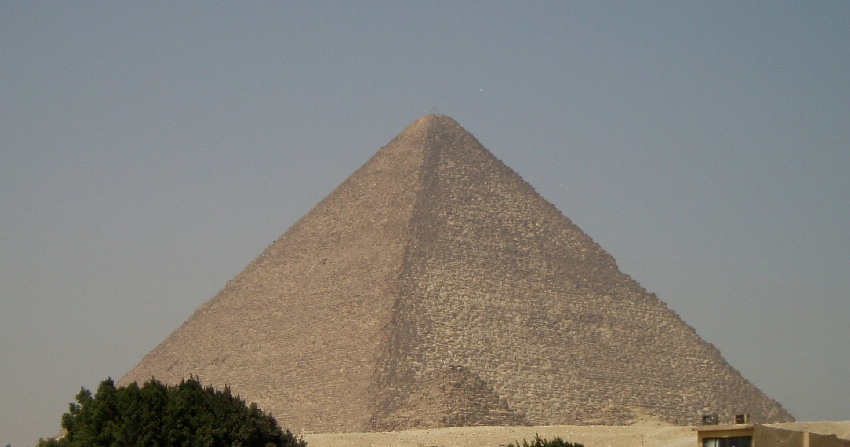
Only one of those crews wrote anything down.
Merer's boat
In 2013 Pierre Tallet's team at Wadi al-Jarf, on the Red Sea coast, found the oldest papyri with writing on them yet known. Among them is the logbook of an official called Merer, who spent months late in Khufu's reign shipping limestone blocks from the Tura quarries across the Nile to Giza and noting the round trips day by day. The granite that lines the King's Chamber came down the Nile from Aswan, some pieces weighing as much as 80 tonnes, as part of a state project that kept records.The stones that had to speak for themselves
Nobody on Salisbury Plain kept a ledger, so the evidence has had to come out of the stones. In 2020 a team led by David Nash showed that most of the big sarsens came from West Woods, on the Marlborough Downs about 15 miles to the north. The bluestones had already been traced to the Preseli Hills in Pembrokeshire. In 2024 geochemists tied the six-tonne Altar Stone to rocks of the Orcadian Basin, more than 750 km up the length of Britain.The distances, then, are not so far apart. The difference is that Egyptologists can quote Merer on how a block reached Giza, while the route of the Altar Stone is still an argument. A study published this month argues that glaciers may have brought it as far as Dogger Bank, which would still leave people dragging it hundreds of kilometres to Salisbury Plain.
What that does to a comparison
That gap shapes how people weigh the two. On YouPickBest, where lists are built from head-to-head picks rather than one writer's order, Stonehenge and the Great Pyramid keep turning up in the same questions: the better sight, the harder build, the stranger puzzle, the better place to be on the solstice. Set side by side across those lists, each question asks for a different kind of greatness, and the two monuments are good at different ones.For readers of this site the sharper argument is probably one step down. A vote on the best stone circle in Britain and Ireland puts Stonehenge beside Avebury and beside Castlerigg, Callanish, the Ring of Brodgar and Drombeg, none of which has a pyramid to be measured against. UNESCO's World Heritage listing gives Stonehenge the title for sophistication and Avebury the title for size. The vote asks which of those counts for more, and whether a ring on a Cumbrian fellside beats them both.
Merer's papyri say how many trips his boat made. Nobody expects to find that kind of record for the Altar Stone, and a fair share of Stonehenge's hold on people lives in the silence.
