



<< Web Picks >> Megalithic observatories: the use of structures to observe celestial bodies
Submitted by Andy_B on Monday, 19 February 2024 Page Views: 197
Resources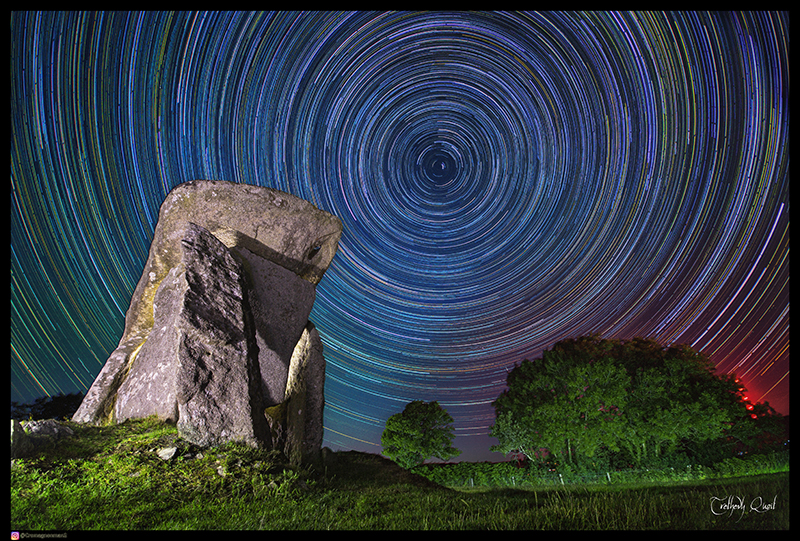
Just like the gxmble casino, witness the connection between people and their emotions. In this in-article we will delve into the fascinating world of megalithic observatories, exploring their purpose, construction, and the key role they played in observing celestial phenomena.
Megalithic Observatories and Celestial Observations
Delving into the nature of megalithic observatories reveals the main purpose of these awe-inspiring structures. These ancient marvels were carefully designed to serve as astronomical instruments, allowing civilisations to observe and track the movements of celestial bodies with remarkable accuracy. Their primary purposes were probably:* Determining agricultural cycles;
* establishing cultural or religious events;
* navigating vast landscapes.
Megalithic observatories were necessary to mark important celestial events such as solstices and equinoxes. Their alignments often demonstrated a sophisticated understanding of astronomy, mathematics and architecture. For example, the famous Stonehenge in the UK not only aligns the solstices, but also demonstrates the complex interplay of the stones, creating an intricate celestial calendar carved into the stone.
Alignment and architectural marvels
One of the defining features of megalithic observatories is their precise alignment. These structures were often strategically placed to correspond with certain celestial events, allowing ancient astronomers to mark important moments in the astronomical calendar. The careful placement of stones or structures indicated the deep knowledge of celestial mechanics possessed by these ancient civilisations.At sites such as Newgrange in Ireland, one can see intricate architectural structures in which passageways and chambers are lined up according to the winter solstice. This architectural precision is not only a testament to their engineering prowess, but also emphasises the cultural and spiritual significance attached to celestial observations.
Deciphering the mysteries of the heavens
Stone circles, standing stones and barrows dot the landscape, and each tells its own unique story of celestial observation. Avebury, one of the largest stone circles in Europe, is not only a visual spectacle but could well be a celestial observatory where alignments point to key astronomical events. The intricate carvings and alignments of the Callanish stones in Scotland further emphasise the importance of these structures in deciphering celestial mysteries.Studying these megalithic observatories in the UK provides insight into the cultural and social aspects associated with celestial observations. Aligning these structures with celestial phenomena was not only a scientific endeavour, but also had profound spiritual and social implications for the ancient inhabitants.
Megalithic observatories in modern astronomy
The influence of megalithic observatories extends beyond ancient civilisations. Today, modern astronomy recognises the profound contribution of these structures in laying the foundations for our understanding of the cosmos. The principles of alignment used by ancient astronomers continue to inspire modern observatories and astronomical research.The study of megalithic observatories has influenced modern architectural and engineering practice, and lessons learnt from ancient building techniques have informed the design and alignment of modern observatories. In addition, archaeological and astronomical studies conducted at these sites make valuable contributions to our understanding of historical celestial phenomena and their impact on human society.
Celestial observations and cultural significance
Beyond their scientific utility, megalithic observatories were an integral part of the cultural fabric of ancient societies. The association of these structures with celestial phenomena often had ritual and religious significance. Celestial observations had not only practical significance, but also spiritual significance, shaping religious practices and belief systems. Exploring the cultural aspects of megalithic observatories adds depth to our understanding of how ancient civilisations intertwined the earthly and celestial spheres in their daily lives.Conclusion
In conclusion, megalithic observatories serve as bridges connecting our present with the deep wisdom of ancient civilisations. Designed with precision and purpose, these structures offer a glimpse into the curiosity and intelligence of our predecessors. Standing on the shoulders of these architectural giants, we continue to unravel the celestial mysteries that have captivated humanity for centuries.Further Reading: A brief overview of British Archaeoastronomy
<< Building Wealth For the Family
Mysterious inscriptions on megaliths: deciphering vanished languages >>
