

<< Web Picks >> From stone circles to smartphones: tracing the changing nature of leisure
Submitted by Andy_B on Tuesday, 18 August 2026 Page Views: 19
Resources
Bronze Age communities gathered around monuments, Roman Britons visited public baths, medieval communities attended festivals and later generations embraced theatres, seaside resorts and cinemas. The setting has changed dramatically, but the impulse remains recognisable: people have always looked for ways to spend time together, experience something enjoyable and temporarily escape everyday responsibilities.
That long history makes Britain's ancient monuments particularly interesting. Sites such as Stonehenge and Avebury were connected with ceremonial and communal activity, but archaeologists cannot confidently describe every activity that took place there as "leisure" in the modern sense. Historic England identifies the Avebury landscape as a major focus for ceremonial and ritual activity during the Neolithic and Early Bronze Age.
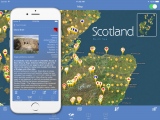
Today, resources such as the Megalithic Portal let you explore more than 65,000 prehistoric and ancient sites through maps, photographs and community contributions, with the platform hosting over 300,000 images. That turns landscapes that once required physical journeys into destinations you can investigate from your phone.
From communal gatherings to personal choice
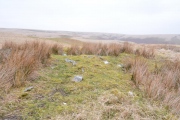
Ancient leisure was often deeply communal. Castilly Henge near Bodmin, for example, is believed to date from roughly 3000–2500 BC, with its bank and ditch creating an amphitheatre-like setting associated with gatherings and ritual activities.Such places suggest that recreation, ceremony, social identity and shared experience could overlap. You did not necessarily choose an activity from a catalogue of options; the community, season, landscape and traditions around you played a much greater role in determining how free time was spent.
Modern leisure offers an almost opposite level of personal choice. A quick search for casino websites UK, for example, brings up a highly developed digital sector where adults can compare different games, payment options, promotional conditions and mobile experiences without travelling to a physical venue.
That convenience reflects a much broader transition in leisure: activities once tied to particular buildings or locations can now be accessed from almost anywhere. Regulation has evolved alongside that convenience, with UK rules introduced in January 2026 limiting wagering requirements on incentives to a maximum of ten times.
The Roman lesson: leisure as infrastructure
The Romans offer another useful stage in this story because they treated leisure as something that could be deliberately built into urban life. Public baths combined bathing with social interaction, conversation and relaxation, creating spaces where people could spend time outside the demands of work.The Roman Baths in modern-day Bath still illustrate the scale of that idea, with thousands of archaeological objects helping visitors understand life around the ancient complex. The attraction even continues to experiment with contemporary programming, including its 2026 Summer Lates events.
The important change was conceptual as much as architectural. Leisure became something that could be organised through public spaces and commercial activity, rather than simply emerging from seasonal gatherings or domestic routines. That principle survived for centuries.
Coffee houses, pleasure gardens, theatres, music halls, public parks and seaside resorts each created dedicated places for entertainment and social interaction. Whenever a new leisure venue appeared, it reflected the technology, wealth, transport systems and social habits of its period, giving you a useful snapshot of how society was changing.
Industrial Britain and the rise of organised free time
Industrialisation dramatically altered the relationship between work and leisure, where factory schedules created more rigid divisions between labour and personal time, whilst improvements in transport eventually made recreational travel increasingly practical.Railways helped turn seaside towns into popular destinations, allowing large numbers of people to experience leisure away from their homes. Blackpool, Brighton and other resorts developed around this appetite for entertainment, with piers, theatres, promenades and attractions offering experiences designed specifically for visitors.
This period also helped establish an important modern idea: leisure could become an industry in its own right. Entertainment was packaged, marketed and sold to increasingly broad audiences. The same pattern appeared in cinemas, recorded music and television during the twentieth century.
Each innovation altered how people spent their evenings, but each still relied on familiar motivations, where you might want relaxation, excitement, companionship, novelty or simply a break from routine. The tools changed; those underlying desires proved remarkably durable.
Leisure becomes measurable, connected and continuous
Digital leisure also introduces something earlier generations rarely experienced: constant measurement. Platforms can record viewing time, game sessions, searches, purchases and interactions, giving companies detailed insight into how people spend their free time.For consumers, that can create convenience because recommendations become increasingly tailored to individual interests, also meaning the distinction between choosing leisure and being presented with leisure can become less obvious. Your next film, song, game or article can appear before you have consciously decided what you want to do.
The gambling sector provides a useful illustration of how this digital transformation is being managed. Gambling Commission data for September 2025 to January 2026 recorded online gambling participation at 37% during the previous four weeks, falling to 15% when lottery-only players were excluded.
Operator data also recorded 24.4 billion online slots spins during the relevant quarter, alongside 189 million total online slots sessions. Those figures show how leisure can now take place at enormous scale without requiring millions of people to gather in the same physical location.
What has really changed?
The most interesting part of leisure's history is therefore not the technology itself. Stone circles, Roman baths, railway resorts and smartphones all provided different answers to a broadly similar human question: what do we want to do when the demands of everyday life temporarily loosen their grip?Ancient communities gathered around significant places, Roman citizens socialised in public baths, Victorian families travelled for entertainment and modern consumers carry entire libraries of leisure options in their pockets.
What has changed most dramatically is access, scale and personal control. You can now discover an obscure prehistoric monument through a digital map, watch a live performance thousands of miles away or choose entertainment from a smartphone within seconds.
That convenience would be almost unimaginable to someone standing beside a Neolithic stone circle, yet the fundamental attraction is familiar. Leisure still gives people opportunities to connect, explore, compete, relax and experience something beyond routine. Clearly, the remarkable story across thousands of years is that people keep finding new ways to enjoy leisure.
<< Digital Entertainment Growth in Mongolia
1Win Coins: How to Accumulate Loyalty Points and Convert Them Into Cash >>
