

Exploring Megalithic Scotland
Submitted by Andy_B on Monday, 02 March 2026 Page Views: 309
Resources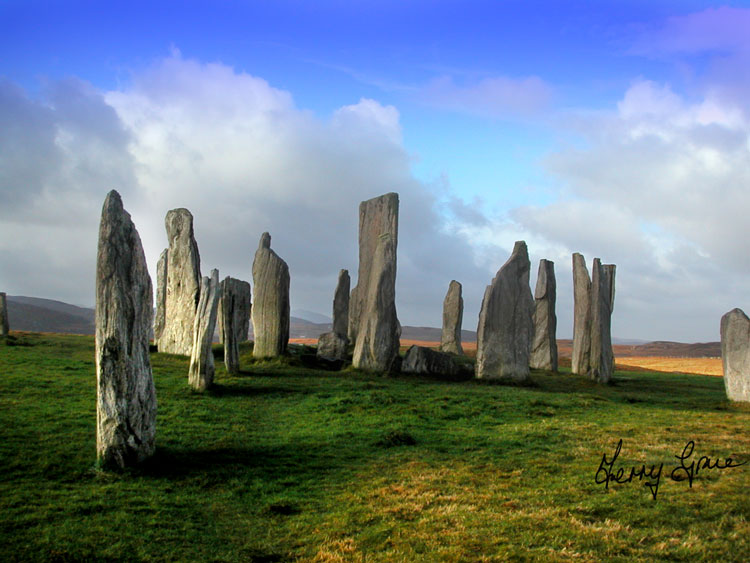
What is megalithic Scotland
The term megalithic refers to large stone monuments that were erected by ancient people way back in the years between 4000 BC and 1500 BC. These structures include things like standing stones, stone circles, burial cairns an chambered tombs. Perhaps, the most famous of all the megalithic monuments is Stonehenge over in England, btu there are plenty of these monuments, built by prehistoric communities with great effort, to be found in Scotland too. It is thought that they had deep spiritual importance for the people who built them, and visiting them is a very special experience even now.
Unlike castles, these monuments were not designed for defense. They were likely tied to ceremony, burial practices, seasonal cycles, and community identity. Their exact meanings remain debated, which only adds to their allure.
The Callanish Stones
One of the most iconic megalithic sites in Scotland is the Callanish Stones on the Isle of Lewis. Often compared to Stonehenge, this dramatic stone circle dates back around 5,000 years. The central circle is intersected by lines of standing stones that form a cross-like pattern, aligned with the movements of the moon.
Standing among the stones, you cannot help but feel the weight of time. The Atlantic wind sweeps across the moorland, and the stones cast long shadows at sunset. Archaeologists believe the site was used for ritual gatherings, possibly connected to lunar cycles.
The Ring of Brodgar
Although technically located in Orkney, which very much has its own distinctive identity, the Ring of Brodgar is a huge part of Scotland’s rich megalithic heritage. This vast stone circle is thought to have once contained 60 stones, which means it would have formed one of the largest circles of its kind in Britain.Apart front he circle. The surrounding landscape to this monument is equally as compelling. Nearby sites such as Skara Brae, a remarkably preserved Neolithic village, reveal how people lived alongside these monuments. Exploring Orkney feels like walking through an open-air museum of prehistoric life.
Clava Cairns and Burial Chambers
Near Inverness, the Clava Cairns offer a different type of megalithic experience. These Bronze Age burial monuments consist of circular cairns surrounded by standing stones. Passageways lead into the interior chambers, which were aligned with the winter solstice sunset.The precision of this alignment demonstrates that prehistoric Scots were keen observers of the sky. It is fair to say that these monuments were not random piles of stone. They were carefully planned, cosmically connected structures that reflect a deep relationship with nature.
Kilmartin Glen: A Concentration of History
Kilmartin Glen in Argyll is one of the most archaeologically dense landscapes in the whole of Scotland. Here you will find standing stones, rock carvings, burial cairns, and ancient forts, all within what is a fairly small area of land. So it is fair to say that the glen offers a powerful sense of continuity, with layers of history spanning thousands of years.Walking through Kilmartin, you can move from a stone circle to prehistoric rock art within minutes. It is a place where history feels tangible, not confined to museum cases but embedded in the earth itself.
Planning Your Megalithic Journey
Exploring megalithic Scotland requires some planning. Many sites are in remote areas, accessible by narrow roads or walking paths. Renting a car is often the most practical option, especially if you want to visit multiple regions.If you begin your journey in the capital, you might want to take advantage of Edinburgh left luggage services before heading north. Storing your bags allows you to explore the city or travel onward more easily, particularly if you plan to venture into the Highlands or catch a ferry to the islands.
Weather is another consideration that you need to take into account when visiting the sites. Scotland’s climate can change quickly, so layered clothing and waterproof gear are essential. Even in summer, winds can be strong and rain unpredictable.
Why Megaliths Still Matter
What makes these ancient stones so compelling? Part of it is their mystery. Unlike castles with documented histories, megalithic monuments leave us guessing. We know roughly when they were built, but not exactly why.They connect us to a shared human past. The people who raised these stones lived without modern technology, yet they created structures that have endured for millennia. They tracked the sun and moon, buried their loved ones with care, and gatjered sared spaces beneath open skies.
Visiting these sites is one of those things that encourages you to reflex tgon life, the universe, and everything. Standing in a stone circle, you may find yourself contemplating time in a different way. The concerns of daily life feel smaller against a backdrop of five thousand years.
A landscape of Living History
Megalithic Scotland is not frozen in time. Sheep graze beside standing stones, and local communities continue to care for these ancient landmarks. They are part of the living landscape, woven into modern life even as they remain rooted in prehistory.Exploring these monuments offers more than sightseeing. It is an opportunity to step outside your usual timeline and experience a deeper sense of continuity. From the windswept Callanish Stones to the quiet chambers of Clava Cairns, megalithic Scotland invites you to look beyond the familiar and into the ancient heart of the land.
If you are willing to travel the back roads, brave the weather, and stand still among the stones, you may discover that the oldest stories are often the most powerful of all, and one thing’s for sure, you will never forget the experience.