



Why Trying Local Food Can Make Travel More Memorable
Submitted by Andy_B on Thursday, 22 October 2026 Page Views: 23
Resources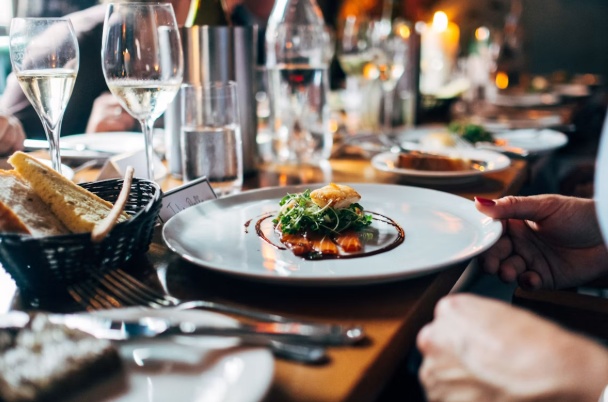 Ask people about their favourite travel memories, and the answers often go beyond famous landmarks or luxury hotels. They might remember a bowl of noodles eaten at a crowded street stall, freshly baked bread bought from a small village bakery, or a family-run restaurant where the owner recommended something that was not even on the menu. Food has a way of turning an ordinary moment into something worth remembering.
Trying local dishes is also one of the easiest ways to understand a destination beyond its tourist attractions. Ingredients, cooking methods, and eating habits can reveal a great deal about a place's history, climate, and culture. Instead of simply seeing somewhere new, you get to experience it through its flavours, aromas, and traditions.
Food Offers a Taste of Local Culture
Every region has its own relationship with food. Coastal communities may rely on fresh seafood, while areas with cooler climates often have a tradition of hearty stews, baked dishes, and preserved ingredients. In places where spices have played an important role in trade, local recipes may reflect centuries of cultural exchange.These influences are not always obvious until you sit down for a meal. A dish might combine ingredients introduced through historical trade routes or follow a cooking method passed down through several generations. Even a simple breakfast can reveal something about how people live and what they value.
Local food also creates opportunities to learn without feeling as though you are taking a history lesson. Asking a restaurant owner about a traditional recipe or watching a market vendor prepare a familiar ingredient in an unfamiliar way can make cultural discoveries feel natural.
Small Food Discoveries Often Become Favourite Memories
Some of the best travel experiences happen without much planning. You might follow the smell of freshly cooked food down a side street, notice a busy café while exploring on foot, or accept a recommendation from someone who lives nearby.These discoveries can be more memorable than meals chosen purely because they appear in popular travel guides. There is a personal element to finding somewhere yourself, especially when the food turns out to be excellent.
Imagine visiting a town known for its historic buildings. You spend the morning sightseeing, then stop at a modest bakery for a regional pastry you have never tried before. Years later, you might struggle to remember every building you visited, but the taste of that pastry and the atmosphere of the bakery could remain surprisingly clear.
Food connects a place to a particular moment. The setting, the people around you, and even the weather can become part of the memory.
Local Markets Reveal Everyday Life
Markets are particularly useful for travellers who want to understand how a destination works beyond its main attractions. They bring together residents, independent sellers, seasonal produce, and ingredients that may be unfamiliar to visitors.Walking through a market can be an experience in itself. You might see fruit that grows only in certain climates, discover regional cheeses, or notice how differently people shop for everyday meals. Some markets also offer ready-to-eat snacks, making it easy to sample local flavours without committing to a full restaurant meal.
There is no need to buy something from every stall. Take your time, observe what attracts local customers, and ask questions when sellers are happy to chat. If you have dietary restrictions or food allergies, make sure you communicate them clearly before trying unfamiliar dishes.
Markets also provide a useful reminder that food is not just something served to tourists. It is part of the daily routine for people who live and work in the area.
Sharing Meals Can Bring People Together
Food creates natural opportunities for conversation. Sitting around a table with friends, joining a cooking class, or chatting with other diners can make a trip feel more personal.In some destinations, sharing dishes is a central part of the dining experience. In others, meals are built around individual portions or specific courses. Paying attention to these customs can help visitors feel more comfortable and show respect for local traditions.
Cooking classes are another worthwhile option. Learning to prepare a regional dish gives you a practical connection to the place you are visiting. You may discover why a particular ingredient matters, how a recipe changes between households, or which techniques are essential to getting the flavour right.
The experience can continue long after the holiday ends. Recreating a dish at home may bring back memories of the people you met and the places you explored.
Plan Your Food Experiences Without Overspending
Trying local food does not have to mean booking expensive restaurants every evening. Street food vendors, neighbourhood cafés, bakeries, and market stalls can offer excellent ways to sample regional cooking at different price points.Before travelling, consider setting aside part of your budget specifically for meals and food-related activities. This gives you room to try something unexpected without worrying about overspending elsewhere.
Practical preparation can help, too. Travellers departing from Wales may want to arrange their spending money in advance, including researching currency exchange Cardiff options before an overseas trip. Knowing how you plan to access and manage your money can make it easier to budget for meals, market purchases, and occasional treats.
It is also sensible to check typical restaurant prices and whether smaller businesses prefer cash or accept cards. Having a rough idea of costs helps you make choices while leaving enough flexibility for an appealing recommendation that comes your way.
Be Curious, but Respect Local Traditions
Trying unfamiliar food can be exciting, although it helps to approach new dishes with an open mind. You may encounter ingredients you have never used, flavours that take time to appreciate, or eating customs that differ from those at home.Start with small portions if you are unsure, and ask about ingredients when necessary. Respect local etiquette, particularly when eating in someone's home or visiting places where meals have religious or cultural significance.
It is equally important to be mindful of food safety. Choose vendors whose food is handled and stored appropriately, take care with unfamiliar ingredients if you have allergies, and follow local guidance about drinking water where relevant.
Being adventurous does not mean ignoring your comfort or wellbeing. The aim is to discover something new while making sensible decisions along the way.
Let Food Become Part of the Journey
Travel is often remembered through individual moments rather than a checklist of attractions. A conversation over lunch, a new flavour discovered at a market, or a meal shared after a long day of exploring can give a destination a more personal meaning.Local food offers a connection to the people, traditions, and everyday routines that shape a place. It encourages travellers to slow down, ask questions, and look beyond the obvious highlights.
On your next trip, leave a little space in the itinerary for a meal you have never tried or a café you happen to pass. You might discover a new favourite dish, learn something unexpected about the local culture, or simply create a memory that stays with you long after you return home.
