


Knucklebones to Click: Games of Chance in Ancient Britain
Submitted by Andy_B on Monday, 16 November 2026 Page Views: 16
Resources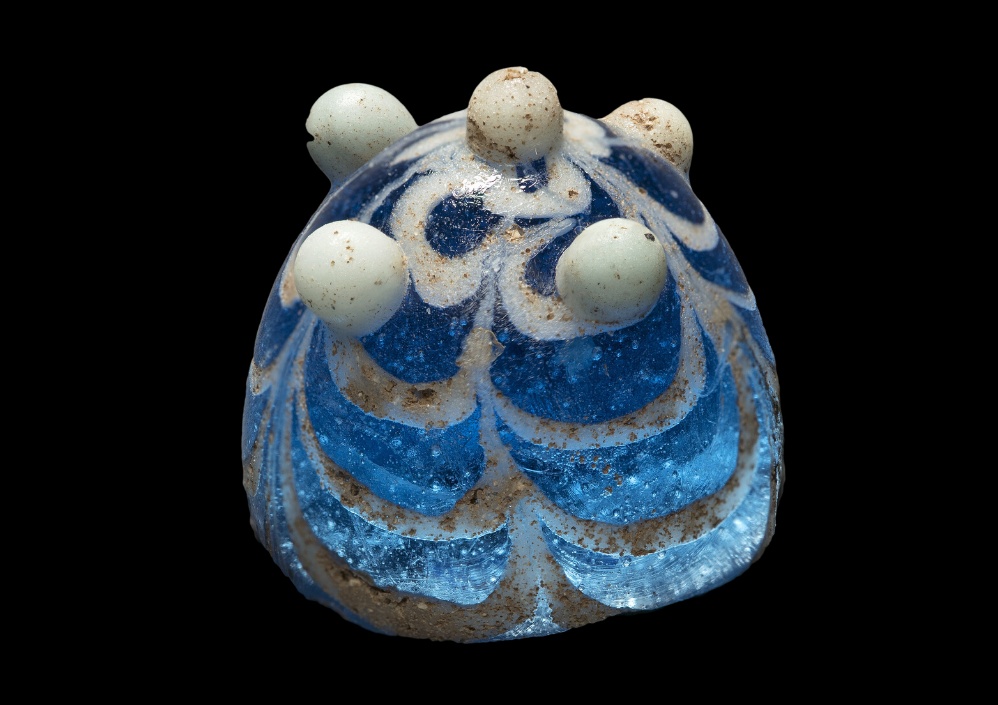
Dating back to AD 700-900, archaeologists believe it came from a set that would have been used for playing a uniquely Northern British version of ‘tafl’, a family of games which were derived from the Roman war game Ludus Latrunculorum, and played in Britain, Denmark, Iceland, Ireland, Norway and Sweden before the arrival of chess in the 11th-12th centuries
An instinct older than the stones
The oldest dice weren't dice at all. Britannica notes that the immediate forerunners of dice were knucklebones, the anklebones of sheep and other animals, which tumble with enough randomness to settle a wager, and which are still used in some parts of the world. A knucklebone lands on one of four faces, each with its own character: a randomiser you could take home from dinner.That instinct never left; only the equipment changed. Online casino games at UK-regulated operators are its latest form, with the knucklebone's job now done by tested software. The Gambling Commission's technical standards require that random number generation and game results be "acceptably random", and no game may adjust its odds to make up for earlier results. From bone to algorithm took thousands of years. What follows are some of the British chapters in between.
Garrison games on Hadrian's Wall
Roman soldiers brought their boards with them to the edge of the empire. At Vindolanda, the fort just south of Hadrian's Wall, archaeologists excavating in 2019 found a board for ludus latrunculorum, the "game of little brigands or soldiers", wedged between a bath-house drain and a workshop wall. Newcastle University's work on the finds shows how widespread the habit was:• It's often described as the most popular board game in Roman Britain. A strategy contest of trapping and capture, something like a military version of draughts.
• Vindolanda holds around 15% of all gaming boards found in Roman Britain. Sixteen boards from one fort, the largest collection in the country.
• It wasn't only soldiers playing. Where the board was found suggests women, children and the wider civilian community around the garrison joined in too.
A board for the afterlife
Play mattered enough to take into the grave. At Stanway, outside Colchester, excavation in a gravel quarry revealed a rich burial dating to within twenty years of the Roman conquest. Among the grave goods sat a box containing a gaming board with white glass pieces, with rods laid across it that were probably medical instruments. A doctor, by the excavators' best reading, sent into the next world with his kit and his game. Whatever the board meant to him, someone close to him made sure it traveled with him.The king's table comes ashore
Centuries later, the Lindisfarne piece that opened this article was identified as a piece from hnefatafl, the Norse "king's table", and dated to the eighth or ninth century. The excavation, led by DigVentures and Durham University, recovered it from the monastery's heyday, and the lead archaeologist's verdict was clear: the sheer quality of the piece suggests this wasn't any old gaming set.Northern Europe took its leisure seriously in more ways than one. Researchers at Oxford have argued that people in what is now southern Finland were already strapping bone skates to their feet as far back as 3000 BC.
Taming luck
For most of that long history, chance belonged to the gods, which is why bones and lots did double duty as gaming gear and tools for divination. The mathematics came surprisingly late. Girolamo Cardano, a Renaissance physician and mathematician, wrote the first systematic computations of probabilities in his Book on Games of Chance, about a century before Pascal and Fermat tackled the subject. Only then did luck become something you could measure rather than merely court.Seen from a dolmen's distance, the arc is tidy: the same impulse that shook sheep bones on an Iron Age floor now runs on certified random number generators under a regulator's eye. The venue has changed beyond recognition. The player hasn't.
Anyone who does gamble today should do it the modern way: licensed operators only, money you can afford to lose, and strictly 18 or over. Free, confidential help is available from GamCare on 0808 8020 133.