


Wagers Through Time: How Ancient Bets Became a Billion-Dollar Industry
Submitted by Andy_B on Monday, 26 May 2025 Page Views: 71
Resources
Today, those timeless thrills are alive and well on digital platforms like supervip2541, where ancient instincts meet fast-paced online gameplay. But how did we get here? And why do these age-old habits still hit the same dopamine buttons thousands of years later?
Let’s take a trip back—way back—and see how history’s earliest bets helped shape the billion-dollar industry we see today.
The Earliest Bets: When Luck Was a Language
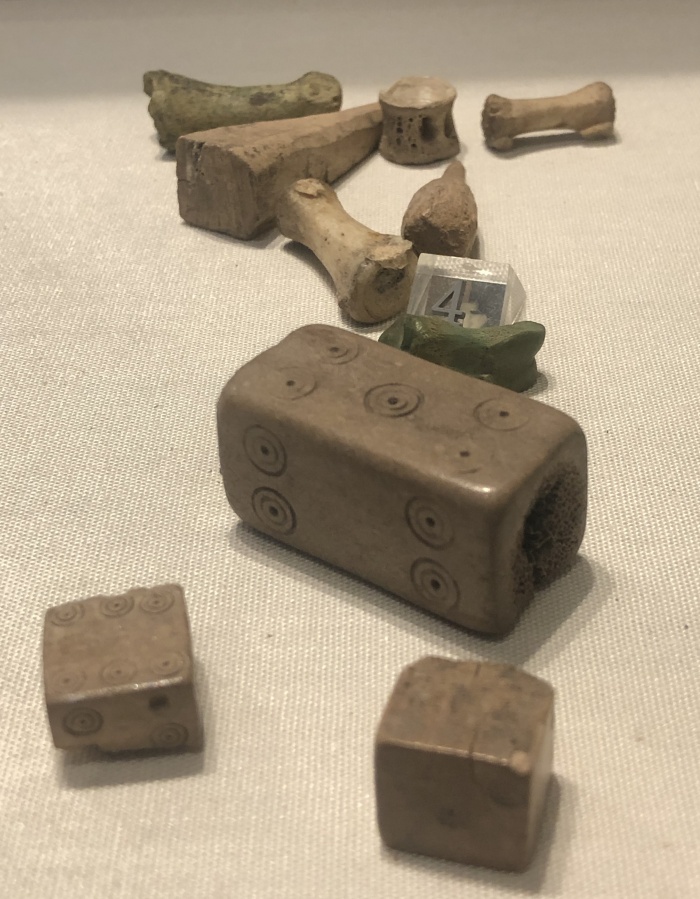
One of the oldest known gambling tools is the humble knucklebone. Used as early as 3000 BCE in Mesopotamia, animal bones—usually from sheep or goats—were marked and thrown like dice. The game wasn’t just for entertainment either; it had spiritual undertones, believed to reveal the will of the gods.Fast forward a few centuries and dice made from stone, ivory, and even human bones were found in Egyptian tombs. This wasn’t some pharaoh’s party trick—gambling had already become a cultural staple by then.
These early forms of chance were often tied to deeper ideas of fate and fortune. Even the ancient Greeks, with all their philosophy, couldn’t resist a coin toss to settle arguments. In fact, their version of heads-or-tails (called “navia aut caput”) is eerily familiar to today’s simple coin games online.
China’s Contribution: From Tiles to Keno
China’s rich gambling history goes back at least 2,000 years. The earliest forms of keno appeared during the Han Dynasty, where players selected characters on a grid—a far cry from the quick-pick numbers we see in modern lobbies.Interestingly, some legends claim these early keno games were used to help fund the construction of the Great Wall. Whether that’s true or not, it highlights something important: gambling has long been a social, economic, and even political force.
 Mahjong, a game that also originated in China, blended luck with strategy. While not gambling by default, it has often been played for money and still finds a home in online game portals.
Today, you’ll find spiritual successors to these classics on digital platforms. And just like those Han-era players, modern bettors crave the same rush—only now, it’s in a few taps on a screen instead of drawing characters from a scroll.
Ancient Rome: The Birthplace of Betting Culture
If you’re picturing orgies and gladiators, don’t forget the dice. Romans were obsessed with gambling. From street corners to the Senate, bets were placed on everything from chariot races to animal fights.The Roman “tesserae” (six-sided dice) were practically identical in shape and concept to what we use today. Laws were passed trying to curb gambling, but naturally, games just moved underground—often with clever legal loopholes, like calling it a “dinner entertainment fee.”
Sounds oddly similar to how some modern online casino players navigate restrictions through digital wallets or offshore platforms, right?
The parallels between Roman gambling and current online habits are surprisingly strong. Today’s platforms like [supervip2541] often echo this history—blending spectacle, chance, and social status into one seamless experience.
India and the Game of Kings
Ancient India had its own gambling epic, quite literally. In the Mahabharata, one of the key turning points is a dice game that spirals into betrayal, exile, and war. If that’s not high-stakes drama, what is?Games of chance were common across Indian culture, from simple dice to card-like games that involved both skill and luck. These games weren’t just for the elite either—they thrived in villages, temples, and among traveling merchants.
Even today, popular Indian games like Teen Patti and Andar Bahar have digital versions on many global gambling sites. Their structure hasn’t changed much, proving just how durable these designs really are.
The Islamic Golden Age: Innovation Under Restriction
Islamic culture has historically discouraged gambling (referred to as maysir in the Quran), but that didn’t stop the development of games of skill and strategy—like backgammon, which was played across the Middle East and North Africa.What’s fascinating is how people adapted to laws and norms, often repackaging games in ways that skirted restrictions or emphasized mental skill over pure chance.
Today, similar conversations happen around online gambling laws, where platforms adapt to local regulations by offering skill-based games or prize-based models.
Medieval Europe: Dice, Cards, and the Church's Frown
By the Middle Ages, gambling was as common in Europe as beer and bread. Dice games continued to thrive, and around the 14th century, playing cards made their grand entrance from China via trade routes.These early decks weren’t just tools of amusement—they were political, educational, and deeply symbolic. Over time, they evolved into the suits we recognize today: hearts, diamonds, clubs, and spades.
Card games exploded in popularity, with wagers becoming a standard feature. Even then, attempts were made to regulate or ban them—especially by religious authorities who worried about moral decay.
Spoiler: that didn’t work.
Cards are still among the most-played games online—blackjack, poker, baccarat—all variations of games that started centuries ago.

The Lottery Boom and State-Sanctioned Gambling
By the 16th and 17th centuries, European governments realized something: people love lotteries, and they’re a great way to fill the state treasury.Lotteries funded schools, roads, even wars. The first official English lottery launched in 1569 with printed tickets and public drawings. Suddenly, gambling wasn’t just a vice—it was public policy.
Fast forward to today’s online equivalents: jackpot draws, mega spins, and sweepstakes run by major casino platforms mimic that same sense of national hype—just with digital flair and global reach.
From Physical to Digital: Why These Ancient Games Still Work
So what makes ancient games so sticky that they still show up, centuries later, with just a new skin?• Simplicity: A coin toss or roll of dice is easy to grasp.
• Risk and reward: The tension between chance and payoff is universal.
• Social buzz: Gambling was rarely a solo activity. Community was baked into the thrill.
Modern platforms, including [supervip2541], haven’t reinvented the wheel—they’ve just upgraded it. What once happened in crowded amphitheaters or roadside inns now plays out across mobile screens and live dealer streams.
The Digital Echo of Ancient Habits
What’s especially interesting is how today’s games echo the motivations of ancient players. Then and now, people gambled to:• Test fate
• Beat boredom
• Impress peers
• Win big (or lose everything)
The platforms may be more polished, the stakes higher, and the payouts instant—but the psychology is the same. And as tech evolves—think blockchain betting, AI-enhanced odds, and virtual reality casinos—those old patterns are just getting a futuristic twist.
Still, for all the innovation, the heartbeat of the game hasn’t changed.

What’s Old Is New Again
Take a look at any online casino today and you’ll find echoes of every era we’ve covered:• Dice in craps
• Cards in blackjack
• Draws in slot machines and lotteries
• Even strategy-based games with ancient roots
And as betting continues to go digital, platforms like lsm99online are picking up where kings, emperors, and street hustlers left off.
We're not just witnessing a digital transformation—we're part of a cultural continuum. One that started with bones and beads, and now lives in lines of code.
Final Thoughts: Why It Still Matters
Understanding where modern gambling came from isn’t just a fun history lesson—it helps us see why it remains such a massive, magnetic force. The appeal isn’t just about money. It’s about risk, community, ritual, and psychology—all things that haven’t changed much since we first started flipping coins or casting lots.The next time you place a bet or spin a reel, remember: you're not just playing a game. You're stepping into a legacy thousands of years old.
Only now, it’s powered by Wi-Fi. Please gamble responsibly.