



Unveiling Ancient Secrets for Modern Financial Success
Submitted by Andy_B on Thursday, 30 November 2023 Page Views: 164
Resources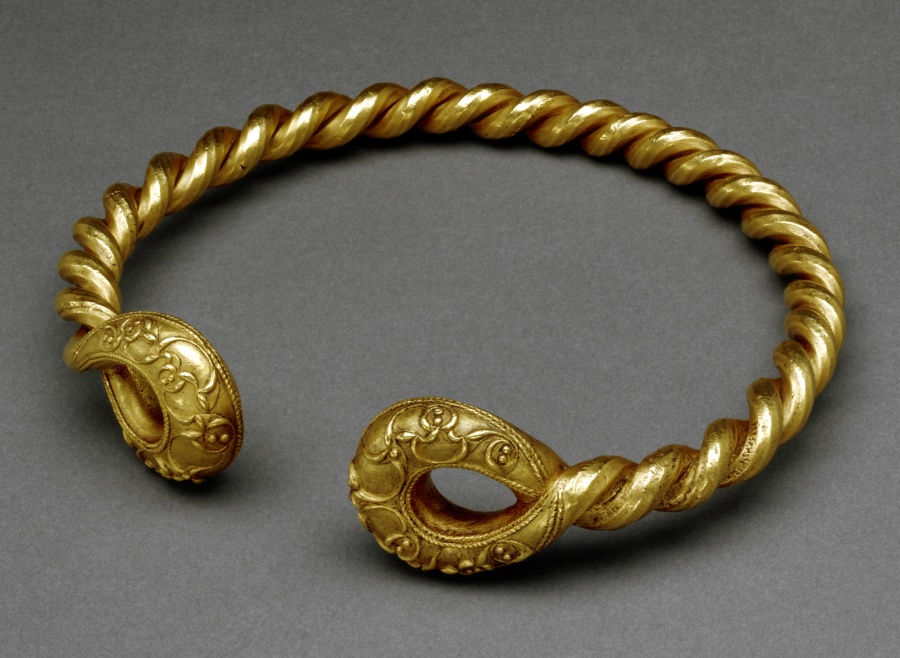
Join us as we unravel ancient wealth accumulation and resilience, and discover how these insights can shape your contemporary financial strategies. Get ready to embark on a transformative journey towards financial prosperity.
Economic Foundations of Ancient Civilizations
Explore early forms of currency and barter systems to understand the economic foundations of ancient civilizations. In ancient times, people exchanged goods and services through barter systems, using early forms of currency such as livestock, grains, and precious metals.These transactions formed the basis of economic structures that sustained ancient societies.
Trade routes played a crucial role in facilitating commerce, allowing for the exchange of goods and ideas between different regions. The insights gained from studying these early economic practices can offer valuable lessons for contemporary institutions.
By understanding how ancient civilizations navigated economic challenges and harnessed opportunities, modern financial planners can gain important financial insights. Recognizing the significance of trade routes and the evolution of currency provides a historical context for the development of financial systems.
Parallels Between Ancient and Modern Financial Practices
Drawing on the insights gained from studying the economic foundations of ancient civilizations, you can now uncover compelling parallels between their financial practices and those of modern institutions. The economic principles that sustained ancient societies, such as trade routes and commerce, bear striking resemblance to the financial mechanisms that underpin modern institutions. Just as ancient treasures played a crucial role in wealth accumulation, today's financial institutions manage vast sums of wealth through similar mechanisms.By exploring the evolution of financial systems from ancient times to the present, you can glean valuable historical insights that inform modern financial strategies. These historical insights offer invaluable financial lessons, emphasizing the importance of long-term financial planning and resilience in today's complex economic landscape.
As you delve into the parallels between ancient and modern financial practices, consider the relevance of ancient wisdom in shaping contemporary strategies. Ultimately, the connections between historical insights and current financial planning underscore the enduring nature of sound economic principles and the timeless relevance of lessons learned from ancient civilizations.
Wealth Management in Ancient Ruins
As you transition to the subtopic of 'Wealth Management in Ancient Ruins', delve deeper into the role of ancient treasures in wealth accumulation and the methods utilized by ancient civilizations to preserve and grow their wealth.Ancient treasures, ranging from precious metals and gemstones to intricate artifacts, played a pivotal role in wealth accumulation for ancient societies. The methods of preservation employed by these civilizations provide valuable financial insights even in the modern era.
Archaeological discoveries have unveiled various techniques such as secure storage facilities, intricate burial customs, and even early forms of banking systems. Understanding how ancient civilizations safeguarded and multiplied their wealth can offer profound lessons for contemporary wealth management practices.
Studying the methods of preservation used by ancient civilizations sheds light on the importance they placed on wealth accumulation and the strategies they employed to ensure its longevity. By exploring these historical practices, you can gain valuable financial insights, enabling you to adapt and refine your own wealth management strategies in the present day.
Lessons Learned From Ancient Civilizations
Delving into the financial wisdom of ancient civilizations reveals valuable insights for modern wealth management practices. Learning from the successes and challenges of ancient societies offers essential lessons for contemporary financial strategies. Here are some key takeaways to evoke emotion in the audience:- Long term planning: Ancient civilizations exemplified the importance of thinking ahead and laying the groundwork for sustained prosperity.
- Resilience: Despite facing adversities, ancient societies displayed remarkable resilience in their economic systems, providing valuable lessons in navigating uncertainties.
- Currency systems: Studying ancient currency systems sheds light on the evolution of monetary practices and the significance of stable financial exchange mechanisms.
- Trade routes: The establishment and management of trade routes by ancient civilizations underscore the pivotal role of commerce in driving economic growth and prosperity.
- Financial institutions: Ancient financial institutions offer insights into the development of structured financial systems and the facilitation of economic activities through organized entities.
These timeless principles of long-term planning, resilience, currency systems, trade routes, and financial institutions resonate with modern financial challenges, providing valuable guidance for navigating today's complex financial landscape.
Transition to Modern Financial Planning
You can seamlessly transition from the financial wisdom of ancient civilizations to modern financial planning by recognizing the enduring relevance of historical insights in shaping contemporary wealth management strategies. The evolution of financial systems from ancient times to the present provides valuable lessons for developing effective modern financial strategies.Historical insights offer a unique perspective on wealth management, highlighting the enduring principles that have stood the test of time. By drawing parallels between ancient wisdom and contemporary strategies, you can gain a deeper understanding of financial resilience and long-term planning.
In today's complex financial landscape, professional guidance is essential for navigating the intricacies of modern financial planning. While ancient civilizations relied on their own methods of wealth preservation and growth, professional financial advisors now offer specialized expertise in aligning historical insights with modern solutions.
Embracing the link between ancient wisdom and modern financial strategies can provide a solid foundation for your personal financial planning.
Seek professional guidance to effectively apply historical insights to your wealth management approach your wealth management approach and ensure a seamless transition to modern financial planning.
