



Understanding Hamon Lines: The Beauty of Hand-Forged Katanas
Submitted by Andy_B on Tuesday, 28 October 2025 Page Views: 301
Resources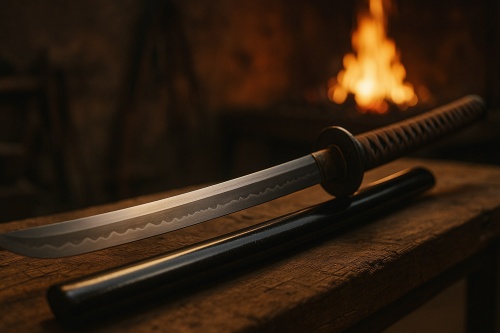 When you first see a katana blade, one of the most captivating features is the hamon line. This subtle, often wavy marking near the cutting edge is more than just decoration. It represents both craftsmanship and functionality, connecting modern collectors to centuries of Japanese sword-making tradition. To fully appreciate the beauty of a hand-forged katana, it helps to understand what a hamon line is, how it’s created, and why it remains such an admired feature.
What Is a Hamon Line?
A hamon is the visible line on a blade where the hardened cutting edge meets the softer spine. It appears after a special heat treatment process known as differential hardening. The pattern is not painted or etched on the steel, but instead formed during forging and brought out during the polishing stage. The hamon serves as proof of the blade’s structure: a hard, sharp edge that can hold against cutting, paired with a spine that is softer and more flexible, giving the weapon resilience in battle. For collectors, the hamon is a blend of science and art, evidence of a swordsmith’s expertise and a reminder of the traditions behind the blade.
How Is a Hamon Line Created?
The creation of a hamon line is a careful, highly skilled process. First, the swordsmith applies a special mixture of clay to the blade before heating. A thicker layer is placed along the spine to slow cooling, while the cutting edge is left bare or only lightly coated. When the blade is heated and then quenched in water or oil, the exposed edge cools rapidly, hardening into a sharp, strong cutting surface. The clay-insulated spine cools more slowly, remaining tougher and less brittle. This difference in cooling speeds produces the hamon line, marking the transition between the two steel structures. Once the blade is polished, the hamon becomes visible as a glowing or mist-like line, shimmering in the light. Each hamon is unique, shaped by the smith’s hand, the clay application, and the quenching technique. It is, in many ways, the fingerprint of a katana.
Common Hamon Styles
Over time, Japanese swordsmiths developed many different hamon styles, some simple and others intricate. The straight hamon, known as suguha, runs in a neat line parallel to the edge. Wavy hamon, called midare, undulates gracefully and is among the most popular styles. Choji hamon, shaped like clove petals, creates a floral pattern across the blade, while other smiths experimented with irregular, complex, or mixed designs. In addition, the hamon at the tip of the blade, known as the boshi, often has its own distinct pattern. These stylistic differences were not random. They reflected the smith’s school, regional traditions, and even the intended use of the blade. Today, collectors admire these patterns not only for their beauty but also for the history they represent.
Real Hamon vs Fake Hamon
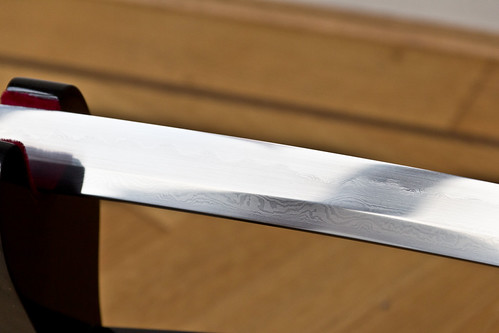
With the growing popularity of replica swords, many hamon lines you see today are not real. Instead, they are created by acid etching, wire brushing, or machine finishing to mimic the appearance of a true hamon. For a decorative display sword, this may be enough, but for collectors, the difference is significant. A genuine hamon comes from the forging and hardening process, meaning the blade has been crafted with traditional skill. Fake hamon lines, however, do not indicate any structural difference in the blade; they are purely cosmetic. Real hamon lines also tend to shimmer and change in appearance when the blade is tilted under light, a quality that fake versions often lack. The fine grain within a true hamon, known as nie and nioi, reveals tiny bright particles and mist-like features that are impossible to replicate with simple surface etching. Knowing how to spot the difference helps buyers avoid disappointment when searching for authentic pieces.
Why Collectors Value Hamon Lines
Collectors place high value on hamon lines for several reasons. First, they are proof of craftsmanship. A real hamon shows that the swordsmith has carried out differential hardening with precision, ensuring the blade has both sharpness and durability. Second, they are admired for their beauty. The contrast between the polished steel and the glowing hamon gives each katana a unique character, much like a work of art. Third, they carry cultural and historical weight. The development of hamon patterns reflects centuries of Japanese tradition, where each school and region had its own style. Finally, they serve a functional purpose in true battle-ready blades. The hardened edge holds a keen sharpness, while the softer spine absorbs impact, striking a balance between strength and flexibility. Even when modern collectors purchase replicas, the presence of a hamon line—real or simulated—remains a feature that connects the blade to its origins.
Caring for a Katana with a Hamon Line
Owning a katana with a visible hamon comes with a responsibility to care for the blade properly. The hamon is part of the steel, not a painted feature, but it can still be dulled or obscured if not maintained. To keep it in good condition, clean the blade regularly with a soft, non-abrasive cloth. Many collectors use light mineral oil or traditional sword oil to protect against rust. Avoid touching the blade with your bare hands, as fingerprints can leave marks and cause corrosion over time. Store the sword in a dry, controlled environment to prevent moisture damage. If the blade ever requires polishing, it is best left to a professional, as improper polishing can damage the steel and diminish the visibility of the hamon. With proper care, a katana’s hamon line can remain striking and beautiful for years.
The Artistic and Symbolic Meaning of Hamon
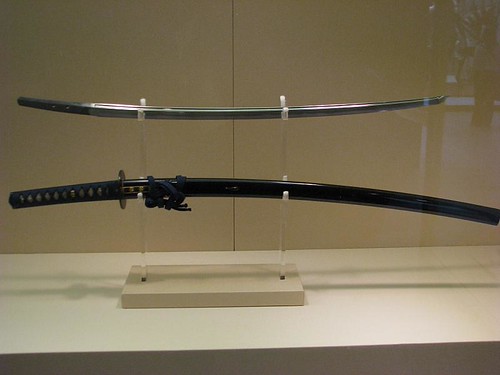
Beyond their functional role, hamon lines also carry symbolic meaning. They reflect the idea of harmony: strength and sharpness in balance with flexibility and resilience. To Japanese culture, the katana was never just a weapon; it was a reflection of the warrior’s spirit. The hamon, born from fire, clay, and water, represents the discipline, patience, and artistry of the swordsmith. Each line tells a story, reminding us of the centuries-old techniques passed down from master to apprentice. Even for those who collect replicas, the hamon is a powerful link to this heritage.
Final Thoughts
Hamon lines are one of the most fascinating aspects of Hand Forged Katana. They are the result of centuries of refinement in Japanese sword-making, combining science, skill, and artistry. A real hamon is more than decoration; it is evidence of tradition and craftsmanship. For collectors and enthusiasts, understanding the difference between authentic and fake hamon is essential. Whether you admire them for their beauty, their historical value, or their symbolic meaning, hamon lines remain a timeless feature that sets katanas apart from all other blades. Owning a katana with a visible hamon is like holding a piece of history, where every line and pattern is a silent testament to the skill of the smith who forged it.
With many thanks to Bobo Boom and Emmanuel H. for the Creative Commons photos above.