


Tracing Ancient Civilisations Along the Mediterranean
Submitted by Andy_B on Wednesday, 27 August 2025 Page Views: 79
Resources
Cruises from Southampton allow you to walk along its shores or stand among its ancient stones is to sense that deep continuity, a dialogue across centuries where each civilisation built upon the echoes of those before.
Malta: The Island of the First Builders
On the rocky islands of Malta, the story of Mediterranean civilisation begins with stone. Long before the pyramids of Egypt, Neolithic communities here carved immense blocks from limestone and assembled them into temples that still stand today. Ħaġar Qim and Mnajdra, set high above the glittering sea, are not only architectural marvels but cosmic instruments: their entrances frame the rising sun during solstices, casting light deep into inner chambers.Standing within these walls, you can imagine the hum of ritual, the scent of burning herbs, and the low murmur of voices rising against the sound of waves. These temples remind us that the sea was never just a backdrop; it was part of the ritual world, the link between land, sky, and the mysteries beyond.
Greece: Between Myth and Marble
Sailing eastward into the Aegean, the islands of Greece rise like stepping stones scattered across the water. Here, mythology and history blur, heroes, gods, and mortals all walked the same rugged terrain. At the Acropolis in Athens, the Parthenon crowns the city, its columns glowing golden at sunset. Yet beneath the grandeur of marble lies a tradition that reaches back to simpler stone shrines, built by communities seeking divine favour for safe journeys and fertile harvests.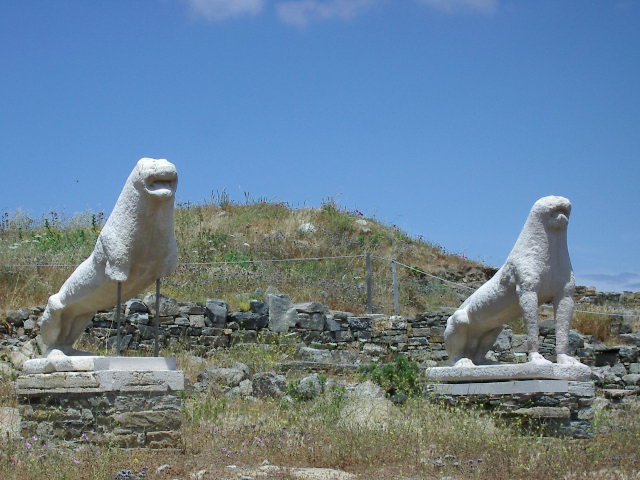
On islands like Delos or Naxos, you find fragments of sanctuaries dedicated to Apollo or Dionysus. The air is thick with myth: Delos, birthplace of the twin gods, was once a centre where traders, pilgrims, and storytellers converged. The Mediterranean carried not only goods but legends, spreading them far beyond Greek shores.
Italy: Stones of Power and Persistence
Italy holds both empire and endurance. Rome, with its forums, aqueducts, and harbours, became the heartbeat of the Mediterranean. Ships from every corner of the known world docked here, carrying spices, amphorae of wine, and whispers of distant lands. Yet Italy is more than Rome. On Sardinia, the nuraghi rise like watchtowers of stone, mysterious and enduring, built long before Roman legions set foot on the island.In Sicily, Greek theatres cling to the hillsides, facing out to sea. To sit among their stone tiers is to understand how landscape shaped ritual: the horizon became part of the performance, the natural world merging with art and myth. The Mediterranean here was both boundary and bridge, defining cultures while uniting them through shared waters.
Spain: Where the Sea Meets the Stones
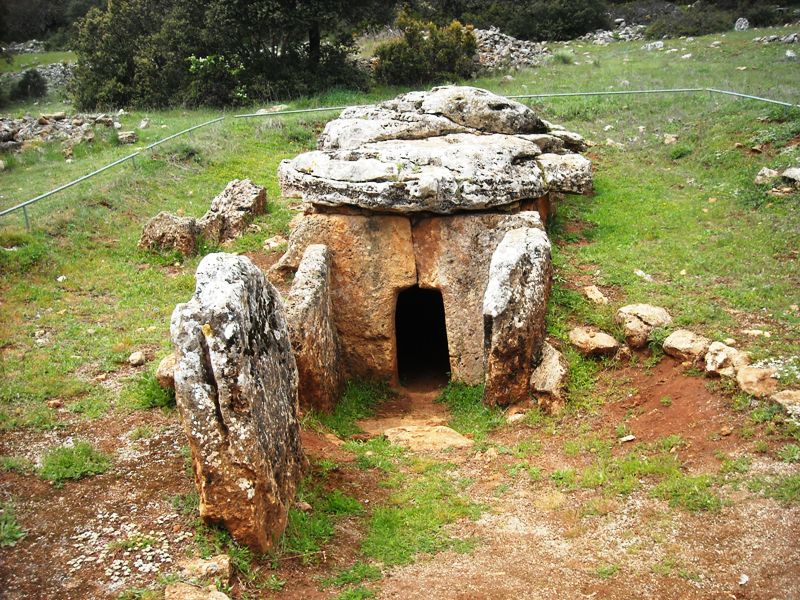 At the western edge of the Mediterranean, Iberia offers a blend of Atlantic and Mediterranean worlds. Dolmens stand scattered across Andalucía and Extremadura, their chambers aligned to the sun, their stones weathered but steadfast. These megaliths were built by communities for whom the sun, moon, and stars were as vital for navigation as they were for ritual.
Later, Phoenicians, Carthaginians, and Romans sailed into Iberian harbours, leaving their own marks, ports, mosaics, and amphitheatres. But the older stones remain, reminding us that long before written records, people here already sought permanence in stone, their monuments testaments to continuity across shifting tides of culture.
A Shared Sea, A Shared Story
Bolsover Cruises allow you to experience the Mediterranean, from Malta’s solstice temples to Spain’s dolmens, the Mediterranean tells a story of connections. It is a sea that united as much as it divided, its waves carrying not just traders but priests, builders, and dreamers. Across its shores, people raised stones towards the heavens, aligned with the rising sun or the setting stars, weaving the sea itself into their sacred landscapes.The monuments that endure along its coasts are more than relics, they are markers of a shared human journey. They remind us that civilisations are not isolated chapters but parts of a greater whole, bound by water, stone, and sky.
