



The Most Intriguing Rock Formations In The UK
Submitted by Andy_B on Friday, 11 July 2025 Page Views: 258
Resources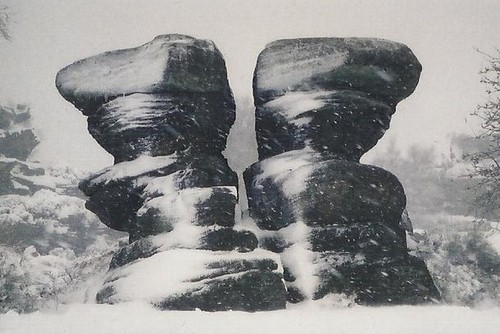
After surviving several wars and battles, watching the evolution of the human race, and even remaining at the same time as modern technology discovered the likes of video games and online slots, rock formations can be fascinating.
Giant’s Causeway
Located in the far north of Northern Ireland, the Giant’s Causeway was formed around 50 to 60 million years ago as a result of volcanic activity. It resulted in lava flowing and cooling, forming some distinct hexagonal rock shapes. There are over 40,000 individual basalt columns formed, making it an extremely popular tourist location and inspiration for plenty of movies, such as Dr Who, Game of Thrones and even features in the Assassin's Creed Valhalla video game. What makes the theme even more fascinating is the height of some of the columns, reaching a whopping 39 feet.This natural landform has seen some changes over the millions of years it has stood as a result of erosion, but this landform is still an extremely interesting place to visit. It brings in over a million tourists each year, and helps to support the local wildlife, whether it be marine or even birds, as well as hosting its own mythology of a Giant who once used the column to build a bridge to Scotland. Full of mythology, fascinating scenery, and great benefit to the local area, Giant’s Causeway is a very intriguing rock formation.
Brimham Rocks
Brimham Rocks is just one of many incredible nature reserves scattered across Yorkshire, but is definitely one of the most breathtaking as a result of how the structures have come to be. The rocks themselves are made from a type of sandstone that would have been formed over 320 million years ago. Over time, natural events like weathering occurred, resulting in the formation of some extremely unique rock shapes that have even resembled objects, such as the Dancing Bear, the Sphinx, and even the Camel. It brings in plenty of tourists in the 100,000s, benefiting the local area. Tourism ranges massively, from walking and family trips to the site, to inviting rock climbers who may enjoy taking on the unusual shapes that pose a challenge.Despite the unique shapes and even some relocated objects, the entire site was completely formed naturally through erosion, with no human assistance or tools at any stage of the rock’s formation, which makes some of them even more interesting. While unfortunately the site doesn’t have as big a media coverage as others on this list, it still has its own folklore, suggesting the natural sculptures could have been crafted by giants.

Durdle Door
Unlike the previously named formation on this list, Durdle Door is an extremely iconic land form that has been seen by many through the media, photography and even featured in some massive TV shows. The arch is a product of millions of years of erosion, dating back over 140 million years since it began forming. It is made from limestone as part of the famous Dorset Jurassic Coast, with a small pebble beach underneath that is equally as popular as the landform itself. Over 500,000 people visit the formation each year in order to photograph the site, venture on one of the many walks along the coastline, or even just to take in the beauty of the coastline.As a result of being one of the most photographed coastal scenes in the UK, it has featured in plenty of mainstream films, TV shows and even music videos, including Nanny McPhee in 2005, Dr Who in 2022 and even in the ‘Shout’ music video by Tears for Fears in 1985. Unfortunately, due to increasing concerns, the arch can no longer be walked on and is closed off to the general public as a result of its potential to erode and fall onto the beach below. However, while it still stands, efforts have been put in to maintain the arch, we will more than likely continue to see this famous landmark in plenty more shows, photography and general pop culture.
To Conclude
The UK is full of incredible rock formations that are simply fascinating due to their age, how the rocks have formed and even the mythology behind them. These rock forms will be continuously evolving as a result of erosion, meaning who knows what they will look like in the future. Plenty more could've been named on this list, with a few honourable mentions including:Moine Thrust - Scottish Highlands
Old Harry - Dorset
The Needles - Isle of Wight
Fingal’s Cave - Isle of Staffa
