

The Folklore of Gold and Fairy Forts: Where the Leprechaun Legend Comes From
Submitted by Andy_B on Tuesday, 09 June 2026 Page Views: 107
Resources I want to say something that might sound rude about a beloved cultural figure. The leprechaun most people know, the little green man with the buckled hat and the pot of gold, is basically a Victorian invention. The actual creature underneath that image is considerably older and considerably weirder.
This origin story gets stranger the further back you follow it. By the end you are looking at ancient water spirits, a solar deity pushed underground by Christianity, and thousands of earthworks that Irish farmers refused to plough through for centuries because everyone knew something was living in them.
The Rainbow Riches slot series, available on UK licensed platforms like Boylesports, built one of the most successful gaming franchises of the last two decades on this mythology. The gold, the rainbow, the mischievous guardian. Those images have a much longer and darker history than the game lets on.
The Ringforts Nobody Would Touch
There are somewhere between 45,000 and 60,000 circular earthwork enclosures in Ireland. Ringforts, raths, fairy forts depending on who you ask. Most date from the Iron Age through the early medieval period and most were originally just enclosed farmsteads with a bank and ditch around them for protection.
When the people who built them were forgotten, folklore filled the gap. These circular earthworks became the homes of the Sí, the fairy folk. There are documented twentieth century cases of road engineers rerouting planned routes because communities refused to allow a fairy fort to be disturbed. The ringfort records on The Megalithic Portal give some sense of how many of these structures survive and how persistently they have been treated as something other than ordinary ground.
The God Who Got Smaller
The word leprechaun comes from the Old Irish luchorpán meaning small body. But the theories about what that small body actually is reach back considerably further than the word itself.
One theory I find genuinely compelling connects the leprechaun to Lugh, one of the most powerful figures in the Celtic pantheon. Lugh was the sun god of the Tuatha De Danann, patron of craftsmanship, celebrated at Lughnasadh in August. When Christianity pushed the old gods underground into the fairy mounds, Lugh may have become Lugh-chromain, stooping Lugh. The great solar deity diminished into a small craftsman fairy hiding in a fort, guarding gold nobody could reach.
What Was There Before the Shoemaker
The eighth century Irish text Echtra Fergusa maic Leti describes small aquatic sprites called lúchoirp who capture the hero Fergus while asleep, steal his sword and try to drag him into the sea. These are not jolly little men. They are physically capable of subduing a warrior.
The journey from that creature to the harmless buckle-hatted figure on a St Patrick's Day card took about a thousand years of retelling. The Victorian era finished the job. Most of the genuinely interesting bits got lost along the way and what survived was something considerably more marketable than what came before it.
The Rainbow and What It Was Marking
The pot of gold at the end of the rainbow is one of the later additions and it is more philosophically interesting than it appears. In Celtic tradition the rainbow was a threshold, a boundary between the visible world and something else. Putting treasure at its end places that gold permanently out of reach. You can see where it is. You cannot get to it.
That is the real leprechaun story underneath the commercial version. Not a cheerful figure who grants wishes if you catch him but a guardian of something that exists in a liminal space between worlds. The ringforts nobody would plough through, the gold nobody could ever reach, the rainbow that always ends just beyond you. The same idea running through all of it.
What Survives
For anyone who studies the prehistoric landscape of Ireland and Britain, the fairy fort connection is the most interesting thread in the whole mythology. The folklore preserved something archaeologically real, the presence of thousands of ancient monuments across the countryside, long after the people who built them were forgotten.
The megalithic tradition of recording these sites is the modern continuation of a very old human instinct to pay attention to what earlier people left behind. The leprechaun legend, stripped of its Victorian coating, is part of that same tradition. It kept the ringforts safe for centuries. That is not nothing.
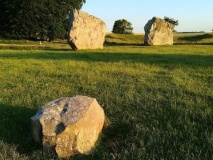
With many thanks to Bill Rogers for the Creative Commons photo at top.
Always gamble responsibly.
