



The Ancient Origins of Alcohol
Submitted by Andy_B on Wednesday, 03 June 2026 Page Views: 120
Resources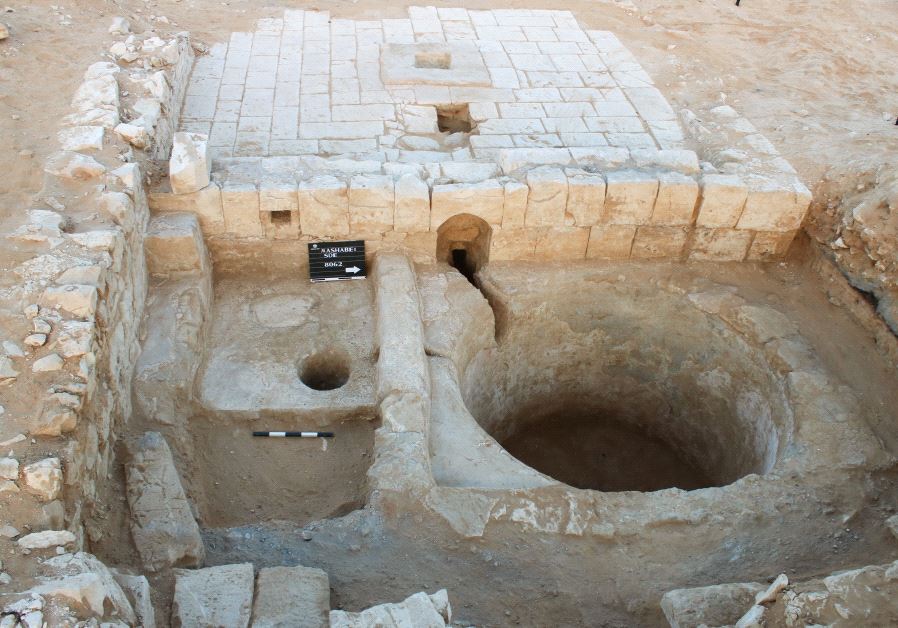
Archaeological evidence suggests that alcohol was not only consumed for pleasure, but also used in religion, medicine, and social ceremonies. The story of alcohol is deeply connected to the development of culture itself, revealing how early humans discovered fermentation and incorporated it into everyday life.
The First Fermented Drinks
The origins of alcohol likely began by accident. Early humans may have discovered fermentation when fruit or grains were left in warm conditions, allowing natural yeast to convert sugars into alcohol. Once people recognised the effects of these fermented substances, they began intentionally producing alcoholic drinks.Some of the earliest evidence of alcohol production comes from China, where archaeologists discovered pottery vessels dating back around 9,000 years containing traces of fermented rice, honey, and fruit. Similar discoveries have been made in the Middle East, particularly in areas connected to the ancient civilisations of Mesopotamia.
Beer became one of the earliest and most widespread alcoholic drinks. The Sumerians, who lived in Mesopotamia around 4,000 BCE, brewed beer from barley and documented recipes on clay tablets. Brewing was so important that beer even featured in religious hymns and myths. In Ancient Egypt, beer was consumed daily by people from all levels of society and was often safer to drink than untreated water.
Wine in the Ancient World
Wine later became a symbol of sophistication and status, especially in Ancient Greece and Rome. Grapes were cultivated extensively throughout the Mediterranean, and winemaking techniques improved over centuries.The Greeks viewed wine as both a social and intellectual drink. Gatherings known as symposia brought together philosophers, politicians, and poets who drank wine while discussing politics, art, and philosophy. However, moderation was considered essential. Excessive drunkenness was criticised because it was believed to encourage poor behaviour and weaken self-control.
The Romans expanded wine production across Europe as their empire grew. Vineyards spread into regions that are now France, Spain, and Britain. Wine became central to Roman culture and religion, often associated with the god Bacchus, who represented wine, celebration, and excess.
Alcohol and Religious Rituals
Alcohol also held spiritual significance in many ancient societies. Fermented drinks were commonly used in religious ceremonies and offerings to the gods. In Egypt, beer and wine were placed in tombs to accompany the dead into the afterlife. Greek and Roman festivals often included heavy drinking as part of worship and celebration.In some cultures, alcohol was believed to create a connection between humans and the divine. Priests and religious leaders sometimes consumed intoxicating drinks during rituals to enter altered states of consciousness. Mead, made from fermented honey, was especially important in northern European traditions and was often linked with mythology and sacred ceremonies.
Addiction in Ancient Times
Although alcohol was widely accepted in ancient societies, there is clear evidence that people recognised the dangers of excessive drinking. Ancient texts from Greece, Rome, and Egypt describe drunkenness, reckless behaviour, and the negative consequences of overindulgence.Greek philosophers such as Plato and Aristotle warned about the moral and social risks associated with alcohol abuse. They believed moderation was necessary for maintaining discipline and balance in society. Roman writers also criticised habitual drunkenness, particularly among political leaders and soldiers.
While ancient people did not understand addiction in scientific terms, they observed behaviours that resemble modern addiction. Some individuals became dependent on alcohol, struggled to control their consumption, and experienced social or personal decline as a result. Addiction was generally viewed as a failure of character or self-control rather than a medical condition and naturally, you wouldn’t really find any alcohol help available to people.
The Legacy of Ancient Alcohol
The ancient history of alcohol demonstrates how deeply fermentation is woven into human civilisation. From early beer brewing in Mesopotamia to the vineyards of Rome, alcohol shaped religion, trade, agriculture, and social life across the ancient world.At the same time, ancient societies recognised that alcohol could have harmful effects when consumed excessively. Their attempts to encourage moderation mirror many modern discussions about responsible drinking today.
