



Supporting Health, Movement and Lifelong Wellbeing
Submitted by Andy_B on Tuesday, 13 January 2026 Page Views: 54
Resources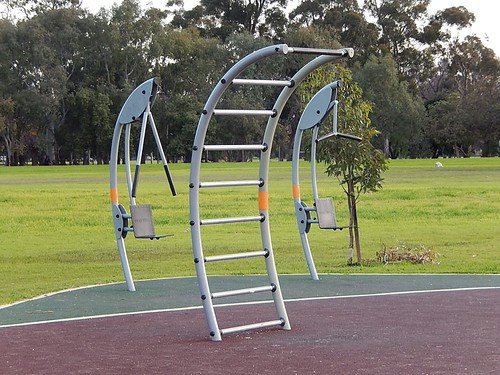 Health and wellbeing are increasingly understood as a combination of prevention, education and active lifestyles. From oral health and professional healthcare training to accessible opportunities for physical activity, modern approaches focus on supporting people at every stage of life. By investing in specialist care, education and community resources, individuals and organisations can contribute to healthier, more resilient communities.
The role of orthodontics in long-term oral health
A healthy smile is about more than appearance; it plays an important role in overall oral function and confidence. Services provided by basingstoke orthodontics focus on correcting alignment issues that can affect chewing, speech and long-term dental health. Orthodontic treatment is suitable for both children and adults, with modern options offering greater comfort and discretion than ever before.
Correcting misaligned teeth can make oral hygiene easier, reducing the risk of decay and gum disease. Early assessment often allows issues to be addressed before they become more complex, but adult orthodontics is also increasingly common as people prioritise long-term dental wellbeing. Professional orthodontic care ensures treatment plans are tailored to individual needs, supporting both health and confidence.
Education and professional development in healthcare
Alongside clinical services, education plays a vital role in maintaining high standards of care. Manual therapies, in particular, require a strong foundation in anatomy, technique and patient care. Osteopathy courses provide structured training for those seeking to enter or advance within this field, combining theoretical knowledge with hands-on practice.
These courses equip students with the skills needed to assess, diagnose and treat a range of musculoskeletal conditions. Beyond technical ability, training emphasises patient communication, ethics and evidence-based practice. Ongoing education ensures practitioners remain up to date with best practices, supporting safe and effective treatment outcomes.
Professional training also contributes to the wider healthcare system by increasing access to qualified practitioners. As demand for holistic and non-invasive therapies grows, well-trained professionals are essential to meeting patient needs responsibly.
Encouraging movement through accessible outdoor activity
While professional care and education are important, everyday physical activity remains a cornerstone of good health. Communities are increasingly investing in outdoor exercise equipment to encourage movement in accessible, inclusive ways. Installed in parks, schools and public spaces, this equipment allows people of all ages and abilities to engage in regular physical activity.
Outdoor exercise equipment supports cardiovascular fitness, strength and flexibility without the need for gym memberships or specialised facilities. It also promotes social interaction and mental wellbeing by encouraging people to spend time outdoors. For local authorities and organisations, these installations represent a cost-effective way to support public health initiatives.

A holistic approach to wellbeing
Orthodontic care, professional healthcare education and opportunities for physical activity may appear distinct, but they share a common goal: supporting long-term wellbeing. Preventative dental care reduces future health issues. High-quality training ensures safe, effective treatment delivery. Accessible exercise opportunities help people maintain mobility and strength throughout life.
When combined, these elements create a more holistic approach to health. Individuals benefit from coordinated care and lifestyle support, while communities benefit from reduced strain on healthcare services and improved quality of life.
Long-term benefits for individuals and communities
Investing in health-focused services and infrastructure delivers lasting benefits. Effective orthodontic treatment supports oral health well into adulthood. Professional training ensures a skilled workforce capable of meeting evolving healthcare needs. Public exercise facilities encourage healthier habits that can reduce the prevalence of chronic conditions.
From a societal perspective, these investments contribute to more active, informed and resilient populations. They also support inclusivity by making health resources available to a wider range of people, regardless of age or background.
Adapting to changing health priorities
Health priorities continue to evolve as awareness grows around prevention, early intervention and lifestyle-related conditions. Services and facilities that support proactive health management are becoming increasingly important. This shift places greater emphasis on education, accessibility and long-term planning.
By embracing this approach, healthcare providers, educators and local authorities can respond more effectively to future challenges while supporting individual wellbeing today.
With many thanks to Michael Coghlan and Forgemind ArchiMedia for the Creative Commons images above.