
Stones in Motion: Time‑Lapse and Aerial Video Reveal Megalithic Landscapes
Submitted by Andy_B on Thursday, 12 February 2026 Page Views: 1608
Resources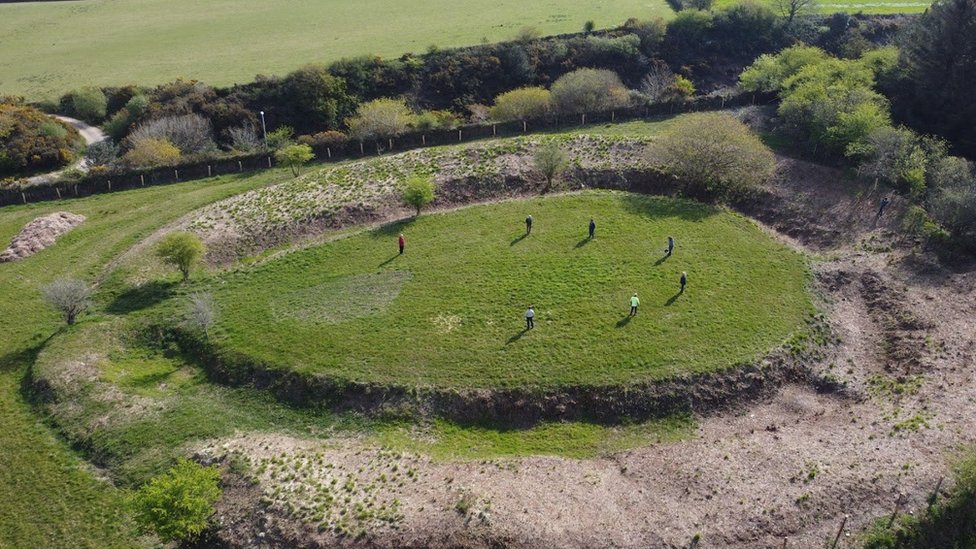
Ancient Stones in Motion: How Time‑Lapse and Aerial Video Reveal Megalithic Landscapes
Ancient stones that have withstood ages of wind, rain, and creeping flora convey a silent weight. They don't explain themselves, which is part of what draws people in. These sites feel huge not only physically, but also emotionally. The trouble is that films do not always agree. Handheld film frequently flattens the experience, while still photographs can unintentionally make something massive appear strangely little. This is where time-lapse and drone filming start to matter. Aerial movement, shifting light, carefully paced edits, and suddenly the landscape breathes. These techniques help convey scale in a way ground-level shooting rarely can. Not perfectly, of course, but closer. Much closer.
The Influence of Aerial Views
Aerial perspectives quietly change how megaliths are perceived. From above, menhirs, dolmens, and stone circles stop being isolated objects and start revealing relationships.Flying a drone alone does not guarantee quality video. The choice of equipment is really important. Currently, DJI dominates a significant share of the drone industry.
Choose tiny drones (DJI Mini 3 or DJI Mini 4 Pro) to maneuver among obstacles like rocks and trees. Or buy more advanced DJI Air 3 and Mavic 3 Classic to get enhanced control, superior image sensors, and improved performance in low-light conditions, which is especially advantageous after sunset.
Time-lapse and drone footage tend to complement each other in a surprisingly natural way. One captures movement across space, the other across time. Bringing vertical and horizontal motion together like this creates something that feels both vast and temporary. And that contrast, say it plainly, is kind of the point.
Time-Lapse Techniques You Have To Try
Time-lapse shooting allows us to condense hours of natural activity into seconds. It's ideal for old stone sites where changing light and weather may drastically affect the atmosphere.Shooting time-lapse effectively requires:
1. Sturdy tripod placement: Megalithic sites often have uneven ground. Stabilizing your camera prevents jarring shakes.
2. Interval planning: Decide whether you want rapid changes (short intervals) or slow transitions for longer sequences.
3. Exposure management: Gradual changes in daylight can cause flicker. Many cameras have “auto exposure smoothing” or you can adjust in post.
When merged with aerial sequences, time-lapse adds rhythm, illustrating not only the site’s permanence but also the relentless passage of time.
Converting and Preparing Footage
One of the technical hurdles in shooting drones is file formats. Many drones record in AVI or MOV formats, and improper conversion can corrupt footage or introduce glitches.Using an AVI to MOV converter is often necessary. The key is to preserve original resolution and frame rate. A few tips:
1. Avoid batch conversions with defaults – check settings for each clip.
2. Maintain original frame rate to prevent audio drift or motion distortion.
3. Test a short segment first before converting hours of footage.
If you convert your drone footage correctly, it will still be useful and of good quality when you add it to your video editor.
Basic Video Editing for Megalithic Landscapes
Even the most stunning raw footage often feels incomplete without careful editing. Video editing software allows you to combine drone video with time lapse video, creating a narrative flow.Some basic principles include:
• Layering perspectives: Switch between close-ups of single stones, walkthroughs from the ground, and wide views from above. This pair of images shows size.
• Color grading: Small changes can bring out the details in textures, shadows, and background light without making the stones look fake.
• Crossfades or soft zooms can be used to connect scenes smoothly. Cuts that happen quickly could ruin the feeling of being alone in abandoned landscapes.
• Bring out movement: Motion cues can come from clouds, plants, or animals moving by. Even small changes in the way light moves across a field movie give it depth.
A well-edited sequence lets viewers feel the monument’s weight, history, and connection to its surroundings.
Putting Footage Together and Fostering Cohesion
Often, your film will be sourced from various cameras, drones, or time-lapse sequences. It is critical to smoothly integrate these clips.Start with a storyboard: imagine a journey around the site. Which aerial shots establish location? Which ancient stones places require close attention? Then layer your time-lapse sequences where light or weather provides the most dramatic impact.
Technical tips:
• Use consistent frame rates to avoid jitter.
• Normalize colors between shots to prevent noticeable shifts.
• Avoid overusing effects; the natural texture of stones is usually cinematic enough.
Even simple editing tricks can elevate the storytelling significantly.
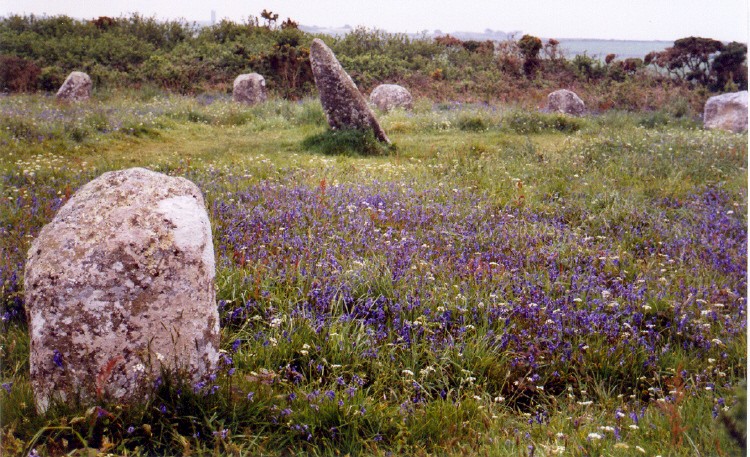
Pro Tips for Your Storytelling
For those ready to go a bit further, storytelling starts to live in the details.Flying at different heights, for example, can quietly change the entire mood. Low passes bring the viewer close to the stones – close enough to feel their texture and weight. Higher flights pull back and reveal the wider picture, the land stretching out around them, sometimes almost swallowing the monument. Both perspectives matter. The contrast between them does the work.
Playing with time-lapse speeds adds another layer. Faster sequences let clouds race across the sky, creating urgency, movement, a sense that time is slipping by. Slower ones do the opposite. They invite patience, letting shadows creep across the ground almost unnoticed – until, suddenly, you notice. And yes, sound plays a role too. Nothing loud or dramatic. Just wind brushing past, distant birds, a low ambient hum.
Still, none of this works without a sense of direction. That part is easy to forget. Even the most striking archaeological sites benefit from a deliberate visual path – showing stones in sequence, choosing angles with intention, guiding the eye from one moment to the next. It’s less about showing everything and more about suggesting discovery. Scale, after all, is something the viewer needs to arrive at, not be told about.
