


Planning a Holiday Around the Bali Ancient Ruins
Submitted by Andy_B on Wednesday, 02 July 2025 Page Views: 400
Resources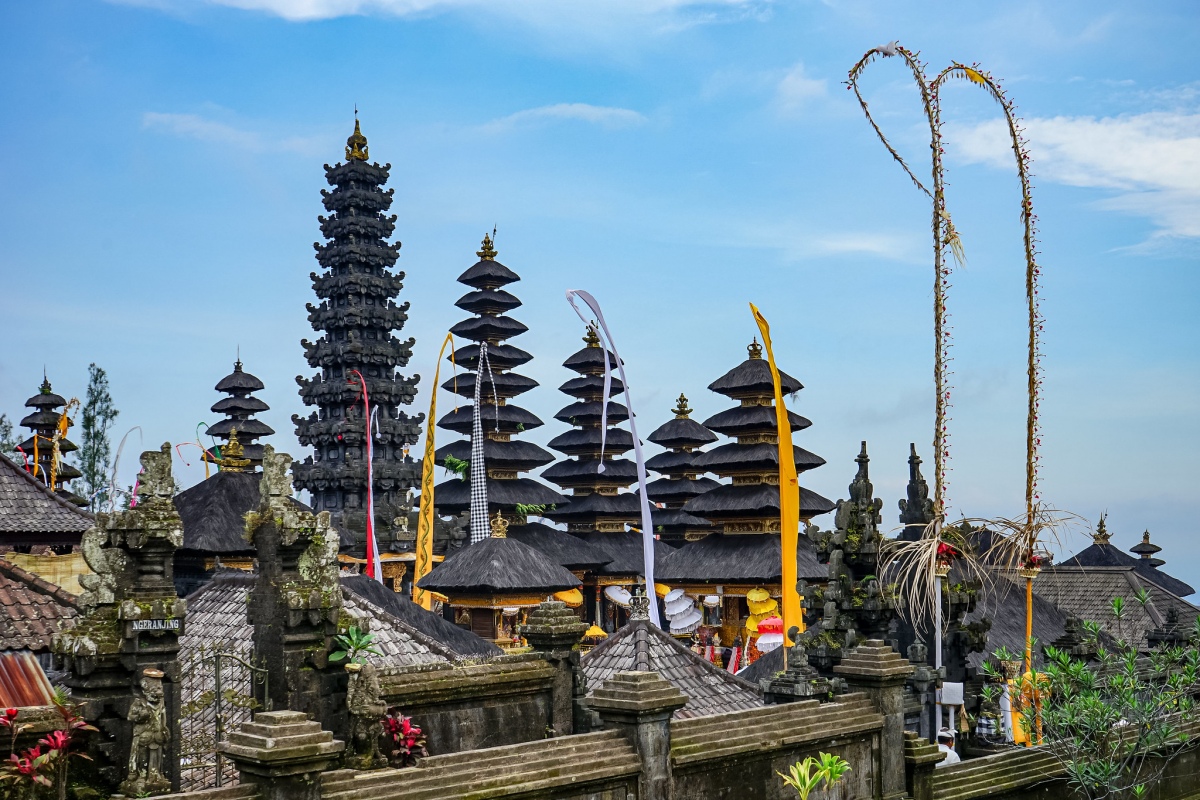
Exploring these ruins isn’t just about sightseeing—it’s a chance to connect with the island’s soul, witness its living traditions, and appreciate the craftsmanship that has endured for generations. It transforms your holiday into a journey of discovery and respect for Bali’s timeless beauty.
Read on to plan a holiday that truly uncovers the magic of Bali’s ancient ruins.
Top Ancient Ruins and Historical Sites to Visit
Bali’s ancient sites reflect centuries of devotion, artistry, and cultural exchange.The following are some remarkable places to explore during your holiday:
• Goa Gajah (Elephant Cave): Dating back to the 11th century, this archaeological site near Ubud features a dramatic demon-carved entrance, bathing pools, and relics from both Hinduism and Buddhism.
• Gunung Kawi Temple: Set in a lush river valley, this temple complex features ten massive rock-cut shrines carved into the cliffs, honouring Bali’s ancient royalty.
• Tirta Empul Temple: Known for its sacred spring waters, locals and tourists alike come here for ritual purification. The temple complex is lively and atmospheric, with pools surrounded by traditional architecture.
• Pura Besakih (Mother Temple): Located on the slopes of Mount Agung, this is Bali’s largest and holiest temple. It’s a vast complex of over 80 temples, offering spectacular views and deep spiritual significance.
These ruins reveal the island’s layered history and remain central to Balinese culture today. If you're planning to see them all, it's worth finding reliable recommendations for where to stay and how to get around. You can explore dedicated guides for holidays to Bali that highlight the best locations, stays, and practical tips for a well-deserved vacation. This way, your visit to these ancient sites becomes not just memorable but also seamless and stress-free.
Best Itinerary Ideas for Exploring Ancient Ruins
Planning your days in Bali around its ancient temples can make your holiday feel more rewarding and organized.Below are itinerary ideas that cover unique sites and help you experience the island’s cultural heritage at a comfortable pace:
• 3-day cultural circuit: Stay in Ubud to keep travel times short. Start with nearby temple visits on the first day, combining well-known sites with smaller local spots. On the second day, spend time exploring historical ruins set among rice fields and rivers. Reserve the third day for museums, art markets, and hidden shrines that add depth to your experience.
• 5-day heritage route: Extend your base beyond Ubud to see more of eastern Bali. Spend the first three days discovering central sites, then move east for two days to visit large temple complexes on the slopes of Mount Agung. This plan allows for quiet evenings in traditional villages and scenic drives through terraced landscapes.
• Custom tours: Book guided options that combine ruins with cultural stops like art workshops or village visits. Many local guides tailor half- or full-day trips to your interests, offering background stories and practical details that help you appreciate the sites more fully.
For travelers who prefer everything arranged in advance, it's worth considering a travel agency. They often offer flights, hotels, and package holidays with the best holiday offers. This approach can save time and make your cultural exploration of Bali much more convenient and stress-free.
Cultural Etiquette and Tips for Visiting Sacred Sites
Respecting ancient ruins in Bali begins with understanding their spiritual value, so visitors should approach each site with awareness. For instance, when exploring a Hindu temple like Pura Taman Ayun or the cliffside Tanah Lot, it's best to move quietly and avoid standing in spaces reserved for local worshippers. This consideration helps maintain the setting’s purpose while giving travelers a richer appreciation of Bali’s heritage.Moreover, it’s important to follow local customs that keep these ancient temples welcoming for future visitors. Wearing a sarong or sash is expected, especially at places such as Gunung Kawi and Elephant Cave, and visitors can usually rent these items on-site. Choosing respectful behavior ensures that every stop on your exploration—from Yeh Pulu reliefs to Saraswati temple—feels connected to the traditions that make Bali distinctive, helping you experience Bali like a local.
Where to Stay and Eat Near Bali’s Ancient Ruins
Finding the right place to stay near ancient ruins can make your trip more practical and meaningful. Areas like Ubud place you within reach of important sites such as Goa Gajah, Gunung Kawi, and Tirta Empul, while offering a mix of homestays, garden villas, and eco-lodges tucked into quiet corners. Travel apps can help you compare options, check reviews, and book stays that match your budget and style. For those heading east toward Pura Besakih, the hillsides around Mount Agung and the village of Sidemen provide scenic surroundings and a slower pace.In terms of food, smaller towns and temple-adjacent areas feature local warungs where you can enjoy dishes like lawar, sate lilit, or freshly made pepes ikan. Meanwhile, Ubud is known for its broader range of dining, including places that blend traditional Balinese recipes with refined tasting menus. Wherever you stay, eating and sleeping close to key ancient temples not only cuts down on travel time but helps support communities that help preserve these sites.
