
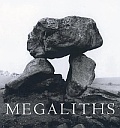
Megaliths in Britain's landscape: how they fit into the natural environment
Submitted by Andy_B on Tuesday, 20 February 2024 Page Views: 192
Resources
This article explores how megaliths fit into the British landscape and how their presence affects the perception and understanding of the natural environment. Even betzino casino gambling has examples of legendary slots that are dedicated to the theme of megaliths.
The historical context of megaliths in Britain
Research suggests that the first megalithic structures in Britain were erected in the Neolithic period, a period between 4000 and 2500 BC. This is the period in history when people began to shift from hunting and gathering to farming and herding, leading to permanent settlements and more complex social structures.Initially, megaliths were used as funerary monuments or places of worship, indicating the importance of the ritual and religious life of societies of the time. However, over time and with the development of social structures, megalithic structures acquired other functions such as meeting places, trading areas or even defensive structures.
The spread of megaliths across different regions of Britain also shows the diversity of cultures and traditions that existed in these lands. For example, circular megalithic structures such as Calanay can be found in Scotland, while alleys or corridor tombs are more common in southern England.
Megaliths and the natural landscape
Britain's megalithic structures are not only architectural marvels but also interact with the natural environment to create a harmonious and impressive amalgamation of human activity and natural beauty.Adaptation to the landscape: One of the most interesting features of megaliths in the British landscape is their adaptation to the natural environment. Megaliths have been installed to suit the geographical features of the regions in which they are located.
Impact on the landscape. Megalithic structures have influenced not only the appearance of the landscape but also its evolution. Over time, some megaliths have become a symbol of the area, attracting tourists and explorers and contributing to the development of tourism infrastructure in the regions where they are located.
Ecological significance. Megalithic structures now play a role in the ecosystems in which they are located. Some megaliths became habitats for various species of plants and animals, providing them with protection from wind and sun.
Thus megaliths are not only part of Britain's rich cultural heritage, but also play an important role in shaping and changing its natural landscape and ecosystems.