Langtang Valley vs. Langtang Gosaikunda Trek: Which One Should You Choose?
Submitted by Andy_B on Thursday, 01 January 2026 Page Views: 104
Resources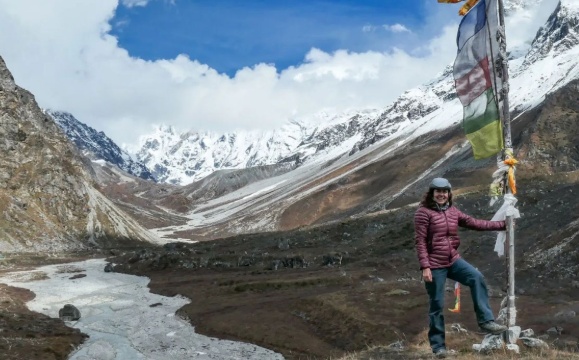 The Langtang region of Nepal is perfect if you are seeking adventurous treks. If you plan on traveling here, we present you with the top two options for you to choose from. These may sound similar, but they require completely different commitments.
Your first option is the Langtang Valley Trek. It is a journey that leads you to an exploration of a beautiful valley with glaciers. Another is the trek that combines the valley trek with the sacred intervention of the popular Gosainkunda Lake.
This is the Langtang Gosainkunda Trek.
It is crucial to know how one differs from another. This helps you to select an adventure that fits the category you are seeking. Do not stop reading to know which one matches your fitness, time, and trekking goals.
Way to the Langtang Valley Trek
This trek is linear in nature. You begin from the same point you will return at the end. From the trailhead of Syabrubesi, the route follows the opposite direction of Langtang Khola. Your hike proceeds through deep canyons and forests. Eventually, you arrive at the grassland of Kyanjin Gompa.You will few memorable days exploring the valley. Then, you turn around and retrace your steps back down to Syabrubesi. On your return, you will notice the landscape from a different perspective. This time, exhaustion isn’t troubling you. Noticing even minuscule details like the shape of a rock will be fascinating. For more on the Langtang Valley Trek see Section 3. on our other page.
Langtang Gosainkunda Trek’s route

The trajectory of this trek is not the same as that of the Langtang Valley Trek. This feels like a multi-staged journey. You start from the same entry point and arrive at Kyanjin Gompa. However, you have a different area of exit.
Upon your departure from Kyanjin, you stride off halfway to another direction. Instead of descending to the headstart, you pivot toward the village of Thulo Syabru. From here, you no longer follow the river stream. You climb up the valley hills to reach Gosainkunda Lake. The exit, ultimately, is performed from Dhunche or Sundarijal.
How much time commitment do you need?
Your Langtang Valley Trek needs five days for completion. Take a look at “5 Days Langtang Valley Trek Itinerary” to know how each day entails an exciting experience. It is best suited for those who want a comfortable trek, completed in under a week.On the other hand, the valley trek combined with Gosainkunda requires more than that. With Explorer Adventure’s Langtang Valley Gosainkunda Trekking package, your thorough journey takes 15 days for completion. This is perfect for those who want a moderate trek experience, encountering diverse nature, culture, and scenery.
The Difference in Elevation
Comparing these two itineraries, the altitude difference is drastic. The highest altitude you sleep at on the Langtang Valley Trek is at Kyanjin Gompa. Kyanjin Gompa lies at an elevation of 3,870m. Your daily hike might reach 4,600m or higher, but you return to a lower height to sleep.On the other hand, the combination trek pushes the altitude much higher. As you will sleep at Gosainkunda Lake, note that it’s situated at 4,380m. And, crossing the Lauribina Pass exposes you to an elevation of 4,610m. This demands significantly higher acclimatization capabilities from you.
What are the challenges of the Langtang Gosainkunda Trek?
The Langtang Gosainkunda Trek includes crossing Lauribina Pass. It introduces a difficulty level unprecedented in the standard Langtang Valley route. You cannot avoid extreme steepness. The pass is often windy and rocky. It is even possible that you may have to tackle the snow. This crossing is the culmination of physical endurance in the extended route.You have to maintain a mental fortitude with a level of determination that the valley floor does not demand. Along with that, you have to ascend thousands of stone steps on your way. The vertical climb can raise difficulty for your knees and quadriceps. Those who opt for the Langtang Valley Trek avoid this obstacle. They have a much gentler journey in comparison.
Scenery Comparision
As mentioned earlier, the combination trek feels like it has multiple stages. So, the visual experience will evolve significantly with every other stage. Whereas the other option offers you the green alpine part of the combination trek.The Langtang Valley is widely popular for its dense rhododendron forest, bamboo groves, and waterfalls. And, the Gosainkunda landscape does not consist of trees. It is dominated by grey rock, white snow, and deep turquoise lakes. This introduces you to a dramatic shift in the first half of your Langtang Gosainkunda trip.
The shift in habitat
As you move from the valley to the lakes, there is a cultural shift that you will notice. The Langtang Valley is populated with Tamang inhabitants. You will witness how they live an agricultural life daily.However, Gosainkunda is a pilgrimage zone. The lodges are seasonal here. This place is filled with tourists and pilgrims rather than villagers. You won't find permanent settlements here. With these together, you experience the domestic Tamang culture, along with the serene spirituality of the high-altitude holy site.
Best time for the Langtang Valley Trek
It is favourable to trek during Spring and Autumn in the Langtang Valley. The region vibrantly overflows with rhododendron forests in Spring. It is also the time when wildlife becomes active after winter hibernation.Furthermore, Autumn offers sharp visibility and dry trails. You will have a comfortable post-monsoon walk. Hence, the seasons from March to May and September to November welcome you with the most stable weather. These periods have mild temperatures and clear skies. Both seasons are perfect if you want unobstructed vistas as well.
Best time for the Langtang Gosainkunda Trek
Again, the best time for the combination trek is Spring and Autumn too. The visibility and stability in the weather are profoundly essential for crossing the Lauribina Pass. While Spring enhances the scenic beauty with blooming rhododendrons, Autumn makes sure you see the Himalayan peaks at their sharpest display.Moreover, winter indeed favours solitude. But, there is a high possibility of trail blockage due to huge snow accumulation. This raises the risk, discomfort, and failure in the trip. Additionally, the monsoon season raises difficulty in your trip with slippery paths and obscured visibility.
Suitability of the trek
The Langtang Trek is for those who want an experience of a moderately paced trek, emphasized by cultural richness. It is a beginner-friendly trek, making it a great starting point for your trekking journey. You will get to enjoy forest walks, interactions with locals, and sleeping at comfortable altitudes.Conversely, the Langtang Gosainkunda Trek is best suited for those longing for an adventure. It is an ideal choice if you have robust fitness, prior hiking experience, and want to explore different sides of the Langtang valley. If you want to challenge yourself with a pass crossing, sit peacefully on the shores of sacred lakes, pick this one.
Ultimately, it is all on you to choose. Just remember that both of these, despite distinct, reward you with an unforgettable experience. Hurry up and hop on.