



How to Take Beautiful Travel Photos
Submitted by Andy_B on Wednesday, 30 September 2020 Page Views: 246
Resources
Preparation
Read about your destination before heading out. What interesting places and objects are there? Where can you take pictures and where not? Where are the observation platforms? You don't have to think through your photo routes thoroughly, but it's good to know if a particular place is worth your visit.Capture scenes and stories
Don’t press the shutter button thoughtlessly. Imagine you are creating a photo story of your trip. Think about what your trip consists of: an airport or train station, hotel, food, walking, and meeting new people. The moments are important, not the details. Capture situations and interesting scenes. You can always find another view of the famous cathedral on the Internet. With a good enough photo you can start entering photo competitions and you might even win!Imagine you have come to a famous museum where a famous painting is located. Of course, there is a crowd of tourists near it. If you were an ordinary traveler, you would try to photograph the famous canvas making your way through people. It’s better to step aside and photograph the crowd or take a selfie in front of it. Capture the atmosphere rather than a famous painting considering that you can buy a shot of it at any local souvenir shop.
Photo tips
Here are some tips from the pros on how to take pictures: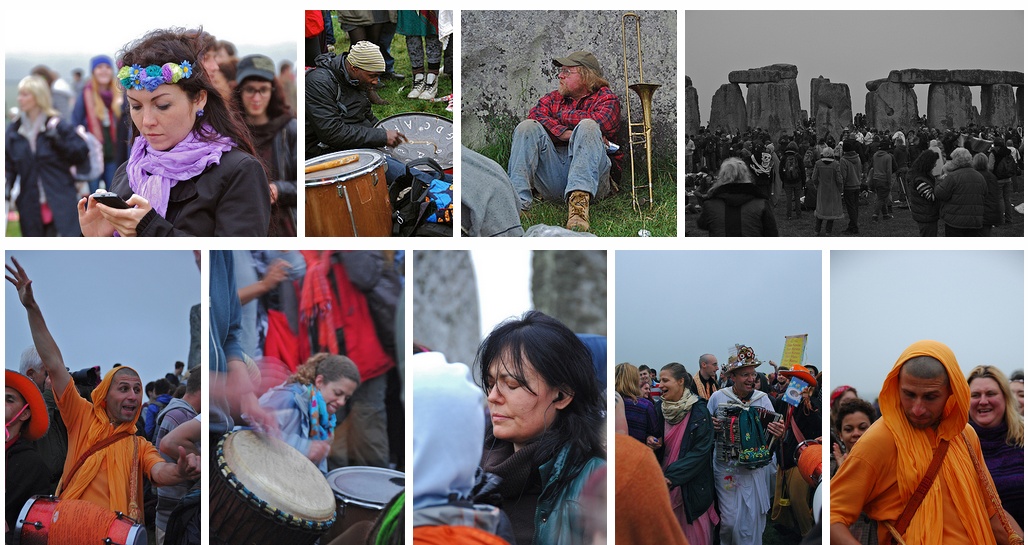
- Keep an eye on the horizon. Pay attention to the parallelism of the horizon line, it shouldn’t tilt even a few degrees.
- Rule of thirds. The horizon line should not run along the middle line of the image. It must be in the upper or lower third of the photo. If you are photographing a seascape, you need to choose what takes up most of the frame.
- Use a tripod to avoid camera shake. Alternatively, hold the camera with both hands and press your elbows firmly against your torso or lean against something.
- If you want to take a picture with your companion, use the self-timer and any pole or stand nearby.
- Change angles. For example, take pictures from above or below, climb stairs, shoot through windows and doors, use reflections, etc.
Post-processing
Choose a time when you can start processing your photo archive, remove unnecessary, and choose the best shots. Don't delay with this. Leave only high-quality images that have potential. Think about how you can improve the photo, for example, crop unnecessary or edit picture color. Different filters and settings can give different moods to photos.I hope this was helpful, with many thanks to Matthew Morrison and Robert Cawte for their kind help and support of this article, including their lovely photos.
