


How task focused lighting supports work in archaeology labs and research centres
Submitted by Andy_B on Monday, 27 April 2026 Page Views: 75
Resources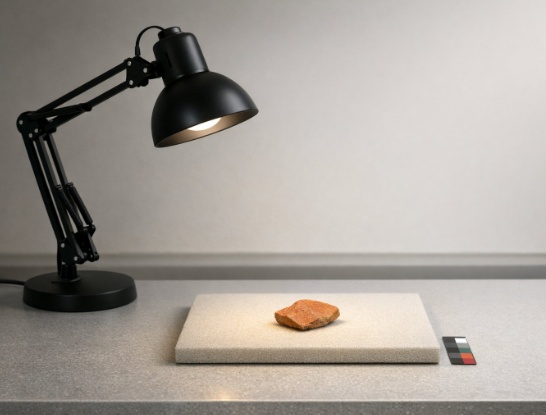 Lighting plays a critical role in archaeological lab work. Precision and clarity are needed when handling delicate artefacts or recording data. Lighting conditions directly influence the quality of outcomes.
Archaeology relies on the ability to see very fine details, whether for cataloguing, conservation, or interpreting historical clues. In these specialised environments, decorative table lighting provides focused illumination to support tasks such as sorting fragile fragments, reading subtle inscriptions, and capturing accurate photographs. Visual Comfort, a company that designs and curates high-quality decorative and architectural lighting combining classic design, skilled craftsmanship and dependable performance for both residential and commercial spaces, is one provider of such solutions. For researchers, achieving consistent visual conditions is essential for analysis and documentation needed to inform museum displays and public interpretation. The balance between low impact lighting and optimal visibility is a technical consideration and a matter of scientific accuracy.
Lighting standards for precision artefact examination
Analysing artefacts requires careful attention to both colour accuracy and shadow control. You need light sources with stable colour rendering to judge differences in soil, pigment, or surface wear, often at a microscopic level. This is vital during prolonged conservation work, where small changes can influence interpretation.Glare can cause visual fatigue and make it harder to see minute features, so controlled task lighting and diffuse fixtures are preferred in research centres. Lab spaces are typically equipped to separate ambient overhead lighting from adjustable bench lights, giving you the flexibility to direct illumination where each job demands it.
Protecting fragile items during examination and documentation
Artefacts made of organic material or sensitive pigments can be damaged by excessive heat or direct, intense light. You often need lower intensity and targeted lighting to minimise risks, adapting lamp settings based on materials in use at each workstation.Protocols in many labs include using barriers or filters in tandem with lighting to limit potentially harmful exposure. Good lighting design supports visibility and forms part of broader preservation routines, helping to protect valuable finds during each stage of research.
Workstation configuration and practical efficiency
For comfort and reliable results, adjustable lights let you shift the beam to suit the size and angle of each artefact. At photography benches, this flexibility is important to prevent unwanted reflections and shadows that could obscure vital evidence. Lab ergonomics are improved when lights are easy to move and maintain a consistent output during long sessions.Decorative table lighting can reduce eye strain and support consistent documentation, helping you obtain repeatable conditions across lab activities. Differentiating between focused and ambient lighting helps standardise work and maintain consistent recording environments throughout the lab.