


Gambling in Ancient Civilizations
Submitted by Andy_B on Monday, 20 April 2020 Page Views: 970
Resources
Where Did Playing Card Games Originate?
It is believed that playing card games first originated in China. The Chinese civilisation was the first to produce paper and this led to them coming up with the idea of introducing paper money. Not long after this, they learned how to shuffle their money and that is where the practice of shuffling cards was introduced.The most recognised game relating to China is keno. Keno consists of cards that have the numbers 1-80 written on them in squares. Players choose a set of numbers and the winning numbers are identified using a draw. Keno was believed to have first been played over 2,000 years ago by the Chinese and was initially called “white pigeon ticket”.
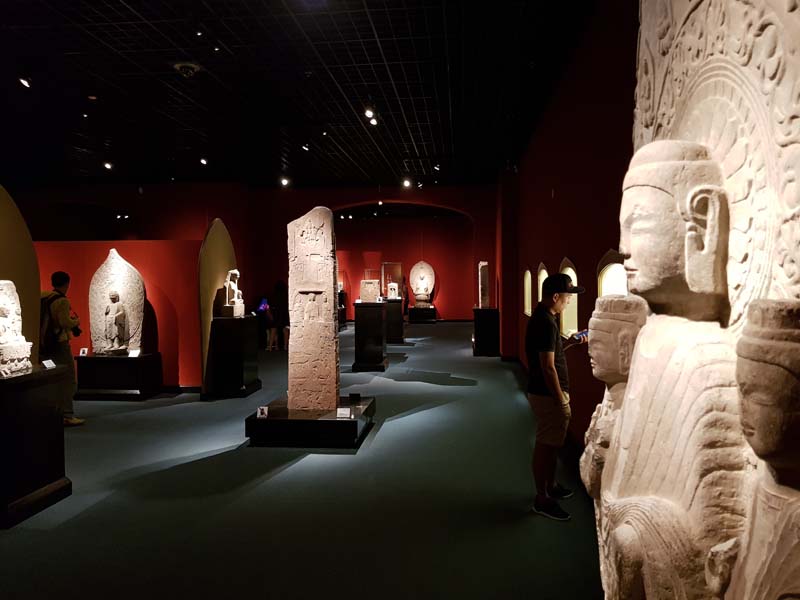 Around 900AD, China introduced card games that had pictures of humans printed on them. When Europeans saw this design, they copied it but altered it slightly to include Kings and Queens on the front. This design is still used in many modern decks today. Card games are still extremely popular of course, but they no longer have to be played at home. Many card games can be played in a casino online, and games like poker and blackjack are incredibly popular.
Photo right: Shanghai museum
Gambling in Greece
Gambling in ancient Greece was condemned, but that didn’t stop it from being an extremely popular form of entertainment. Many ancient Greek philosophers believed that gambling was like the plague. But like it or not, gambling had two gods on its side. The Greek Gods Pan (photo top left) and Hermes were extremely important figures in Greek mythology and they were both well-known for taking part in gambling. There are a number of other gods who are believed to have taken part in gambling too, including Hades, Poseidon, and Zeus.The two most popular games played by the ancient Greeks were heads & tails and checkers. Heads & tails were first played using a shell before changing to a coin. Checkers were known in ancient Greece as tilia or the game of 12 lines. There are still a number of Greek artefacts available today that show scenes of betting. Greeks also really enjoyed playing with dice. According to the evidence, the ancient Greeks used to play with three clay cubes until the Romans reduced the number to two.
The Native Americans
Recently, archaeologists discovered a cave in Utah that was believed to be an ancient casino built by Native Americans. It is believed that this cave was the first casino built on U.S. soil and the evidence suggests that it dates back to the 13th century. There were over 10,000 artefacts in the cave that could be connected to gambling, including carved sticks. These carved sticks could have been used as cane dice, which women would use to assign day to day tasks like sewing and meat preparation. However, men also took part in gambling activities such as placing bets on the outcome of the ladies’ gambling sessions.
Ancient Emperors and Gambling
Photo left: Emperor AugustusMany people believe that ancient emperors loved gambling. Emperor Augustus is one example of this. He is believed to have suffered a great deal from gambling losses and he was known as a tireless gambler who was close to having a gambling addiction. Emperor Commodus is another example of an Emperor who enjoyed gambling. Emperor Commodus is believed to have gone bankrupt from the sport on at least one occasion. Although we know that many ancient Emperors enjoyed gambling, we don’t have a lot of information about the types of gambling they enjoyed. Most likely, they were playing a game with dice, which was extremely popular at the time, or they were betting on outcomes of sports, fights, etc.
Gambling has been around for longer than we can imagine. It has changed considerably from the early days of carved sticks to more modern times of online casinos. How gambling will change in the future?
I hope this was interesting, with many thanks to Michael Eisenberg, Netbet, VII and Alex Hunger for their kind support and assistance with this article, including their lovely photos.