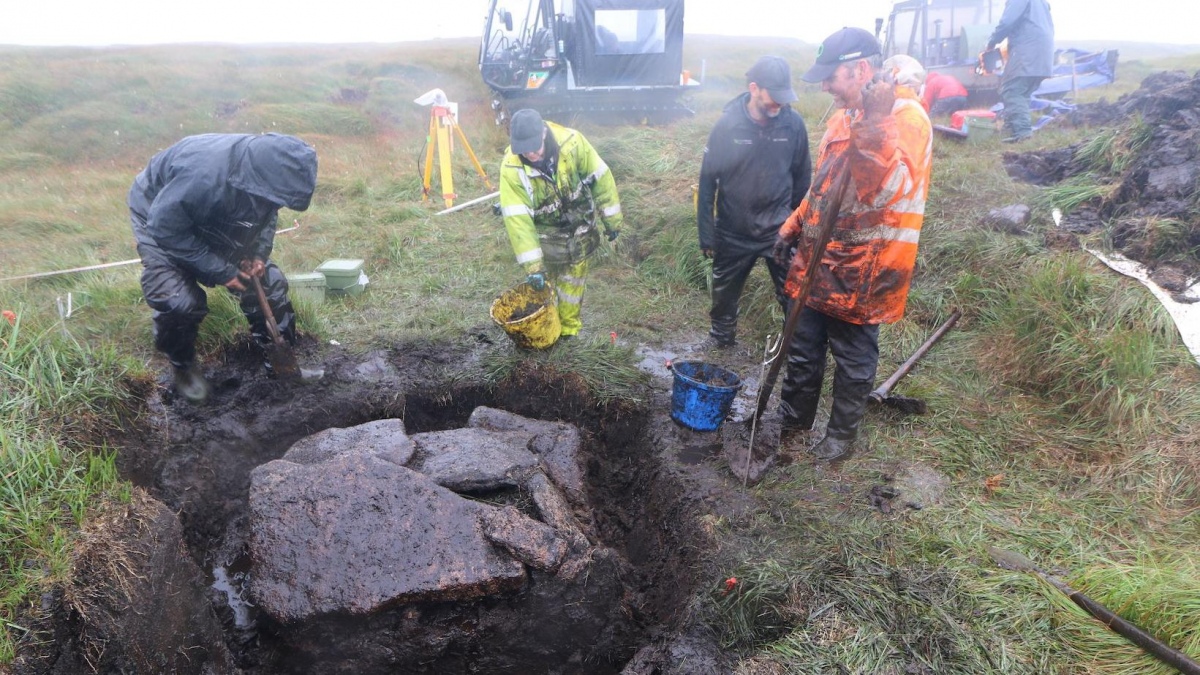
Cut Hill Cairn submitted by Dodomad : Archaeologists have unearthed a "stunning" Bronze Age cist on one of Dartmoor’s most isolated hills.
Experts discovered the stone-built box at Cut Hill during a three-day dig earlier this month.
Photo Credit: Alex Collyer (Vote or comment on this photo)
Community digs and other heritage projects tend to be paid for through a combination of grants, local donations and donated time, and each source comes with its own conditions. Planning the money alongside the fieldwork, step by step, keeps those conditions easy to meet and avoids surprises when the final report falls due.
Setting the Scope Before Asking for Money
Write a one-page outline covering the site, the question you want the dig to answer, who will take part and what you'll produce at the end. The same outline supplies most of what an application asks for, and it gives you something to return to when the budget has to be trimmed. Speak to the local authority archaeologist early, because permissions and standards affect the cost.
Budgeting and Funder Reporting
Funders look for a budget that covers the whole project, including later stages such as reporting, so price all of it before any application goes in. The main costs usually fall into these groups, and a rough figure for each is enough at the outline stage:
• Site supervision and specialist reports
• Insurance, welfare facilities and equipment hire
• Finds processing, dating and conservation
• Publication, printing and archive deposit
Groups in Bristol and the South West can ask a Bristol accountant and accountancy firm for help with bookkeeping and financial reporting, which keeps records accurate and makes the funders' income and spending summary easier to produce. A separate bank account for the project and receipts filed as money is spent keep that summary quick to assemble.
Finding the Right Funders
Small grants suit a first project, and specialist costs often have their own funds. Volunteer groups can apply to a radiocarbon dating fund for dates on their finds, and a separate fund has been announced for survey work. Match each cost line to the funder most likely to cover it instead of sending one large request to a single source.
Recording Work as the Dig Goes On
Notes written weeks after the dig tend to miss detail that the final report will need, so context sheets, finds registers, photographs and drawings are best updated each day on site. Give one volunteer responsibility for the finds register and another for the photographic log, and have the site supervisor check both before the team leaves.
Writing the Final Report
Since funders ask how the money was spent against the original budget, the report outline can start while the dig is running, with sections for background, methods, results, finds and what the work adds to local knowledge. Keep the figures from the accounts alongside the text, and let volunteers review a draft.
Archiving Finds and Records
Agree where the finds and records will go before the first trench opens, since museum storage space is limited in many areas and some museums no longer accept new archives. A letter from the receiving museum setting out its requirements lets you budget for boxes, labelling and any deposit fee. Finish by sending the report details to the local Historic Environment Record so other researchers can find the work.