


From Bones to Codes: How Humanity Turned Play into Art
Submitted by Andy_B on Wednesday, 05 November 2025 Page Views: 153
Resources From ancient rituals carved in stone to the glowing screens of modern life, play has always been a vital part of human culture. It has shaped relationships, inspired creativity, and reflected the spirit of its age. The history of play is not merely a tale of recreation but of cultural evolution – a record of how people have continually transformed leisure into a form of expression.
In every civilisation, games have mirrored the values and aspirations of their players. They revealed ideas of hierarchy, chance, imagination, and cooperation. What began with bones, sticks, and painted stones has evolved into virtual worlds powered by mathematics, logic, and code.
From Ritual to Recreation
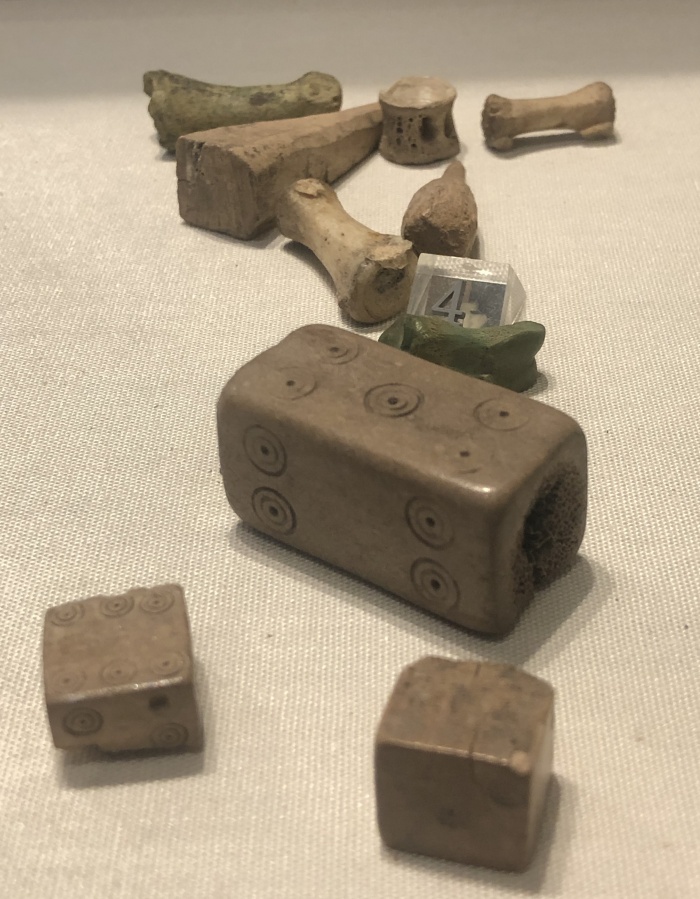
Archaeological evidence suggests that games have always carried deep symbolic meaning. Dice carved from bone, stone boards, and decorative counters were often found in temples and communal spaces. These were not simple diversions but instruments of ritual and communication.In ancient Egypt, Senet represented the passage of the soul through the afterlife. In Mesopotamia, board games reflected cosmic order and divine will. Across early societies, games functioned as metaphors for life and chance – ways to explore the balance between fate and choice.
As civilisation progressed, the sacred and the social began to separate. Play shifted from temple grounds to public gatherings. Skill and strategy replaced mysticism, and gaming became an art of intellect rather than a symbol of the divine.
The Birth of Strategy and Design
With the emergence of games such as chess in India and Go in China, play developed into a study of strategy, balance, and foresight. It became an exercise of the mind, fusing mathematics with philosophy.The physical beauty of these games – intricate carvings, hand-painted boards, and refined craftsmanship – demonstrated that play was already an art form. Each move carried meaning; each piece represented discipline and intellect.
 The Renaissance strengthened this connection. Games were seen as instruments of thought, combining geometry, logic, and design. The boundary between entertainment and art blurred, a transition that laid the foundation for the aesthetic dimension of modern play.
From Industry to Code – The Mechanisation of Leisure
The Industrial Revolution redefined leisure. As machines transformed production, they also influenced recreation. Mass manufacturing made toys, puzzles, and cards available to all social classes. Public spaces and parlour games emerged as vital parts of urban culture.By the early 20th century, play had entered the machine age. Pinball machines, arcades, and later video games turned entertainment into an interactive system. Electricity, design, and programming gave play new depth and reach.
Technology turned games into living systems. The player became an active participant, interacting with a structure capable of responding, adapting, and learning.
Modern platforms such as Boom Radio Bingo Casino embody this transition. They demonstrate how innovation can preserve the spirit of play while integrating the precision of technology. The impulse to experiment, compete, and imagine remains, even when expressed through code.
The Artistic Nature of Digital Play
The debate over whether games can be art has long since ended. In the digital era, creativity and technology coexist. Sound, movement, and design now serve as the materials of modern expression.Digital games combine narrative, architecture, and performance. They create spaces for emotion and reflection, much like painting or theatre once did. Designers and developers act as modern artists, crafting experiences that are both interactive and aesthetic.
Platforms such as https://boomradio-bingo.com/ showcase this artistic convergence. They blend sound design, motion graphics, and interface aesthetics to produce experiences that engage both logic and imagination. Each interaction becomes a small artistic act – an exchange between creator and participant.
Modern play is, at its heart, collaborative art. It merges the mathematical structure of algorithms with the human need for story, challenge, and meaning.
Cultural Reflections in Modern Gaming
Just as ancient games expressed belief and ritual, digital play reflects the dynamics of the contemporary world. It explores individuality, ethics, and choice. Many modern titles deal with philosophical or social themes – freedom, cooperation, and consequence. Games now mirror the complexity of modern society: fast, interconnected, and data-driven. Yet the core purpose remains unchanged – to create shared experiences and foster human connection. Whether in a local hall or on a digital platform such as Boom Radio Bingo Casino, the essence of play continues to unite people through curiosity and creativity.
Virtual environments have become the new social spaces. Players form communities that transcend geography, age, and language. The human instinct to play – to learn, test, and communicate – survives, even in virtual form.
From Player to Creator
The digital revolution has blurred the line between player and creator. Tools for game design, virtual world-building, and creative modification have given players the power to become artists themselves.This democratisation of creativity echoes the collective nature of early play. In ancient societies, games evolved communally – rules, tools, and customs passed from person to person. Today, digital communities continue that tradition, shaping and reshaping their virtual worlds together.
Modern creativity in gaming is no longer confined to professional studios. It thrives in collaboration, innovation, and the shared joy of invention.
The Future of Play as Art
As technology continues to develop, the future of play will rest on personalisation and immersion. Artificial intelligence, virtual reality, and augmented environments will create experiences that adapt to emotion, reaction, and choice.Yet beneath this innovation lies an ancient purpose. Play remains humanity’s way of exploring existence – testing limits, discovering patterns, and finding beauty in uncertainty.
Platforms like Boom Radio Bingo Casino symbolise this continuity. They bring together tradition and technology, offering spaces where design, chance, and emotion intersect. The essence of gaming has not changed; only its form has evolved.
From carved bones to binary code, play has always been the art of imagination. It transforms tools into meaning, repetition into rhythm, and competition into creation. The story of play is the story of humanity itself – forever seeking, learning, and turning experience into art. Please gamble responsibly.