


From Ancient Stones to Digital Play: What iGaming Can Learn from the Past
Submitted by Andy_B on Monday, 25 May 2026 Page Views: 92
Resources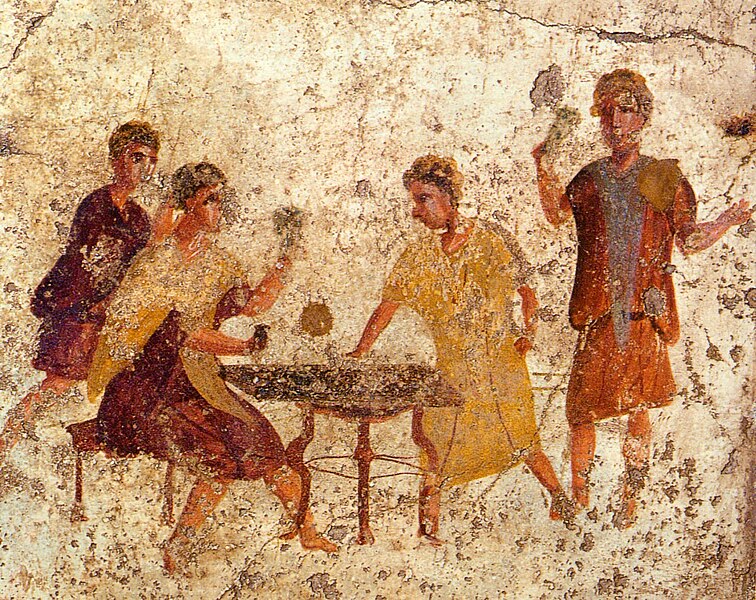
While today’s iGaming industry may seem far removed from stone circles, burial mounds, and prehistoric landscapes, there is a surprisingly strong connection between the old and the new: both reveal how humans use systems, symbols, and shared experiences to create meaning.
Play Has Always Been Part of Human Culture
Archaeology often reminds us that people in the distant past were not so different from us. They made tools, told stories, travelled, traded, competed, and built places that brought communities together. Many ancient sites appear to have served more than one purpose. They may have been ceremonial, social, astronomical, or territorial, depending on the culture and period.In the same way, modern digital entertainment spaces are rarely about one simple action. They combine design, technology, psychology, storytelling, and social participation. What has changed is the format. The human interest in play, symbols, and shared experience remains familiar.
Chance, Ritual, and the Appeal of Uncertainty
Games of chance have a particularly long history. Dice-like objects, marked bones, gaming boards, and counting pieces have been found in many parts of the world. Some were used for recreation, while others may have had a ritual or divinatory function.The boundary between play and belief was often fluid. A cast object could decide a game, but it could also be read as a sign. This idea of uncertainty has always fascinated people. Whether someone was casting lots in an ancient setting or spinning a digital wheel today, the emotional pull often comes from the same place: anticipation.
Why Ancient Themes Still Work in Digital Games
The use of ancient and mythological themes in online games is not accidental. Megaliths, temples, lost cities, runes, sacred animals, and celestial symbols regularly appear in digital entertainment because they carry a sense of mystery. These images suggest depth, discovery, and hidden knowledge.For players, they can turn a simple game mechanic into a journey. For designers, they offer a rich visual language that is already loaded with atmosphere. A prehistoric-inspired setting, for example, can use stone circles, solstice light, carved patterns, natural landscapes, and ritual symbols to create a world that feels memorable.
Using Heritage Themes Responsibly
Using historical or archaeological themes comes with responsibility. Ancient cultures should not be treated only as decorative material. The most thoughtful game concepts take inspiration from the past without flattening it into cliché.A slot or casino-style game inspired by prehistoric landscapes, for example, can use stone circles, seasonal alignments, ancient pathways, and natural materials in a respectful way. It does not need to claim historical accuracy, but it should avoid turning living heritage, sacred traditions, or complex cultures into careless fantasy.
The Technology Behind Modern iGaming Experiences
Technology is changing how these themes are created. Developers can now use advanced graphics, behavioural data, localisation tools, and mobile-first design to build experiences for different audiences.An iGaming technology provider may work behind the scenes to support the platforms, payment systems, security features, game integrations, and user journeys that make these digital environments possible. Around that technology, creative teams can build themes that feel immersive, whether they are inspired by mythology, adventure, history, or ancient landscapes.
Hidden Systems Matter as Much as Visible Design
The player usually sees the artwork, sounds, bonuses, and game flow. They may not think about the technical systems that support fairness, loading speed, account protection, responsible gaming tools, or cross-device performance. Yet those hidden systems are essential.In a way, they are like the foundations beneath an ancient monument. Visitors may focus on the standing stones, but the placement, engineering, and landscape context are what give the site its lasting power. Likewise, a digital gaming platform depends on systems that are mostly invisible but deeply important.
Navigation, Trust, and the Player Journey
There is another parallel between ancient places and digital gaming: navigation. Megalithic landscapes often invite movement. People approach, circle, align, gather, and observe. The route matters.In digital spaces, the journey also matters. A player lands on a homepage, chooses a game, reads terms, manages payments, explores promotions, and returns to familiar areas. Good design makes this movement intuitive. Poor design breaks the atmosphere and weakens trust.
Trust is equally central. Archaeological sites depend on careful documentation, preservation, and interpretation. Without trust, the visitor cannot know whether the information they receive is reliable. In iGaming, players need clear terms, visible licensing information, secure payments, responsible gambling features, and transparent communication.
Could iGaming Become More Culturally Layered?
The future of iGaming may become more educational and culturally layered. Digital tools are already used in museums, heritage mapping, virtual reconstructions, and interactive storytelling. There is no reason gaming cannot learn from these approaches.A game inspired by ancient monuments could include optional background notes, respectful visual references, or design choices based on real architectural forms. This would not turn entertainment into a history lesson, but it could make the experience richer and more distinctive.
From Stones to Screens
For readers interested in ancient places, the rise of iGaming may seem like a very modern subject. Yet beneath the technology are old human patterns: gathering, risk, reward, symbol, story, and chance. From carved stones to coded platforms, people continue to create spaces where imagination and uncertainty meet.The tools have changed, but the fascination remains familiar. Ancient communities looked to stones, stars, and signs to understand their world. Modern players look to screens, symbols, and systems for entertainment. Between the two is a long human story about play, meaning, and the enduring appeal of the unknown.
Always gamble responsibly.
